Imagine living in a home where every room feels consistently comfortable throughout the year. The temperature remains stable, the air feels balanced, and your heating or cooling system does not have to constantly run just to keep things comfortable. Many homeowners assume this kind of efficiency comes only from advanced heating or cooling systems, yet the real key often lies in the home’s structure itself.
Insulation plays a powerful role in controlling how heat moves in and out of a building. When insulation is properly installed, it creates a barrier that slows heat transfer and keeps indoor spaces comfortable regardless of outdoor conditions. However, achieving this level of performance requires more than simply adding insulation materials. Proper planning, correct placement, and professional installation are all essential. This is where Houston Insulation Contractors become important. These professionals specialize in evaluating insulation needs, selecting appropriate materials, and installing insulation in a way that supports long term comfort and efficiency. Understanding what insulation contractors do and why their work matters can help homeowners make informed decisions about improving their homes.
What Insulation Contractors Do
Insulation contractors focus on improving the thermal performance of buildings by installing materials that resist heat transfer. Their work involves identifying areas where heat may enter or escape and placing insulation in those locations to create a more stable indoor environment.
Most homes contain several areas where insulation plays a critical role. These areas include attics, exterior walls, crawl spaces, ceilings, and floors. Insulation contractors evaluate each of these spaces to determine how well the current insulation is performing.
If insulation is missing, damaged, or insufficient, contractors recommend solutions that restore or improve thermal protection. This may involve adding new insulation, replacing older materials, or sealing gaps where air can move through the structure.
Insulation contractors also consider factors such as airflow, moisture control, and building structure when designing insulation solutions. By addressing these elements together, they help ensure that insulation performs effectively throughout the home.
Why Professional Insulation Installation Is Important
Many homeowners may consider insulation to be a simple addition to a home, yet proper installation requires knowledge and attention to detail. Insulation materials must be placed carefully to ensure that they cover the entire area without leaving gaps or compressed sections.
Professional insulation contractors understand how different materials behave and how they should be installed. For example, insulation must maintain a specific thickness to achieve its intended thermal resistance. If insulation becomes compressed or uneven, it may lose much of its insulating capability.
Air leakage is another issue that professionals address during installation. Small openings around wiring, plumbing, and structural joints can allow air to move through walls and ceilings. Contractors often seal these openings before installing insulation to prevent unwanted airflow.
Proper installation also helps prevent moisture related problems. Insulation that is installed incorrectly may trap moisture, which can lead to structural issues over time. Professional contractors ensure that insulation supports both thermal performance and moisture control.
Types of Insulation Materials Used by Contractors
Insulation contractors work with several types of insulation materials depending on the needs of the building. Each material offers different benefits and is suited for specific applications.
Fiberglass insulation is one of the most commonly used materials in residential construction. It is made from fine glass fibers that trap air and create resistance to heat transfer. Fiberglass insulation is often installed between framing components in walls and ceilings.
Cellulose insulation is another widely used material. It is typically made from recycled paper products treated with fire resistant compounds. Cellulose insulation can be distributed into cavities to fill irregular spaces and create a dense insulating layer.
Foam insulation is used in areas where air sealing is especially important. When applied, foam expands and fills small cracks and openings within the structure. This expansion creates both insulation and an air barrier.
Mineral based insulation materials are also used in certain applications. These materials offer strong resistance to heat and can contribute to improved fire protection.
Contractors evaluate the structure and needs of the home to determine which insulation material will provide the best results.
The Insulation Inspection Process
Before beginning any insulation project, contractors usually conduct a detailed inspection of the home. This inspection helps identify areas where insulation improvements are needed.
During the inspection contractors may check attic spaces, wall cavities, crawl spaces, and other structural areas. They evaluate the condition and thickness of existing insulation and look for signs of heat loss or air leakage.
In many cases older insulation may have settled over time. When insulation settles, it becomes thinner and less effective at slowing heat transfer. Contractors may recommend adding new insulation to restore proper coverage.
Moisture issues are also evaluated during the inspection process. Insulation that has been exposed to moisture may lose its effectiveness and may need to be replaced.
This assessment stage provides valuable information that guides the insulation project and ensures that improvements address the most important areas of the home.
The Insulation Installation Process
Once the inspection is complete and the appropriate insulation materials have been selected, the installation process begins. Contractors prepare the area to ensure that insulation can be installed safely and effectively.
Preparation often includes sealing air leaks around structural openings. Areas where wiring, plumbing, or ventilation systems pass through walls or ceilings may allow air to move freely. Sealing these gaps helps improve insulation performance.
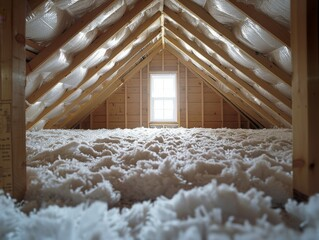
After preparation the insulation material is installed in the designated spaces. In attics insulation may be spread across the attic floor to create a thick protective layer. In walls insulation is placed between framing components to reduce heat transfer through the structure.
When loose insulation materials are used, specialized equipment may distribute the material evenly throughout the space. This ensures consistent coverage and helps eliminate empty areas.
Throughout the installation contractors carefully monitor insulation thickness and placement. Proper installation ensures that the insulation forms a continuous barrier that supports stable indoor temperatures.
Benefits of Hiring Experienced Insulation Contractors
Working with experienced insulation contractors offers several advantages for homeowners. One of the most important benefits is improved indoor comfort. Properly installed insulation helps maintain consistent temperatures throughout the home.
Energy efficiency is another significant advantage. When insulation effectively slows heat transfer, heating and cooling systems require less effort to maintain comfortable conditions. This can reduce energy consumption and improve overall system performance.
Professional installation also reduces the risk of common insulation problems. Gaps, uneven coverage, and poor air sealing can significantly reduce insulation effectiveness. Contractors are trained to avoid these issues through careful planning and installation.
Another benefit involves long term durability. Insulation that is installed correctly is more likely to remain stable within walls and ceilings, allowing it to perform effectively for many years.
These advantages make professional insulation services a valuable investment for homeowners seeking improved comfort and efficiency.
Long Term Impact of Quality Insulation Work
High quality insulation installation can have a lasting impact on the performance of a home. When insulation works as intended, indoor temperatures remain stable and comfortable throughout different seasons.
Heating and cooling systems benefit from this stability because they do not need to operate as frequently to maintain the desired temperature. Reduced system strain can support longer equipment life and more reliable performance.
Insulation also helps protect building materials from temperature related stress. By slowing heat transfer, insulation reduces the expansion and contraction that can occur within structural components.
Noise reduction is another long term advantage. Insulation materials absorb sound vibrations, which can reduce noise from outside sources and between rooms.
Together these benefits contribute to a more comfortable and efficient living environment that lasts for many years.
Conclusion
Insulation contractors play an essential role in improving the comfort and efficiency of residential buildings. Their expertise allows them to identify insulation issues, select appropriate materials, and install insulation in a way that maximizes performance.
By addressing heat transfer, air leakage, and moisture concerns, these professionals help create a stable indoor environment that supports long term comfort. Proper insulation installation improves energy efficiency, reduces strain on heating and cooling systems, and enhances the overall performance of the home.
For homeowners seeking to improve their living space, working with experienced insulation contractors can provide lasting benefits that extend well beyond the installation process.