
Power Wash: The Complete Guide to Restoring Surfaces and Boosting Curb Appeal

Power Wash

There is something deeply satisfying about watching years of dirt and grime disappear in seconds. A dull driveway suddenly looks bright again, a weathered wall regains its original color, and surfaces that once seemed beyond repair come back to life. Power washing has become one of the most effective and efficient ways to clean and restore a wide range of surfaces, making it a valuable tool for both maintenance and transformation.

Power washing, also known as pressure washing, uses high pressure water to remove dirt, mold, mildew, and other contaminants from surfaces. It is widely used in residential, commercial, and industrial settings because of its ability to deliver fast and noticeable results. Understanding how Windsor Power Wash works and when to use it can help maintain the appearance and longevity of different materials.

Understanding How Power Washing Works

Power washing relies on a high pressure stream of water to break down and remove stubborn debris from surfaces. The equipment typically includes a motor that powers a pump, which increases the pressure of the water before it is released through a nozzle.

The pressure level can be adjusted depending on the type of surface being cleaned. Softer surfaces require lower pressure to avoid damage, while harder surfaces can handle higher levels of force. This flexibility allows power washing to be used in a variety of applications.

Some systems also incorporate heated water, which can improve cleaning effectiveness by breaking down grease and tough stains more easily. The combination of pressure and temperature makes power washing a powerful cleaning method that goes beyond what traditional cleaning techniques can achieve.

Common Surfaces That Benefit From Power Washing

Power washing is suitable for many types of surfaces, making it a versatile cleaning solution. Driveways and sidewalks are among the most common areas treated with power washing. These surfaces often accumulate dirt, oil stains, and debris that can be difficult to remove by hand.

Exterior walls and siding also benefit from this process. Over time, exposure to the elements can cause buildup of dust, mold, and mildew. Power washing helps restore the original appearance and prevents long term damage.

Decks and patios are another key application. Wooden and concrete surfaces can become discolored and slippery due to moisture and organic growth. Cleaning these areas improves both appearance and safety.

Fences, roofs, and outdoor furniture can also be cleaned using power washing techniques. Each surface requires the appropriate pressure and method to ensure effective cleaning without causing harm.

The Difference Between Power Washing and Pressure Washing

While the terms are often used interchangeably, there is a slight difference between power washing and pressure washing. The main distinction lies in the use of heated water.

Power washing typically uses hot water, which is effective for removing grease, oil, and heavy stains. The heat helps break down substances that may not respond well to cold water alone.

Pressure washing, on the other hand, uses high pressure water without heat. It is still effective for general cleaning tasks and is commonly used for residential applications.

Understanding this difference can help determine which method is best suited for a specific cleaning task. In many cases, both approaches can achieve excellent results when used correctly.

Benefits of Regular Power Washing

Regular power washing offers several benefits that go beyond surface level cleaning. One of the most noticeable advantages is improved appearance. Clean surfaces enhance the overall look of a property and create a more welcoming environment.

Another important benefit is the prevention of damage. Mold, mildew, and algae can cause deterioration over time if left untreated. Removing these contaminants helps protect surfaces and extend their lifespan.

Power washing also contributes to health and safety. Slippery surfaces caused by algae or buildup can increase the risk of accidents. Cleaning these areas reduces hazards and creates a safer environment.

In addition, maintaining clean surfaces can increase property value. A well maintained exterior reflects care and attention, which can be appealing to visitors or potential buyers.

Choosing the Right Pressure and Technique

Using the correct pressure and technique is essential for effective and safe power washing. Different materials require different approaches to avoid damage.

Hard surfaces such as concrete and stone can handle higher pressure levels, allowing for deep cleaning of stubborn stains. Softer materials, such as wood or painted surfaces, require lower pressure to prevent chipping or erosion.

The choice of nozzle also affects the outcome. Narrow nozzles produce a more concentrated stream, while wider nozzles distribute the pressure over a larger area. Selecting the appropriate nozzle helps achieve the desired results.

Proper technique involves maintaining a consistent distance from the surface and moving the spray evenly. This prevents uneven cleaning and reduces the risk of damage.

Understanding these factors ensures that power washing is both effective and safe.

Environmental Considerations and Water Usage

Power washing can have an environmental impact if not managed properly. Water usage and runoff are important factors to consider during the cleaning process.

Using eco friendly cleaning solutions can help minimize environmental harm. These solutions are designed to break down contaminants without introducing harmful chemicals into the surrounding area.

Managing runoff is also important, especially when cleaning areas with oil or chemical residue. Proper disposal methods help prevent contamination of nearby soil and water sources.

Efficient use of water can reduce waste while still achieving effective cleaning. Adjusting pressure levels and using the right equipment can make the process more sustainable.

By taking these considerations into account, power washing can be performed in a responsible and environmentally conscious manner.

When to Schedule Power Washing

Timing plays a role in the effectiveness of power washing. Regular maintenance schedules help keep surfaces clean and prevent buildup from becoming difficult to remove.

Seasonal cleaning is a common approach. Many people choose to power wash in the spring or early summer to remove dirt accumulated during colder months. This prepares surfaces for increased outdoor use.

After storms or heavy weather, power washing can help remove debris and restore surfaces. It is also useful before painting or refinishing, as it creates a clean base for new materials.

The frequency of power washing depends on factors such as location, weather conditions, and the type of surface. Regular assessment of surfaces can help determine when cleaning is needed.

Final Thoughts

Power washing is a powerful and efficient method for maintaining and restoring a wide range of surfaces. Its ability to remove dirt, stains, and contaminants quickly makes it an essential tool for both residential and commercial care.

By understanding how power washing works and applying the right techniques, it is possible to achieve impressive results while protecting surfaces from damage. Regular maintenance not only enhances appearance but also extends the life of materials and improves safety.

Whether used for routine cleaning or major restoration, power washing offers a practical solution that combines effectiveness with convenience. With proper care and attention, it can help keep spaces looking clean, fresh, and well maintained for years to come.

Roof Repair for Tile and Shingle Roofs

roofers

Tile roofs require more precise handling and higher labor rates that affect repair prices. They also need regular inspections and maintenance to avoid extensive damage that requires more costly repairs in the future.

Small cracks on tile surfaces respond well to roofing adhesive, but extensive damage or large surface areas may need replacement tiles. Regular roof inspections can catch these problems early so that leaks don’t occur. Contact West Seattle Roofing for more details.

Tile Repair

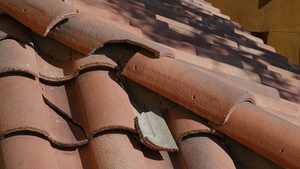
Tile roofs are beautiful and durable, but they aren’t immune to damage. Like any roofing material, they need proper care to protect the integrity of the structure and minimize water infiltration. The type of repair required, however, depends on the roof’s age and location. Tile repairs tend to cost more than shingle repair jobs because the materials and labor are more specialized. The extent of the damage and other factors also affect the final cost of repair.

Common issues with tile roofs include cracked or broken tiles from impact or heavy weather, loose or slipped tiles from poor installation or shifting over time, and leaks from moisture infiltration. In addition, moss and algae growth can create slippery conditions or damage the tiles below. Repairing these problems promptly protects the roof from further damage and prevents water infiltration.

To repair cracked or damaged tiles, first clean the area and remove any debris such as leaves or twigs that may have collected. Then, apply a waterproof sealant to the entire surface. For a small crack, use a roofing adhesive to connect the edges of the damaged tile, making sure they’re securely joined. If the crack is too large for a filler, replace the tile with a new one. Position the new tile carefully, then secure it with roofing adhesive or caulking.

Like tile, shingle roofs are vulnerable to the same types of damage, but they can experience more frequent repairs because the materials break down faster due to weather and sun exposure. Fortunately, the lifespan of shingles is longer than tile roofs, so the repairs can be less expensive overall.

Regular maintenance of a shingle roof includes cleaning gutters to prevent clogs and keep water from backing up under the shingles, trimming back tree limbs that hang over the roof to reduce debris buildup and impact damage, and scheduling regular inspections with a qualified roofing contractor to identify minor issues before they become serious. Inspecting the roof after every storm is important, along with addressing any underlying issues that might contribute to water infiltration or structural damage.

Shingle Repair

Like tile, shingle roofs are susceptible to damage and must be repaired. However, shingle repairs tend to be less costly than tile. This is due to a combination of factors, including the type of roof, materials, and geographic location. Additionally, tile is heavier and requires a strong roof structure, while shingles are manufactured from cost-effective asphalt and fit more home styles.

Shingles are more likely to show wear in small ways, such as curling from heat or moisture. These issues can be addressed by applying a coating to prevent further deterioration. The most common shingle repair is replacing damaged or missing shingles. If left unchecked, these small issues can lead to leaks and other structural problems.

The best way to identify shingle damage is by conducting regular roof inspections, at least twice a year, preferably in spring and fall. These inspections can help spot bald spots, missing shingles, and other potential issues before they become more serious. Before attempting any roof repair, make sure the ladder is stable and that you’re working in safe conditions. If the roof is accessible, carefully lift the surrounding shingles with a pry bar and remove any nails that hold the damaged shingle in place.

Cracking, tearing, or blistering shingles are more serious problems that may require roof replacement. These issues are often caused by extreme weather events or aging, but they can also result from improper installation or excessive heat exposure. If you see shingles that are in this condition, contact a professional for an estimate on replacement costs.

A shingle roof can also become loose or damaged by tree branches and debris, making it more prone to leaks and other structural problems. This is why it’s important to regularly trim overhanging branches and keep your gutters clear. In addition, a well-ventilated attic and properly functioning skylights can also improve shingle durability. The most important thing is to act quickly when you notice any roof damage or signs of deterioration. This can help you save money, avoid structural problems, and extend the life of your roof.

Flashing Repair

The flashing on a tile roof is a crucial part of the protection system. It seals the gap between the tiles and the underlayment, preventing water leaks. Regular inspection and maintenance of the flashing can extend its lifespan, reducing future repair costs and preventing water damage to the home below.

Tiles themselves may break or crack due to a variety of reasons, such as heavy rains or wind-driven debris. These issues often require the attention of a professional. If the extent of the damage is extensive or the roof requires structural repair, it will likely be more cost-effective to hire a roofing contractor for a full inspection and complete repair.

To determine if a cracked tile can be repaired with adhesive or needs replacement, carefully lift the surrounding tiles to access the damaged area. If the crack is small and isolated, it may respond well to a coating of adhesive; however, deeper surface cracks or multiple broken tiles will need to be replaced. Once the cracked tile is removed, clean the area thoroughly to remove dirt, dust, and any remaining adhesive. Then, apply a liberal coat of roofing cement over the affected area and press it firmly in place. Use a trowel to smooth out any excess cement for a seamless finish. Allow to dry before inspecting your work.

It is important to inspect a tile roof at least twice a year for any signs of damage or deterioration. During these visual inspections, look for loose or missing tiles, cracks in the grout, and damaged or corroded flashing. You should also check that the roof is draining properly and that gutters are free of debris and obstructions.

It is common for vents to become dislodged or cracked over time, allowing water to seep into the roof and cause damage. If your tile roof has a damaged or deteriorated vent, it’s important to replace it promptly to prevent leaks. To do this, first remove any debris that has accumulated around the vent. Then, carefully re-secure or replace the vent and apply a waterproof caulking to create an extra layer of defense against water penetration.

Underlayment Repair

While shingles and tiles may be the most visible components of roofs, the layer beneath them, known as underlayment, is vital to longevity. Underlayment protects the roof structure from moisture penetration, which is especially critical in Severance, where extreme summer heat and daily temperature fluctuations can stress materials and create leaks. Extending the life of a tile or shingle roof hinges on two key practices: the right type of underlayment and precise installation. The underlayment’s courses should overlap sufficiently, creating a seamless barrier impenetrable by water; this meticulous approach to installation is non-negotiable.

It’s also essential to perform routine inspections and address any deterioration or wear before it leads to costly water damage in the future. Performing tile roof repairs promptly can save homeowners from expensive and disruptive leaks.

Repairing damaged or dislodged tile is a simple process, though there are some crucial factors to keep in mind. The first step is to inspect the roof and look for warning signs like brittleness, tears, and water stains. The next step is to clean the area and apply roofing cement. Finally, place the replacement tile in place, ensuring it aligns with its neighbors and doesn’t cover any cracks or holes.

Another critical part of the repair process is to caulk around roof penetrations, such as vents. This helps prevent leaks that can occur when the sealant deteriorates over time. Start by cleaning the area around the vent and removing any dirt or debris. Then, apply a generous coat of caulking to the surface and smooth it out using a putty knife or caulk gun.

In addition to a thorough inspection and timely repair, a comprehensive tile roof maintenance plan includes cleaning, regular maintenance, and professional repairs. By taking the proper precautions and enlisting help from knowledgeable professionals, homeowners can ensure their roof is in good shape to withstand the challenges of Severance’s weather.

Insulation Contractors Guide: Why Professional Insulation Installation Matters for Your Home

Insulation

Imagine living in a home where every room feels consistently comfortable throughout the year. The temperature remains stable, the air feels balanced, and your heating or cooling system does not have to constantly run just to keep things comfortable. Many homeowners assume this kind of efficiency comes only from advanced heating or cooling systems, yet the real key often lies in the home’s structure itself.

Insulation plays a powerful role in controlling how heat moves in and out of a building. When insulation is properly installed, it creates a barrier that slows heat transfer and keeps indoor spaces comfortable regardless of outdoor conditions. However, achieving this level of performance requires more than simply adding insulation materials. Proper planning, correct placement, and professional installation are all essential. This is where Houston Insulation Contractors become important. These professionals specialize in evaluating insulation needs, selecting appropriate materials, and installing insulation in a way that supports long term comfort and efficiency. Understanding what insulation contractors do and why their work matters can help homeowners make informed decisions about improving their homes.

What Insulation Contractors Do

Insulation contractors focus on improving the thermal performance of buildings by installing materials that resist heat transfer. Their work involves identifying areas where heat may enter or escape and placing insulation in those locations to create a more stable indoor environment.

Most homes contain several areas where insulation plays a critical role. These areas include attics, exterior walls, crawl spaces, ceilings, and floors. Insulation contractors evaluate each of these spaces to determine how well the current insulation is performing.

If insulation is missing, damaged, or insufficient, contractors recommend solutions that restore or improve thermal protection. This may involve adding new insulation, replacing older materials, or sealing gaps where air can move through the structure.

Insulation contractors also consider factors such as airflow, moisture control, and building structure when designing insulation solutions. By addressing these elements together, they help ensure that insulation performs effectively throughout the home.

Why Professional Insulation Installation Is Important

Many homeowners may consider insulation to be a simple addition to a home, yet proper installation requires knowledge and attention to detail. Insulation materials must be placed carefully to ensure that they cover the entire area without leaving gaps or compressed sections.

Professional insulation contractors understand how different materials behave and how they should be installed. For example, insulation must maintain a specific thickness to achieve its intended thermal resistance. If insulation becomes compressed or uneven, it may lose much of its insulating capability.

Air leakage is another issue that professionals address during installation. Small openings around wiring, plumbing, and structural joints can allow air to move through walls and ceilings. Contractors often seal these openings before installing insulation to prevent unwanted airflow.

Proper installation also helps prevent moisture related problems. Insulation that is installed incorrectly may trap moisture, which can lead to structural issues over time. Professional contractors ensure that insulation supports both thermal performance and moisture control.

Types of Insulation Materials Used by Contractors

Insulation contractors work with several types of insulation materials depending on the needs of the building. Each material offers different benefits and is suited for specific applications.

Fiberglass insulation is one of the most commonly used materials in residential construction. It is made from fine glass fibers that trap air and create resistance to heat transfer. Fiberglass insulation is often installed between framing components in walls and ceilings.

Cellulose insulation is another widely used material. It is typically made from recycled paper products treated with fire resistant compounds. Cellulose insulation can be distributed into cavities to fill irregular spaces and create a dense insulating layer.

Foam insulation is used in areas where air sealing is especially important. When applied, foam expands and fills small cracks and openings within the structure. This expansion creates both insulation and an air barrier.

Mineral based insulation materials are also used in certain applications. These materials offer strong resistance to heat and can contribute to improved fire protection.

Contractors evaluate the structure and needs of the home to determine which insulation material will provide the best results.

The Insulation Inspection Process

Before beginning any insulation project, contractors usually conduct a detailed inspection of the home. This inspection helps identify areas where insulation improvements are needed.

During the inspection contractors may check attic spaces, wall cavities, crawl spaces, and other structural areas. They evaluate the condition and thickness of existing insulation and look for signs of heat loss or air leakage.

In many cases older insulation may have settled over time. When insulation settles, it becomes thinner and less effective at slowing heat transfer. Contractors may recommend adding new insulation to restore proper coverage.

Moisture issues are also evaluated during the inspection process. Insulation that has been exposed to moisture may lose its effectiveness and may need to be replaced.

This assessment stage provides valuable information that guides the insulation project and ensures that improvements address the most important areas of the home.

The Insulation Installation Process

Once the inspection is complete and the appropriate insulation materials have been selected, the installation process begins. Contractors prepare the area to ensure that insulation can be installed safely and effectively.

Preparation often includes sealing air leaks around structural openings. Areas where wiring, plumbing, or ventilation systems pass through walls or ceilings may allow air to move freely. Sealing these gaps helps improve insulation performance.

After preparation the insulation material is installed in the designated spaces. In attics insulation may be spread across the attic floor to create a thick protective layer. In walls insulation is placed between framing components to reduce heat transfer through the structure.

When loose insulation materials are used, specialized equipment may distribute the material evenly throughout the space. This ensures consistent coverage and helps eliminate empty areas.

Throughout the installation contractors carefully monitor insulation thickness and placement. Proper installation ensures that the insulation forms a continuous barrier that supports stable indoor temperatures.

Benefits of Hiring Experienced Insulation Contractors

Working with experienced insulation contractors offers several advantages for homeowners. One of the most important benefits is improved indoor comfort. Properly installed insulation helps maintain consistent temperatures throughout the home.

Energy efficiency is another significant advantage. When insulation effectively slows heat transfer, heating and cooling systems require less effort to maintain comfortable conditions. This can reduce energy consumption and improve overall system performance.

Professional installation also reduces the risk of common insulation problems. Gaps, uneven coverage, and poor air sealing can significantly reduce insulation effectiveness. Contractors are trained to avoid these issues through careful planning and installation.

Another benefit involves long term durability. Insulation that is installed correctly is more likely to remain stable within walls and ceilings, allowing it to perform effectively for many years.

These advantages make professional insulation services a valuable investment for homeowners seeking improved comfort and efficiency.

Long Term Impact of Quality Insulation Work

High quality insulation installation can have a lasting impact on the performance of a home. When insulation works as intended, indoor temperatures remain stable and comfortable throughout different seasons.

Heating and cooling systems benefit from this stability because they do not need to operate as frequently to maintain the desired temperature. Reduced system strain can support longer equipment life and more reliable performance.

Insulation also helps protect building materials from temperature related stress. By slowing heat transfer, insulation reduces the expansion and contraction that can occur within structural components.

Noise reduction is another long term advantage. Insulation materials absorb sound vibrations, which can reduce noise from outside sources and between rooms.

Together these benefits contribute to a more comfortable and efficient living environment that lasts for many years.

Conclusion

Insulation contractors play an essential role in improving the comfort and efficiency of residential buildings. Their expertise allows them to identify insulation issues, select appropriate materials, and install insulation in a way that maximizes performance.

By addressing heat transfer, air leakage, and moisture concerns, these professionals help create a stable indoor environment that supports long term comfort. Proper insulation installation improves energy efficiency, reduces strain on heating and cooling systems, and enhances the overall performance of the home.

For homeowners seeking to improve their living space, working with experienced insulation contractors can provide lasting benefits that extend well beyond the installation process.

Mice Removal: Protecting Your Home with Proactive and Safe Strategies

Mice may seem like a minor nuisance at first glance, but their presence in a home or commercial property can quickly escalate into serious problems. These small rodents reproduce rapidly, adapt to nearly any environment, and often go unnoticed until damage is already occurring. Effective Mice Removal Service Texas is about more than setting traps—it requires a strategic approach that combines prevention, sanitation, structural protection, and monitoring. Understanding the behavior of mice and implementing comprehensive solutions is essential for maintaining a safe, healthy, and comfortable space.

mice removal

Why Mice Are a Serious Concern

Although mice are tiny, their impact is significant. They can contaminate food, spread diseases, and damage property through gnawing. Mice are notorious for infiltrating hidden spaces such as wall cavities, attics, basements, and storage areas. They leave droppings and urine, which can transmit bacteria and allergens, posing health risks to humans and pets. Additionally, their constant gnawing can damage wiring, insulation, and wooden structures, potentially leading to costly repairs.

Many people underestimate the speed at which mouse infestations grow. A single pair of mice can produce dozens of offspring in just a few weeks. Left unchecked, a small issue can develop into a full-scale infestation. This makes early detection and prompt removal critical for protecting property and preventing long-term damage.

Signs of a Mouse Infestation

Detecting mice early is essential for successful removal. Common signs include:

  1. Droppings and urine: Small, dark pellets and urine stains are often found in kitchens, pantries, or behind appliances.
  2. Gnaw marks: Evidence of chewing on food packaging, furniture, wiring, or wood can indicate active mice.
  3. Nesting materials: Shredded paper, fabric, or insulation may be used to create nests in hidden areas.
  4. Noises: Scratching, squeaking, or scurrying sounds, especially at night, suggest mouse activity.
  5. Unusual odors: Musty or ammonia-like smells may indicate hidden nests or droppings.

Identifying these signs allows property owners to take action before the infestation becomes widespread.

Effective Mice Removal Strategies

Successful mice removal relies on a multi-faceted approach rather than quick fixes. Some key strategies include:

  1. Thorough Inspection: Professional services begin with a detailed assessment to identify entry points, nesting areas, and sources of food and water. This step ensures that interventions target the root of the problem.
  2. Targeted Trapping and Baiting: Properly placed traps or bait stations catch active mice while minimizing risks to children and pets. The effectiveness of traps depends on strategic placement along walls, behind appliances, and near suspected nesting sites.
  3. Exclusion and Sealing: Closing gaps, repairing broken vents, sealing foundations, and reinforcing doors and windows prevents new mice from entering. This step addresses the underlying vulnerability that allowed the infestation to occur.
  4. Sanitation and Food Management: Reducing accessible food sources through sealed storage containers, cleaning crumbs, and managing pet food is essential. Proper sanitation makes the property less attractive to mice.
  5. Monitoring and Follow-Up: Mice can be persistent, so follow-up inspections and monitoring traps help ensure the infestation is fully eradicated and prevent future problems.

These strategies work together to remove existing mice and create an environment that discourages future activity.

Preventive Measures for Ongoing Protection

Prevention is as important as removal. Maintaining a property that is inhospitable to mice reduces the risk of recurring infestations. Effective preventive measures include:

  1. Structural Maintenance: Regularly inspect walls, foundations, vents, and roofing for gaps or damage that mice could exploit. Repairing these vulnerabilities promptly is key to prevention.
  2. Waste Management: Keep trash in sealed containers and remove it regularly. Outdoor waste areas should also be maintained to prevent attracting rodents.
  3. Landscaping and Exterior Care: Trim shrubs, remove debris, and maintain clear perimeters around the property to limit outdoor nesting options.
  4. Moisture Control: Fix leaks, ensure proper drainage, and reduce standing water to eliminate environments that attract mice and other pests.
  5. Organization and Clutter Reduction: Decluttering storage areas and regularly organizing items removes potential hiding spots and nesting materials.

Implementing these habits consistently ensures that mice find it difficult to survive on the property, reinforcing the effectiveness of removal efforts.

Health Risks Associated with Mice

Mice can carry a variety of diseases that pose risks to humans. Their droppings and urine may harbor bacteria that cause foodborne illnesses, and allergens from their hair or waste can trigger respiratory issues. Additionally, gnawed wiring can lead to fire hazards, while contaminated food can cause illness if consumed. Prompt mice removal reduces these risks and protects both health and property.

Eco-Friendly Mice Removal Options

Many property owners are concerned about the environmental impact of pest control. Modern mice removal practices often incorporate eco-friendly methods that minimize chemical usage. These may include:

  • Mechanical traps instead of rodenticides
  • Sealing and exclusion techniques
  • Non-toxic bait options

These approaches not only address the infestation effectively but also reduce potential risks to pets, children, and the surrounding environment.

Long-Term Benefits of Professional Mice Removal

Engaging professional services for mice removal offers several advantages:

  1. Expertise: Professionals understand mouse behavior, movement patterns, and species-specific habits, leading to more effective strategies.
  2. Comprehensive Solutions: They combine trapping, exclusion, sanitation, and monitoring to ensure lasting results.
  3. Safety: Proper handling of traps and baits minimizes risks for pets and family members.
  4. Prevention: Beyond removing existing mice, professionals identify and mitigate potential vulnerabilities to reduce the chance of recurrence.

By taking a proactive approach, property owners save time, reduce stress, and protect the value and integrity of their property.

Early Detection and Monitoring

Even after removal, monitoring is essential. Mice are persistent and may exploit new gaps or vulnerabilities as the building ages. Periodic inspections, monitoring traps, and checking high-risk areas like attics and basements ensure that any new activity is caught before it escalates. This ongoing vigilance is critical for maintaining a pest-free environment.

Integrating Mice Removal Into Property Management

Mice removal should not be treated as a one-time solution but as an integral part of property management. Cleanliness, maintenance, and pest control are interconnected—addressing one without the others leaves vulnerabilities. Regular cleaning, proper food storage, structural upkeep, and monitoring work together to reduce the likelihood of infestation. Integrating these practices into routine property care provides a sustainable, long-term defense.

Mice removal is far more than simply trapping a few visible rodents. It requires understanding their behavior, identifying and sealing entry points, maintaining sanitation, and implementing preventive measures. Early detection, targeted interventions, and consistent monitoring form the foundation of effective control.

By combining professional expertise with proactive strategies, property owners can eliminate infestations, reduce health risks, protect structural integrity, and ensure long-term peace of mind. Mice removal is an investment in both safety and property value, demonstrating that a clean, well-maintained, and monitored environment is the most effective defense against these persistent pests.

Private Investigation Services: Professional Solutions for Personal and Business Needs

In today’s complex world, situations often arise where uncertainty, unanswered questions, or potential risks require professional intervention. Private investigation services provide individuals, families, and businesses with accurate, discreet, and reliable solutions. These services are designed to uncover facts, verify information, and deliver actionable insights while adhering to the highest standards of confidentiality and ethical conduct.

Private investigation is not just about solving mysteries; it is a strategic approach to obtaining credible information in situations where assumptions, rumors, or incomplete data could have serious consequences. Whether you are dealing with personal concerns, legal disputes, or business-related challenges, hiring a Private Investigator ensures that decisions are based on verifiable evidence rather than speculation.

private investigation

Understanding Private Investigation Services

Private investigation services encompass a broad range of investigative solutions tailored to meet diverse client needs. Professional investigators are trained to gather information, document evidence, and conduct thorough analysis using legal and ethical methods. Their role is to provide clients with objective, fact-based insights that support informed decision-making.

Investigators often assist in matters involving personal relationships, legal proceedings, and business operations. Their work helps identify potential risks, clarify uncertainties, and uncover details that may otherwise remain hidden. By providing an impartial perspective, private investigation services bring clarity to complex situations and empower clients to make confident decisions.

Common Situations That Require Private Investigation Services

Private investigation services are frequently sought in scenarios where accurate information is critical. Some of the most common situations include:

  1. Personal matters – These may involve concerns about a partner’s behavior, child custody issues, missing persons, or suspicious activities affecting family members.
  2. Legal support – Private investigators assist attorneys and clients by collecting evidence, locating witnesses, verifying statements, and gathering information that strengthens legal cases.
  3. Business-related matters – Companies may require investigative services to prevent fraud, evaluate employee conduct, protect assets, and mitigate potential risks to operations.

In all these circumstances, private investigators provide professional insights that are objective, verifiable, and actionable.

Key Services Offered by Professional Investigators

Private investigation services are comprehensive and adaptable to the unique requirements of each case. Professional investigators employ a combination of traditional investigative techniques and modern technologies to achieve reliable results.

Some of the most widely requested services include:

  • Surveillance and monitoring – Observing individuals or locations to document activities and patterns of behavior.
  • Background checks and information verification – Confirming personal, professional, and financial histories to provide accurate and complete information.
  • Digital investigations – Examining online activity, tracking digital communications, and identifying potential cybersecurity threats.
  • Legal case support – Assisting in gathering evidence, locating witnesses, and preparing reports that can be used in legal proceedings.
  • Fraud and corporate investigations – Protecting business interests by identifying misconduct, verifying claims, and mitigating risks.

Each service is conducted with meticulous attention to detail, ensuring that findings are legally compliant, credible, and defensible.

The Investigation Process

The investigative process begins with a consultation, during which the investigator gathers information about the client’s objectives, concerns, and specific circumstances. This initial step helps develop a customized plan tailored to the unique requirements of each case. Clear communication at this stage ensures that the client understands the scope, timeline, and approach of the investigation.

Once the investigation commences, professional methods are employed to gather evidence. Investigators may conduct surveillance, interviews, background research, or digital analysis, depending on the nature of the case. All findings are carefully documented, creating an organized record that can be used for decision-making or legal purposes.

At the conclusion of the investigation, clients receive a comprehensive report detailing the results. This report often includes verified facts, timelines, supporting evidence, and professional analysis, allowing clients to make informed decisions with confidence.

Importance of Accuracy and Objectivity

Accuracy and objectivity are fundamental to effective private investigations. Professional investigators focus solely on evidence and observable facts, avoiding speculation or subjective judgments. This approach ensures that findings are credible, reliable, and applicable to the client’s situation.

Accurate investigations help prevent misunderstandings and reduce conflicts. By presenting clear, fact-based results, private investigators provide clients with the tools they need to take appropriate action, whether resolving personal issues, pursuing legal remedies, or safeguarding business interests.

Confidentiality and Ethical Standards

Confidentiality is a critical component of professional private investigation services. Clients often seek investigative assistance for sensitive issues, such as personal relationships, financial matters, or corporate concerns. Maintaining strict confidentiality throughout the investigation protects both the client and the integrity of the process.

Ethical conduct is equally important. Professional investigators adhere to legal guidelines and industry standards, avoiding unlawful or invasive practices. They prioritize honesty, transparency, and integrity in all aspects of their work. These ethical practices not only ensure compliance with the law but also strengthen the credibility of the investigation and its findings.

Benefits of Professional Private Investigation Services

Hiring a professional private investigator offers significant advantages over attempting to gather information independently. Experienced investigators bring specialized training, practical expertise, and access to tools and resources that are difficult for non-professionals to replicate.

Key benefits of private investigation services include:

  1. Reliable and objective findings – Investigations are based on verifiable evidence rather than assumptions or hearsay.
  2. Discretion and confidentiality – Sensitive matters are handled with care, ensuring privacy and security.
  3. Time and cost efficiency – Professional investigators use proven methods that allow for faster, more effective results.
  4. Comprehensive reporting – Clients receive clear, organized reports that provide actionable insights for personal, legal, or business decisions.

These benefits allow clients to address uncertainties with confidence and clarity.

Applications in Legal Matters

Private investigation services play a vital role in supporting legal proceedings. Attorneys often rely on investigators to gather evidence, locate witnesses, and verify statements. By providing objective and credible findings, investigators help strengthen cases and clarify complex issues.

In family law matters, private investigators may conduct child custody investigations, verify living conditions, or document parental behavior. In civil or criminal cases, investigators assist in fact-finding, asset tracing, or evidence collection. Regardless of the legal context, accurate investigative work can significantly influence case outcomes.

Applications in Personal Matters

Personal matters often require discretion and sensitivity. Private investigators provide professional solutions for situations such as suspected infidelity, missing persons, identity verification, or personal security concerns.

By conducting thorough investigations, professional investigators help clients obtain clarity, resolve uncertainties, and make informed decisions. The ability to provide factual, unbiased information is essential in sensitive personal situations, where assumptions or incomplete knowledge can lead to stress or conflict.

Applications in Business Matters

Businesses face unique challenges that demand reliable information. Private investigators assist in protecting assets, detecting internal misconduct, verifying employee credentials, and mitigating risks associated with fraud or theft.

Corporate investigations often include surveillance, background checks, financial analysis, and monitoring of business operations. By uncovering critical facts, private investigation services support risk management, strategic planning, and overall organizational security.

Technology and Modern Investigative Techniques

Advances in technology have enhanced the capabilities of private investigators. Tools such as digital tracking, online databases, and surveillance equipment allow investigators to gather and analyze information more effectively.

However, technology is only part of the solution. Professional judgment, experience, and ethical practice remain essential for interpreting findings accurately. Investigators combine technological tools with expertise to produce comprehensive and credible results.

Choosing the Right Private Investigation Service

Selecting the right private investigation service is crucial for achieving effective outcomes. Important factors to consider include experience, professionalism, ethical standards, and proven investigative methods. A reputable investigator should provide clear explanations of their approach, timelines, and reporting practices.

Working with qualified professionals increases the likelihood of obtaining actionable insights and accurate results. The right investigator will tailor strategies to the client’s needs while maintaining discretion, accuracy, and integrity throughout the process.

Conclusion

Private investigation services provide essential support for individuals, families, and businesses seeking clarity in uncertain situations. By combining accuracy, objectivity, discretion, and ethical practices, professional investigators deliver actionable information that empowers clients to make informed decisions.

Whether addressing personal concerns, supporting legal cases, or protecting business interests, professional private investigation services offer reliable, confidential, and comprehensive solutions. In an environment where accurate information is critical, private investigators serve as trusted partners, providing the facts and insights necessary to navigate complex circumstances with confidence.

Visit our Professional Services Blogs

Smart Choice Plumbing And Air, Sanitize My Airducts, Bethesda Locksmith, Golden Coast Cleaners, Advanced Concrete Staining, Home Pool Cleaners, Brayhines Septic, Shaka Pool And Spa Cleaning,Mr Clean And Shine, Best Appliance Repair Long Beach, Gulf to Bay Water Remediation, Garage Door San Francisco, Richmond Flooring, Fence Builders Woodlands, Colorado Springs Auto, Fuel Frontlines, Expert 24 Option, Sacramento Roseville Real Estate, SLO Homes, Philadelphia Towing, State Powerwashing, Truck Tires Worldwide, Website Translation, Construction Company Farmington NM, Green Home Los Angeles, Trinity SEO Marketing, Electric Fireplaces, Argos Bookkeeping, Christopherson Drywall,Garage Door Installation, Missouri Personal Injury Lawyer Blog, Alvins Auto Body, Carpet Care Pros, Las Vegas Concrete, Clark Concrete Company, Deck Builders Missour City, Lechleitner Builders, Medical Health Insurance Policy, Royal Siding Windows, Carpet Steam Cleaners Review, Go Greeen Lawn Painting, Oakwood Skate Deck, Texas Home Remodeling And Painting, USA Home Repair Remodeling, Dream Home Remodeling Services, Brent Lawn Homes, Great Ernm Homes, Accelerated Orthodontic, Arctic Cooling And Heating, Baltimore Heating And Airconditioning

Common Landscaping Mistakes and How to Avoid Them

Landscaping

Good landscaping can make a yard feel inviting, balanced, and low-maintenance. But even with the best intentions, many homeowners fall into the same traps that leave their outdoor spaces looking cluttered, neglected, or high-maintenance. If you’re planning to revamp your yard or fix one that feels like more work than it should, knowing what not to do is just as important as knowing what to do.

Below are the most common landscaping mistakes and practical tips to avoid them. To learn more, contact your local Landscaping Companies Honolulu HI.

1. Planting Without a Plan

The mistake:

Many homeowners get excited at the nursery, buy whatever looks good, and start planting without considering space, growth, or design. The result? An overcrowded, mismatched garden that’s hard to maintain.

How to avoid it:

  • Sketch a simple layout before you start planting.
  • Think about plant sizes at maturity, not just how they look in the pot.
  • Group plants by sun and water needs so they thrive together.
  • Decide on a style—formal, natural, modern—and choose plants that fit that aesthetic.

2. Ignoring Plant Growth and Spacing

The mistake:

Small plants look harmless, but many will double or triple in size. If planted too close together, they crowd each other out, create competition for nutrients, and require frequent pruning.

How to avoid it:

  • Read the plant tag and follow spacing recommendations.
  • Leave room for shrubs and trees to grow into their natural shape.
  • Use ground covers or mulch to fill in empty spaces until plants mature.

3. Overcomplicating the Design

The mistake:

It’s tempting to include too many colors, textures, and garden features. But a yard filled with fountains, statues, and mismatched plants feels chaotic.

How to avoid it:

  • Stick to a simple color palette—three to four complementary colors work well.
  • Choose one or two focal points instead of many.
  • Use repetition to create rhythm and cohesion.

4. Neglecting Soil Preparation

The mistake:

Planting directly into poor soil leads to weak growth, drainage problems, and constant plant replacements.

How to avoid it:

  • Test your soil before planting.
  • Add compost, organic matter, or sand depending on your soil type.
  • Mulch regularly to retain moisture and improve soil structure.

5. Forgetting About Drainage

The mistake:

Poor drainage leads to standing water, root rot, and mosquito breeding grounds. Many homeowners don’t account for slopes or runoff when designing their yard.

How to avoid it:

  • Grade the yard so water flows away from the house.
  • Install French drains, dry creek beds, or rain gardens in low spots.
  • Avoid planting water-sensitive plants in areas prone to pooling.

6. Using Too Much Lawn

The mistake:

While grass looks neat, large lawns are water-hungry, expensive to maintain, and can make a yard feel bland.

How to avoid it:

  • Reduce lawn size with garden beds, native plants, or decorative gravel.
  • Use drought-tolerant grass species if you live in a dry climate.
  • Incorporate pathways and seating areas to break up large expanses.

7. Choosing the Wrong Plants for Your Climate

The mistake:

Exotic plants may look beautiful but often require more water, fertilizer, and attention than native species.

How to avoid it:

  • Research plants suited to your USDA hardiness zone.
  • Use native plants—they’re adapted to local soil, weather, and pests.
  • Avoid high-maintenance species unless you’re ready to invest the time.

8. Overwatering or Underwatering

The mistake:

Inconsistent watering stresses plants. Overwatering drowns roots, while underwatering leads to dry, brittle growth.

How to avoid it:

  • Install drip irrigation or soaker hoses for efficiency.
  • Water deeply but less often to encourage strong root systems.
  • Adjust watering schedules by season.

9. Planting Too Close to the House

The mistake:

Large trees or shrubs planted near the foundation can damage structures, block light, or encourage pests.

How to avoid it:

  • Plant trees at least 15–20 feet from the house.
  • Choose smaller shrubs for foundation planting.
  • Keep plants pruned so they don’t trap moisture against siding.

10. Ignoring Seasonal Interest

The mistake:

Some yards look great for a few weeks in spring but dull the rest of the year.

How to avoid it:

  • Select plants with staggered bloom times.
  • Mix evergreens with deciduous plants for year-round structure.
  • Add ornamental grasses and berries for winter appeal.

11. Forgetting About Maintenance

The mistake:

Homeowners often create elaborate gardens without considering the time needed to maintain them.

How to avoid it:

  • Be honest about how much time you can spend on upkeep.
  • Choose low-maintenance plants and materials.
  • Use mulch to suppress weeds and retain moisture.
  • Automate irrigation if possible.

12. Overlooking Outdoor Lighting

The mistake:

Many landscapes look great during the day but disappear at night. Without proper lighting, paths can be unsafe and features go unnoticed.

How to avoid it:

  • Install low-voltage or solar lights along walkways.
  • Highlight focal points like trees, fountains, or garden beds.
  • Use warm lighting for a cozy, inviting feel.

13. Failing to Create Functional Spaces

The mistake:

A yard that only looks good but doesn’t serve a purpose often goes unused.

How to avoid it:

  • Define areas for dining, relaxing, or play.
  • Add seating, fire pits, or pergolas to encourage use.
  • Ensure pathways connect spaces logically.

14. Not Considering Scale and Proportion

The mistake:

Tiny plants in a large yard get lost, while oversized features overwhelm smaller spaces.

How to avoid it:

  • Match plant and feature size to your yard’s scale.
  • Use large shrubs or trees as anchors in bigger yards.
  • Keep small yards airy with compact plants and furniture.

15. Forgetting Hardscape Balance

The mistake:

Too much hardscape (paving, patios, rocks) can make a yard feel sterile, while too little leaves it muddy and impractical.

How to avoid it:

  • Balance greenery with stone, wood, or gravel.
  • Leave room for planting beds alongside patios and paths.
  • Use permeable materials to allow water absorption.

Final Thoughts

Landscaping should make your outdoor space beautiful, practical, and enjoyable. The most common mistakes—overplanting, poor planning, ignoring climate, and neglecting maintenance—can turn a dream yard into a burden. By starting with a plan, choosing the right plants, and designing for balance and function, you’ll avoid costly do-overs and create a yard that thrives for years to come.

Gutter Installation and Downspout Installation Tips

Gutters help keep your roof and foundation safe from damage, as well as preventing costly flooding and soil erosion.

Gutter Installation

Choosing the right gutters and installing them correctly is crucial for protecting your home. Here are some tips on how to get the job done. This includes ensuring a smooth installation with proper slope to channel water properly. Contact Gutter Installation Gainesville FL for professional help.

Gutters are your home’s first line of defense against water damage, so it is important to make sure they are properly installed and suited for your needs. Choosing the right material, style, and size will ensure they function properly, reduce your risk of leaks, and enhance the aesthetics of your home’s exterior. It is also important to consider your region’s climate when making a gutter choice, as this will help you determine the type of material and profile that will best handle local rainfall patterns.

Aluminum gutters are a popular option for homeowners because they are lightweight, rust-resistant, and require minimal maintenance. They are available in 5″ and 6″ widths to accommodate different roof lines, and they can be installed on both sides of your roof for maximum water runoff efficiency. They can also be fitted with built-in leaf guards to prevent clogging and overflow.

Another consideration is the type of downspouts, as these are crucial for directing water away from your foundation and basement. Ideally, they should be placed every 30 feet along the gutter line and at each corner of your home. It is also a good idea to have downspout extensions and splash blocks to help redirect water flow and protect your home’s foundation.

Once you have selected the material and style of gutters that are right for your home, it is essential to establish a regular maintenance routine. This includes regularly cleaning out leaves and debris, as well as ensuring the downspouts are free of clogs. These simple tasks can help you avoid expensive repair bills and extend the lifespan of your gutters.

When it comes to installing gutters, professional installation is always the safer and more reliable option. It can be difficult and dangerous to try to install gutters yourself, especially if you do not have the proper equipment or skill level. Hiring a professional will save you time and money in the long run, as it will also protect your home from costly repairs. The most experienced installers offer a range of services to meet your unique requirements and can provide a warranty to give you peace of mind.

Preparing the Area

Gutter installation is a fairly easy home improvement project, but it can still be challenging for inexperienced homeowners. The process requires accurate measurements, precise cuts and the correct materials based on your roof’s design, local weather conditions and other factors. Without proper preparation, the job can be frustrating and time-consuming. Thankfully, there are some ways to make the task easier and ensure a professional-grade finished product.

Preparing for gutter installation involves clearing the area of debris and ensuring the gutters have the right slope for effective water drainage. A gutter system that’s not pitched properly can cause clogs and structural damage over time. Using a level and carefully marking the slope of each gutter run is essential. Adding gutter hangers as needed is also important for proper support and a secure attachment.

Another critical factor in preparing for gutter installation is checking the soffits and fascia boards for signs of moisture, mildew or rotting wood. This is a great opportunity to take care of other maintenance tasks as well, such as replacing damaged boards.

Once the soffits and fascia are prepared, it’s time to install the gutters themselves. First, a layer of sealant or caulk should be applied to the seams and joints. This will protect the gutters from leaks and help them last longer. Next, a gutter hanger should be installed at each end of the gutter run. Once the gutters are in place, the slope should be checked again with a level to make sure it’s even and pitching correctly.

Once the gutters are in place, downspouts can be added to the system to direct water flow away from your home. Downspout outlets should be placed at each end of the gutter run and secured with screws to ensure a waterproof seal. Once the downspouts are fastened, a check for leaks should be made. If there are any leaks, they should be repaired immediately to prevent further damage to the home and landscaping. Keeping up with these steps will help ensure a successful DIY gutter installation. If you’re not comfortable tackling this project on your own, it’s always best to hire a professional to get the job done right.

Hanging the Gutters

Gutter systems play a key role in protecting your home’s foundation, siding, windows, and landscaping from water damage. They funnel rainwater away from your structure and into the street or storm sewer system, avoiding basement flooding, soil erosion, and foundation cracking. However, a gutter system is only as effective as it’s correctly installed and regularly maintained. A poorly functioning gutter system can lead to clogging, leaks, and overflowing.

Before installing your gutters, take the time to plan and measure your roofline. This will help you determine the correct gutter size and placement of downspouts. You’ll also need to decide on a gutter material. Aluminum is light and rust-resistant, while vinyl is inexpensive but not as durable. Copper is expensive but looks good and lasts for decades. Once you’ve made your decisions, gather the necessary materials for installation, including gutter sections, downspout sections, connectors, and end caps.

Aim for a slight slope from the roof to the downspouts. This will ensure that your gutters drain properly and prevent sagging and overflowing during heavy rains or snowfalls. Mark this gradual angle with a chalk line along your fascia boards and carefully cut your gutters to size using tin snips or a hacksaw. Dry-fit each piece to check for proper alignment and fit before securing it with corrosion-resistant screws or nails.

Attach gutter hangers to your roofline at regular intervals, depending on the material you’re using and local weather conditions. Typically, you’ll want to space them every three feet, but closer spacing may be necessary in areas prone to heavy rain or snowfall.

After attaching the hangers, install the gutters by inserting them into the brackets and screwing or nailing them in place. Be sure to apply a high-quality waterproof sealant around all seams and joints, following the manufacturer’s instructions for drying and application.

Once the gutters are fully installed, test them by running a garden hose through the downspouts. If the water flows smoothly and doesn’t pool or spill over the edges, your gutter system is working well. If you notice any leaks, make repairs as needed and test the system again. Regular maintenance, such as removing leaves, pine needles, shingle grit, and twigs from the gutter system, is also critical to preventing clogging and maintaining optimal performance.

Attaching the Downspouts

Downspouts are the critical link between gutters and your home. They collect rainwater, direct it away from the house, and help to keep your foundation, siding, landscaping, and basement safe from water damage over time. Installing a properly functioning gutter and downspout system is essential for the longevity of your roof, structure, and yard.

During the installation process, it is important to plan ahead and gather all of the necessary materials. Before starting, it is helpful to have a tape measure to make precise measurements and a tool like a hacksaw or tin snips to cut the gutter pieces. A drill and sheet metal screws are also needed to connect the gutter sections.

Once you’ve gathered all of your supplies, it is time to start the actual installation. Begin by measuring the length of each fascia along the roofline. You will want to add about a foot for overlap in each section. Next, calculate the number of downspouts you will need. The recommendation is to have one downspout every 20 feet of gutter. Be sure to plan accordingly for where you want the downspouts to be located, as it is important that they are not directing water toward walkways or your foundation.

Attach the downspouts to the gutters using brackets. These will either snap on or be mounted into the face boards of the gutters. The end caps and downspout connectors should be installed as well, once again, using galvanized lag screws. Once everything is in place, test the downspouts with a hose to ensure that they are working correctly.

Downspout lines are an affordable and easy-to-install way to safeguard your home against water damage. They leverage gravity to drain the water over a wide area of dirt, rather than allowing it to pool around your foundation and into your basement or crawl space. With proper maintenance and regular testing, gutter downspouts will keep your home protected for years to come. To ensure your gutters are protected against debris and blockages, consider investing in a gutter guard. These are available at most hardware stores and can be easily installed on your existing gutters.

Visit our Professional Services Blogs

Chris Atkins Lawncare, Atticus Landscaping, Treasure Coast Pressure Wash, Gulf Beach Plumbing, Marlborough Plumbing, Guns And Hoses Pressure Washing, Ambrose Construction, Coral Gables Pressure Washing, Willco Photography, Roofing Akron, Danalogsdon Roofing El Cajon, EC Siding Roofing Windows, Aurora Gutter, American Insurance Source, ECO, etdn, Denison Service League,  Roofing Blog, Atlantic Vinyl Windows, Brookshires Fireplaces, JD Advanced Remodeling, Product Judgment, Master Dry Foundation Repair, Moe’s Hip, Elta Patio Paramount, Rock Around The Clock Festival, Learn, Play, Beyond, MoralesT Gardening, Car Window Tinting Perth, Duncan Carpentry, Gatestone Lighting, Mid Missouri Mold Inspections, Stucco Repair Albuquerque, Wausau Siding Hire, Munster Tree Care, Blue Granite Homes, Custom House, CENTRAL OS, Atlanta Pavers, Phillips Law Firm, Brent Ryder MasonryWalker Construction Drywall Division, RJ Law, Caledon Plumbing, DDS Tech USA, Maine Mortgage Services, Inckpen, Seasons at Rose Creek, Cottonwood Place Dental, Cosmetic Laser 2000 

Drain and Sewer Maintenance Services

Persistent foul odors, especially sewage or musty scents, are warning signs that may indicate trapped organic matter, clogs, or sewer line issues. Gurgling sounds from pipes and drains or water backing up into sinks, tubs, or toilets also require professional attention.

drain cleaning

Professional cleaners use specialized equipment like hydro jetting and enzyme cleaning to clean away build-up and prevent future blockages without harming your pipes. Keep reading the article below to learn more about Drain Maintenance Services.

A well-maintained plumbing system is vital to your home. Not only does it prevent clogged drains and sewer backups, but it also protects your property’s value and satisfies the needs of your family. Investing in regular professional drain cleaning services can help keep your plumbing healthy and clog-free, saving you money in the long run. It’s less expensive than emergency repairs or costly pipe replacements, and it can help prevent future damage from a drain or sewer line collapse.

Your home’s pipes are an intricate network of tubes that channel water and sewage throughout your property. Like the veins in a body, these pipes need care to avoid disease and deterioration. If you don’t provide your plumbing with the proper care, a variety of issues may arise, including serious water and sewage backups.

Signs of a deteriorating plumbing system include sluggish drains, clogged sinks or toilets, and foul odors. If you notice any of these problems, call your plumber right away. Professional inspections can identify the issue and determine if you require preventative drain cleaning or other services to restore the health of your pipes.

Preventative maintenance includes routine drain cleaning and regular plumbing inspections. Professional plumbers have extensive training to detect early signs of a problem and use specialized equipment to clean drains and restore healthy function. They can also recommend best practices and products to help prevent clogs, leaks, or corrosion.

Regular professional drain cleaning helps prevent the buildup of grease, oil, and other debris that can clog or block drains and pipes. If you own a restaurant or other food service establishment, it is essential to regularly clean your drain lines and grease traps.

Preventative maintenance can also help you save money by reducing your energy bill. A properly functioning plumbing system is more efficient and can help to regulate the temperature in your home. This is especially important during hot or cold weather, when your drains will be running more frequently. It is also beneficial for those with a septic tank, as routine cleaning can help to extend the life of your tank and prevent unwanted clogs.

Emergency drain cleaning

If you notice water draining more slowly than usual, foul odors or visible blockages, it’s time to call the professionals. When drains become blocked, it can cause flooding, water backup, and even structural damage to your property. Emergency drain cleaning services offer a fast, effective solution to remove clogs and restore proper drainage.

Professionals use a variety of tools to tackle stubborn clogs and restore normal drainage. They begin by inspecting the pipe using a video camera, which helps identify the location and nature of the clog. They can then select the appropriate drain cleaning method, such as drain snaking, hydro jetting, or enzyme cleaners. In addition to removing clogs, these professional drain cleaning services also help prevent future ones by eliminating build-up and promoting the natural decomposition of organic debris over time.

Regular maintenance also prevents drains from becoming clogged in the first place. Hair, soap scum, food particles, and mineral deposits can all accumulate inside your pipes over time and restrict water flow. By regularly cleaning your drains, you can prevent these materials from building up and causing serious plumbing issues.

In addition to reducing the risk of clogs and backups, routine maintenance can extend the life of your drains and reduce the need for costly repairs. By investing in preventative drain cleaning services, you can save money and avoid expensive repair bills down the road.

Commercial drain cleaning services are essential for businesses that need to adhere to health and safety regulations. They ensure that drains are clean and free from contaminants that could pose a risk to employees or customers. They can also detect and address any problems with the drainage system before they lead to a major disaster.

Investing in regular drain maintenance is a great way to keep your home or business running smoothly. Professionals know what to look for and can spot early signs of potential trouble, which can save you time and money in the long run. They can also provide expert advice on how to maintain your drains and pipes to avoid costly repair bills down the road.

Clogged drains

When your drains are clogged, it can cause serious backups and damage to the surrounding plumbing system. The key is to act fast, as soon as you notice signs that something may be wrong. This includes slow-draining water, unpleasant odors, and visible blockages. These signs can signal the presence of severe clogs or other drainage problems that can lead to costly repairs and disruption of your home life.

Most clogs are caused by the buildup of hair, soap scum, food waste, and other debris. Preventative maintenance services can help prevent these issues, including regular drain cleaning and using shower and sink drain guards. These devices are designed to trap hair and other debris before it can enter the pipes, preventing clogs and keeping the drain system clean and free of obstructions.

Large clogs and those that occur deep within the pipes often require professional assistance to resolve. Professional plumbers have the tools and expertise to remove even the most stubborn clogs without damaging your plumbing. These professionals can use various methods to break up and dissolve clogs, including drain snakes, power augers, chemical cleaners, and more.

Whether it’s a residential or commercial property, regular drain maintenance is important to keep the system running smoothly and prevent costly repairs. Some properties need more frequent services than others, depending on the number of people living in the home or the amount of food and other items being sent down the drains.

The most common signs that it’s time for a drain maintenance service include slow-draining water, unpleasant odours, and visible blockages. Other signs of an impending clog include gurgling sounds and the overflow of sinks, bathtubs, or toilets. If you see any of these symptoms, contact a local plumber immediately to schedule a drain cleaning service. The sooner you address these issues, the less likely it is that they’ll become severe and expensive to repair. This can also help prevent the potential for sewage leaks and other dangerous plumbing problems. In addition to these routine services, some properties may require emergency drain cleaning services for sudden clogs or backups. These services may include sewer line flushing, video camera inspections, and chemical treatments to break down grease and other substances in the drain lines.

Schedule a service

Drain and sewer maintenance is important for keeping your home running smoothly, preventing costly repairs, and extending the lifespan of your pipes. If you are concerned about the state of your plumbing, contact us to schedule a professional inspection.

We will inspect your drainage system for clogs, leaks, corrosion, and damage. If necessary, we can use high-powered water jetting or mechanical snaking to remove debris and clogs. We can also clean out your grease trap to ensure that it is functioning properly. Regular drain cleaning is essential to prevent the buildup of food waste, oil, and other contaminants that can lead to blockages and slow drainage.

If you experience frequent clogs, unpleasant odors, or gurgling sounds, it is likely time to call a plumber for professional drain cleaning services. Leaving a clog unattended could result in health hazards, costly repairs, and water damage to your property.

Commercial Drain Maintenance

Businesses require a well-functioning drainage system to maintain productivity and uphold hygiene standards. When a drain gets clogged, it can cause unsanitary conditions and disrupt workflow. To avoid these issues, it is recommended that commercial properties schedule regular drain cleaning services. Commercial drain maintenance includes the removal of grease, hair, soap scum, and other buildup in kitchen, bathroom, and laundry drains. It can also include the cleaning of garbage disposals, sump pumps, and sewage lines.

We provide a full range of drain cleaning services, including video inspection and camera technology to identify the source of the problem and to ensure that the work is done correctly. Our technicians will also test the water flow afterward to ensure that your drains are working properly.

While drain cleaning services focus on clearing out pipes, plumbing repair deals with repairing or replacing damaged components of your plumbing system. A skilled plumber can assess your system to determine if it is up to date with current codes and regulations, or if you need to install new components to improve efficiency. They can also recommend and implement a plan to address potential problems before they become major issues.

Transforming Spaces Through Modern Rubbish Removal and Demolition

Rubbish removal and demolition are evolving with innovative approaches. These tasks are no longer just about tearing down structures and hauling away waste. Today, they are centered on efficiency, environmental responsibility, and precision. This shift reflects a deeper understanding of the impact on communities and the planet.

Rubbish Removal

The process begins with careful assessment of the site and its materials. Teams now identify what can be reused, recycled, or safely disposed of before work starts. This reduces landfill waste and allows valuable resources to be recovered. It also lowers the environmental footprint of both demolition and disposal. Visit paulsrubbishanddemo.com to learn more.

Modern demolition uses technology that minimizes noise, dust, and vibration. Specialized machinery can dismantle sections of a building with remarkable accuracy. This controlled method is ideal in densely built areas where disruption must be limited. The result is a cleaner, safer work environment.

Rubbish removal has also advanced beyond simple collection. Systems now separate materials at the point of removal. This streamlines recycling and ensures hazardous items are handled properly. It also speeds up the overall process, saving time and labor costs.

Environmental compliance is a top priority in both fields. Strict guidelines ensure that hazardous substances are neutralized before disposal. This includes materials like asbestos, lead-based paint, and certain chemicals. Proper handling protects workers and nearby residents.

Technology is driving more efficient operations in this industry. GPS tracking helps coordinate trucks and equipment for faster service. Sensors can detect waste levels in containers, prompting timely pick-ups. These innovations cut unnecessary trips and reduce fuel consumption.

The shift toward sustainability has made deconstruction more common than full demolition. Instead of destroying everything at once, structures are dismantled in stages. This allows salvaging of wood, metal, and fixtures for reuse. It also creates opportunities for resale markets in building materials.

For large-scale demolition, advanced equipment like high-reach excavators is used. These machines can take down tall structures from the top down. This reduces debris spread and allows precise targeting of structural points. Safety measures are enhanced as a result.

In rubbish removal, compactors and shredders are used on-site to reduce waste volume. This lowers transportation costs and frees up space in disposal areas. It also makes recycling facilities more efficient when processing incoming materials.

Worker training has expanded to include environmental awareness and safety certification. Crews are educated on identifying recyclable materials quickly. They also learn to handle dangerous substances without contamination. This skill set improves overall project quality.

Another development is the use of biodegradable waste bags and containers. These materials break down naturally, leaving no harmful residue. They are especially useful for organic waste from demolition landscaping. This supports a circular approach to waste management.

Remote-controlled machinery is becoming common in hazardous demolition areas. Operators can control heavy equipment from a safe distance. This protects them from falling debris and unstable structures. It also allows work in areas with limited access.

In urban redevelopment, selective demolition plays a key role. Instead of flattening entire sites, only certain sections are removed. This preserves structural elements that can be integrated into new designs. It also reduces the amount of new materials needed for construction.

Waste-to-energy initiatives are also linked to rubbish removal. Certain materials collected are processed into fuel for energy production. This reduces reliance on landfills and fossil fuels. It transforms waste into a valuable resource for power generation.

Demolition techniques now integrate noise reduction measures. Sound barriers and mufflers on machinery reduce disturbance to nearby areas. This is crucial for projects near residential zones or sensitive institutions. It helps maintain community relations during construction work.

Another trend is real-time project monitoring through drones. Aerial footage provides updates on demolition progress and waste removal. This helps managers make quick decisions to adjust workflow. It also improves accuracy in reporting and documentation.

In rubbish removal, artificial intelligence is used for waste sorting. AI-powered systems can identify and separate different materials faster than manual methods. This increases recycling rates and reduces contamination in processed loads. It also frees workers for more complex tasks.

Demolition safety has improved through predictive modeling. Structural analysis software simulates how buildings will collapse. This allows crews to plan the safest sequence of removal. It also minimizes the risk of unexpected damage to neighboring structures.

Some projects now use water misting systems to control dust during demolition. This keeps the air cleaner for both workers and residents. It also prevents fine particles from spreading to nearby properties. The system uses minimal water for maximum effect.

The partnership between rubbish removal and demolition teams is stronger than ever. Coordination ensures waste is cleared as soon as it’s produced. This keeps sites clean and reduces hazards. It also speeds up overall project timelines.

There is growing interest in community engagement before major demolition work. Residents are informed about schedules, noise levels, and safety measures. This transparency builds trust and reduces complaints. It also allows for better cooperation during the project.

Rubbish removal companies are adopting data-driven planning. By tracking waste types and volumes over time, they predict future needs. This helps allocate resources efficiently and anticipate recycling opportunities. It also reduces operational costs.

Specialized demolition methods are used for heritage buildings. Instead of destroying them, parts are carefully removed for restoration. This preserves cultural value while meeting safety standards. It is a delicate balance between progress and preservation.

Eco-conscious demolition projects sometimes plant trees or greenery after clearing a site. This offsets the carbon footprint of the removal process. It also improves the local environment for residents. Such gestures create goodwill and support sustainability goals.

In remote or disaster-hit areas, mobile demolition units are deployed. These self-contained setups can operate without permanent infrastructure. They handle both debris removal and temporary shelter setup. This provides rapid relief in challenging conditions.

Recycling partnerships are expanding to include artists and designers. Salvaged materials from demolition are transformed into functional or decorative pieces. This adds value to items that would otherwise be discarded. It also promotes creative reuse within communities.

The integration of virtual reality in demolition planning is emerging. VR allows teams to walk through a digital version of the site before work begins. This improves accuracy and reduces costly mistakes. It also enhances training for new workers.

Seasonal considerations are factored into rubbish removal schedules. Certain months may see higher volumes of specific waste types. Adjusting operations accordingly prevents overflow and delays. It also ensures consistent service year-round.

The combination of sustainability, technology, and precision is reshaping the industry. Rubbish removal and demolition are no longer brute-force tasks. They are now strategic, environmentally conscious operations. This transformation benefits both urban development and the natural world.

How Professional House Painters Enhance Home Aesthetics

Professional house painters have years of practical experience and extensive training in various painting techniques, surface preparation, and paint selection. They deliver high-quality results that can withstand the test of time and resist peeling, chipping, and fading.

House Painters

House Painters Modesto CA stay up to date on industry developments and environmental considerations. Their expertise allows them to offer a wide range of options, including durable and eco-friendly paints.

Professional house painters are licensed and insured, offering clients peace of mind in knowing that their project is in good hands. Their expertise can help to save money in the long run by preventing issues such as peeling paint and costly repairs. They also know how to properly prepare surfaces, choose the best paint, and apply it evenly for a seamless finish. This attention to detail helps to ensure that your new coat of paint will last longer and looks its best.

In addition to their skill and experience, reputable painting professionals prioritize professionalism, punctuality, and clear communication with their clients. This is important because it gives customers confidence that their job will be completed in a timely manner and that they will receive a high-quality finished product.

When hiring a professional, it is also important to check their references and ask for samples of their previous work. Taking the time to speak with past clients can provide valuable insights into their reliability, craftsmanship, and professionalism. Additionally, it is a good idea to request to see examples of their work, as this can help you determine the style and quality of their painting.

A professional house painter will understand the importance of choosing the right paint and how to properly prepare the surface for painting. They will use high-quality products that are durable and stain-resistant, as well as offer a wide variety of color options. This allows you to create a room that is both functional and visually appealing, while still matching your personal taste. In addition, they will be able to suggest colors that complement the lighting in your home and create the right mood for your space.

Precision

Professional house painters use specialized tools to deliver polished, long-lasting results. Their familiarity with these tools allows them to identify problems, fix them before they become worse and achieve a flawless finish. This attention to detail is what sets professionals apart from DIYers.

Skilled house painters take pride in their work and are dedicated to delivering customer satisfaction. This means taking the time to fully explain painting techniques, ensuring clients have a comprehensive view of the process and minimizing surprises. It also means using high-quality paint, as it can make or break the final result.

House Painters also pay special attention to protecting homes and furnishings from dust, dirt and other debris. They take care to cover furniture and move appliances before painting, and they always ensure that the right amount of space is available for ladders and paint supplies. They also respect the value of a client’s home, so they protect floors and other furnishings with drop cloths and carefully seal paint cans to prevent spills.

Repainting a home is a huge project that requires expert knowledge and extensive equipment. Hiring a professional who has the experience, licensing, and insurance required to complete your project can save you weeks of frustration and stress. Hiring a pro can also get your job done in less time, so you won’t be without your dining room for as long as it might have been had you tried to do the task yourself. It can even help you to sell your house faster. That’s worth the investment!

Care

When painting a house, meticulous attention to detail is necessary for a finished product that meets and exceeds industry standards. This is a big reason why professional house painters are so sought-after; delivering the highest quality results and avoiding costly mistakes that homeowners often make when attempting DIY projects.

The role of a residential painter extends beyond the brush and into guiding clients through the complexities of color selections, finish options, and environmental considerations. Pro painters stay updated on industry advancements and utilize expert methods to deliver visually appealing, durable, and eco-friendly results that are guaranteed to last.

Painting a house isn’t just about a fresh coat of paint, it’s also an opportunity to make any small repairs or improvements that might be needed. During the prep stage, painting contractors may repair cracks or dings, fill in gaps or dents, patch and prepare wallpaper, or sand rough areas to smooth and create an even surface for applying the new paint. In addition, painting contractors are mindful of the need for proper ventilation during and after the project, protecting residents from potentially harmful fumes.

A good paint job can protect the investment of a home, increasing its value and curb appeal in the process. It can also help lower energy costs by reflecting more sunlight and reducing the amount of heat that is absorbed, especially in hot or sunny areas. Taking care of painted surfaces also helps prevent mildew and mold, which can quickly grow in damp areas. A professional painter will be able to spot problems early and provide prompt repair or replacement, saving the homeowner money in the long run. The right paint can also be helpful in preventing termite infestations by creating an effective barrier that prevents pests from entering the home.

Respect

While anyone can buy a can of paint and start slapping it on the walls, professional house painters have honed their craft over years of experience. They know how to use professional-grade tools, tape off surfaces to prevent mistakes, and select the right paint for each project. Their skills and specialized knowledge earn them respect from their clients.

Recognizing House Painters Who Use Bait-and-Switch Tactics

High-pressure sales tactics are a common sign of a house painter that’s not to be trusted. Pressure-driven strategies create a sense of urgency that encourages homeowners to make a hasty decision without thorough consideration. This often leads to buyer’s remorse and unsatisfactory results.

To avoid getting ripped off, seek transparency from house painters by asking for a detailed written quote before hiring them. This document outlines the scope of work, materials and costs, and a completion timeline. It also protects your investment by detailing liability and worker’s compensation insurance coverage.

Another way to ensure that your home improvement project is in good hands is by choosing house painters who offer warranties and guarantees for their work. A house painting contractor that stands behind their work and offers peace of mind in the event of a problem is a solid indicator that they’re committed to client satisfaction.

Inquiring about house painters’ licensing and insurance coverage is another crucial step in avoiding scams. A licensed and insured house painter has met industry standards and regulations, and you can verify their credentials independently by contacting the relevant authorities. Licensing and insurance coverage provide protection against liability in the case of property damage or injury while onsite, safeguarding your investment and fostering a safer working environment.

Commitment

A professional house painter has a deep commitment to his craft. He understands that his skills and specialized knowledge are crucial to achieving the highest quality results. He takes the time to properly inspect surfaces and prepare them before applying any paint, ensuring that the final outcome is nothing short of flawless. Moreover, house painters use professional-grade equipment to ensure that the paint is applied evenly and that no areas are missed. This commitment to professionalism is why house painting contractors are trusted with transforming the interior and exterior of homes.

When selecting a house painter, it is important to check their references and online reviews before making any payments. This will help you find a reputable contractor with experience and a proven track record. It is also a good idea to ask for a written contract that specifies the scope of work, payment schedule, and terms of service. Having clear agreements and milestone payments can reduce the risk of misunderstandings and disagreements, helping you to achieve the beautiful home painting results you desire.

In addition to their skills and expertise, local house painters are also passionate about creating environments that homeowners are proud to live in. Their commitment to detail and quality ensures that every project exceeds homeowner expectations. This attention to detail extends beyond the painted surface to include the entire remodeling experience, with a focus on protecting furnishings and flooring from damage.

In addition to using premium-quality materials and techniques, house painters are also dedicated to environmental stewardship. They carefully consider the effects of their work on indoor air quality, and only use low-VOC paints to minimize toxins in living spaces. Similarly, they take care to recycle used materials and keep their brushes, tools, and paint cans clean throughout the process.

Navigation