Category: Plumbing

Drain and Sewer Maintenance Services

Persistent foul odors, especially sewage or musty scents, are warning signs that may indicate trapped organic matter, clogs, or sewer line issues. Gurgling sounds from pipes and drains or water backing up into sinks, tubs, or toilets also require professional attention.
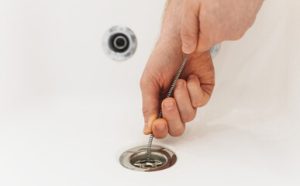
drain cleaning

Professional cleaners use specialized equipment like hydro jetting and enzyme cleaning to clean away build-up and prevent future blockages without harming your pipes. Keep reading the article below to learn more about Drain Maintenance Services.

A well-maintained plumbing system is vital to your home. Not only does it prevent clogged drains and sewer backups, but it also protects your property’s value and satisfies the needs of your family. Investing in regular professional drain cleaning services can help keep your plumbing healthy and clog-free, saving you money in the long run. It’s less expensive than emergency repairs or costly pipe replacements, and it can help prevent future damage from a drain or sewer line collapse.

Your home’s pipes are an intricate network of tubes that channel water and sewage throughout your property. Like the veins in a body, these pipes need care to avoid disease and deterioration. If you don’t provide your plumbing with the proper care, a variety of issues may arise, including serious water and sewage backups.

Signs of a deteriorating plumbing system include sluggish drains, clogged sinks or toilets, and foul odors. If you notice any of these problems, call your plumber right away. Professional inspections can identify the issue and determine if you require preventative drain cleaning or other services to restore the health of your pipes.

Preventative maintenance includes routine drain cleaning and regular plumbing inspections. Professional plumbers have extensive training to detect early signs of a problem and use specialized equipment to clean drains and restore healthy function. They can also recommend best practices and products to help prevent clogs, leaks, or corrosion.

Regular professional drain cleaning helps prevent the buildup of grease, oil, and other debris that can clog or block drains and pipes. If you own a restaurant or other food service establishment, it is essential to regularly clean your drain lines and grease traps.

Preventative maintenance can also help you save money by reducing your energy bill. A properly functioning plumbing system is more efficient and can help to regulate the temperature in your home. This is especially important during hot or cold weather, when your drains will be running more frequently. It is also beneficial for those with a septic tank, as routine cleaning can help to extend the life of your tank and prevent unwanted clogs.

Emergency drain cleaning

If you notice water draining more slowly than usual, foul odors or visible blockages, it’s time to call the professionals. When drains become blocked, it can cause flooding, water backup, and even structural damage to your property. Emergency drain cleaning services offer a fast, effective solution to remove clogs and restore proper drainage.

Professionals use a variety of tools to tackle stubborn clogs and restore normal drainage. They begin by inspecting the pipe using a video camera, which helps identify the location and nature of the clog. They can then select the appropriate drain cleaning method, such as drain snaking, hydro jetting, or enzyme cleaners. In addition to removing clogs, these professional drain cleaning services also help prevent future ones by eliminating build-up and promoting the natural decomposition of organic debris over time.

Regular maintenance also prevents drains from becoming clogged in the first place. Hair, soap scum, food particles, and mineral deposits can all accumulate inside your pipes over time and restrict water flow. By regularly cleaning your drains, you can prevent these materials from building up and causing serious plumbing issues.

In addition to reducing the risk of clogs and backups, routine maintenance can extend the life of your drains and reduce the need for costly repairs. By investing in preventative drain cleaning services, you can save money and avoid expensive repair bills down the road.

Commercial drain cleaning services are essential for businesses that need to adhere to health and safety regulations. They ensure that drains are clean and free from contaminants that could pose a risk to employees or customers. They can also detect and address any problems with the drainage system before they lead to a major disaster.

Investing in regular drain maintenance is a great way to keep your home or business running smoothly. Professionals know what to look for and can spot early signs of potential trouble, which can save you time and money in the long run. They can also provide expert advice on how to maintain your drains and pipes to avoid costly repair bills down the road.

Clogged drains

When your drains are clogged, it can cause serious backups and damage to the surrounding plumbing system. The key is to act fast, as soon as you notice signs that something may be wrong. This includes slow-draining water, unpleasant odors, and visible blockages. These signs can signal the presence of severe clogs or other drainage problems that can lead to costly repairs and disruption of your home life.

Most clogs are caused by the buildup of hair, soap scum, food waste, and other debris. Preventative maintenance services can help prevent these issues, including regular drain cleaning and using shower and sink drain guards. These devices are designed to trap hair and other debris before it can enter the pipes, preventing clogs and keeping the drain system clean and free of obstructions.

Large clogs and those that occur deep within the pipes often require professional assistance to resolve. Professional plumbers have the tools and expertise to remove even the most stubborn clogs without damaging your plumbing. These professionals can use various methods to break up and dissolve clogs, including drain snakes, power augers, chemical cleaners, and more.

Whether it’s a residential or commercial property, regular drain maintenance is important to keep the system running smoothly and prevent costly repairs. Some properties need more frequent services than others, depending on the number of people living in the home or the amount of food and other items being sent down the drains.

The most common signs that it’s time for a drain maintenance service include slow-draining water, unpleasant odours, and visible blockages. Other signs of an impending clog include gurgling sounds and the overflow of sinks, bathtubs, or toilets. If you see any of these symptoms, contact a local plumber immediately to schedule a drain cleaning service. The sooner you address these issues, the less likely it is that they’ll become severe and expensive to repair. This can also help prevent the potential for sewage leaks and other dangerous plumbing problems. In addition to these routine services, some properties may require emergency drain cleaning services for sudden clogs or backups. These services may include sewer line flushing, video camera inspections, and chemical treatments to break down grease and other substances in the drain lines.

Schedule a service

Drain and sewer maintenance is important for keeping your home running smoothly, preventing costly repairs, and extending the lifespan of your pipes. If you are concerned about the state of your plumbing, contact us to schedule a professional inspection.

We will inspect your drainage system for clogs, leaks, corrosion, and damage. If necessary, we can use high-powered water jetting or mechanical snaking to remove debris and clogs. We can also clean out your grease trap to ensure that it is functioning properly. Regular drain cleaning is essential to prevent the buildup of food waste, oil, and other contaminants that can lead to blockages and slow drainage.

If you experience frequent clogs, unpleasant odors, or gurgling sounds, it is likely time to call a plumber for professional drain cleaning services. Leaving a clog unattended could result in health hazards, costly repairs, and water damage to your property.

Commercial Drain Maintenance

Businesses require a well-functioning drainage system to maintain productivity and uphold hygiene standards. When a drain gets clogged, it can cause unsanitary conditions and disrupt workflow. To avoid these issues, it is recommended that commercial properties schedule regular drain cleaning services. Commercial drain maintenance includes the removal of grease, hair, soap scum, and other buildup in kitchen, bathroom, and laundry drains. It can also include the cleaning of garbage disposals, sump pumps, and sewage lines.

We provide a full range of drain cleaning services, including video inspection and camera technology to identify the source of the problem and to ensure that the work is done correctly. Our technicians will also test the water flow afterward to ensure that your drains are working properly.

While drain cleaning services focus on clearing out pipes, plumbing repair deals with repairing or replacing damaged components of your plumbing system. A skilled plumber can assess your system to determine if it is up to date with current codes and regulations, or if you need to install new components to improve efficiency. They can also recommend and implement a plan to address potential problems before they become major issues.

Trusted Plumbing Experts for Your Home Needs

Plumbers play a critical role in our everyday lives. Their work protects us from diseases and bacteria and ensures that we have clean water for drinking and sanitation. Despite this, the plumbing profession remains misunderstood and underappreciated.

The work of a plumber can vary from unclogging toilets to installing complex pipe systems in power plants. They must be comfortable using fast math and navigating complex blueprints. They also need to be able to work under tight deadlines and stressful situations. Visit https://www.castlerockplumbingllc.com/ to learn more.

Plumbing

Plumbing is the system of pipes and fixtures that deliver water for drinking, cooking, and washing, as well as remove waste. Plumbers install, repair, and maintain these systems to ensure safe and efficient operation. They use a variety of tools and equipment to perform their jobs, including hand tools, power tools, and advanced technology such as pipe cutters and drain snakes. They also need to adhere to strict safety precautions when working with electricity, chemicals, and other hazardous materials.

Plumbers are often required to travel between jobs, and they may work evenings and weekends to meet emergency service requests. This can lead to an unpredictable schedule, so it is important for plumbers to plan ahead and be flexible with their work arrangements. In addition, plumbing is a physically demanding job that requires stamina and strength. Plumbers must also stay up-to-date on new technologies and techniques in order to provide their customers with the best service.

The plumbing industry is growing rapidly, thanks to innovations like smart water sensors and eco-friendly toilets. These technologies improve efficiency and reduce energy consumption, while also contributing to the global push toward sustainability. As a result, the demand for skilled plumbers is expected to continue to grow. Those interested in becoming plumbers should pursue a technical education and complete an apprenticeship to gain hands-on experience.

In residential settings, plumbers install and connect pipes, faucets, sinks, toilets, and other fixtures. They also inspect and maintain existing plumbing systems, and repair or replace broken components. In some cases, plumbers may also install gas lines and appliances. They may also need to understand building codes and regulations, as well as interpret blueprints.

Commercial and industrial environments present a different set of challenges for plumbers. They may need to install larger-scale plumbing systems that serve multiple occupants, such as in office buildings, hospitals, and factories. They may also need to work with fire sprinkler systems and complex industrial plumbing equipment. Plumbers in these environments often collaborate with architects and construction teams to ensure that plumbing is integrated seamlessly into building projects.

Plumbers must be able to think on their feet and come up with creative solutions for challenging problems. They must be able to diagnose issues quickly and accurately, and they must be able to repair them effectively. They must also be familiar with a wide range of tools and equipment, including hand tools, power tools, and electronic diagnostic devices.

Plumbing is the removal of liquids and waste

Plumbing is a trade that involves working with pipes, fixtures, and appliances to provide water, gas, and waste removal in residential, commercial, and industrial settings. It requires the use of many tools and skills, as well as the ability to work in cramped spaces. In addition, plumbers must follow strict safety protocols when handling hazardous materials and chemicals. Moreover, they must adhere to local and state regulations regarding licensing and inspections.

Despite the challenges of the job, plumbers are in high demand and can earn competitive wages. The profession can be rewarding for people who enjoy solving problems and working with their hands. It also offers stability and opportunities for long-term career growth.

Plumbers often work in harsh environments, such as cold or hot weather, and are at risk for injuries resulting from manual labor. For example, squeezing into tight spaces or lifting heavy objects can cause back and neck injuries. Similarly, prolonged exposure to freezing temperatures can damage pipes and lead to costly repairs. Moreover, plumbing jobs often involve repetitive motions that can cause injuries in the soft tissue of the shoulders, arms, and wrists.

Another potential hazard is the exposure to biohazards, including sewage and other harmful substances. In some cases, plumbers may need to remove and replace old pipes, which can expose them to these hazards. These risks can be minimized by wearing personal protective equipment, following proper sanitation procedures, and using proper cleaning methods.

Working in tight spaces like storage tanks, sewers, crawl spaces, and industrial boilers can also be dangerous for plumbers. These spaces are poorly ventilated, and a toxic leak or lack of oxygen can lead to suffocation or fatalities.

Plumbers can also be exposed to chemical hazards, such as sulfur dioxide, drain cleaners, and asbestos. These chemicals can cause respiratory problems, eye irritation, and other health issues if not handled properly. This is why it is important for plumbers to wear gloves and use personal protective equipment when handling these materials.

Plumbers must also be prepared for middle-of-the-night emergencies, as they are often on-call to fix burst pipes and clogged drains. As such, they must be able to adjust their schedules to meet the demands of their clients. This can result in an unpredictable work schedule and stress on their family life.

Plumbing is the installation of fixtures

Plumbing involves the installation of a vast array of fixtures, including sinks, toilets, showers, water heaters, and more. These systems deliver clean, safe water for drinking and washing, and remove wastewater to maintain a hygienic environment. In addition to their practical uses, these installations are essential to a building’s structure and safety. Plumbers are skilled professionals who understand the complex interconnections of these systems and can safely install, repair, and replace them.

A well-installed fixture is a critical first step in preventing costly repairs and maintaining a high level of home comfort. It also ensures that your household’s water usage is optimized for efficiency, reducing waste and saving you money on utility bills. Proper installation requires a deep understanding of water systems and the best materials for your home’s unique needs.

Plumbers use a variety of tools to perform their duties, including hand and power tools. Pliers, including slip-joint and locking pliers, are used for gripping and twisting, while hacksaws are used to cut metal pipes and other materials. Other hand tools include basin wrenches, adjustable wrenches, and faucet seat wrenches. Plumbers also rely on a wide range of power tools, including electric drills and jigsaws.

As with any professional trade, the plumbing industry is regulated by a series of standards and codes. Plumbers must adhere to these standards and regularly update their knowledge of new technology and techniques. They must also keep up with local regulations, which can vary by state.

In addition to repairing leaky faucets and jammed toilets, plumbers also install new fixtures and pipes. They must carefully measure and mark the location of pipes before cutting them, ensuring that they fit properly. In addition, they must consider the effect of the work on the surrounding building and environment.

Installing new fixtures can be a time-consuming process, but it’s essential to do it correctly. If you’re planning a major renovation, it’s best to consult a plumber before starting the project. During the consultation, they can recommend the best products and materials for your project. They can even help you design your space and select the right fixtures to meet your needs. Moreover, they can suggest ways to future-proof your plumbing system and prepare it for any potential upgrades in the near future.

Plumbing is the maintenance of plumbing

The maintenance of plumbing systems is crucial for the health and well-being of individuals and communities. The systems ensure that water is safe for drinking and that waste is removed properly. Properly maintained plumbing also reduces the risk of disease from contaminated water and sewage, which can cause gastrointestinal problems, respiratory issues, and allergies.

Plumbers are responsible for installing, maintaining, and repairing plumbing fixtures and systems. They work in a variety of environments, from residential homes to commercial buildings and industrial plants. They must be comfortable working with a wide range of tools and be able to solve complex problems. They also must be able to work in confined spaces and at heights. In addition, plumbers must be able to read and interpret blueprints and building specifications.

There are three main specializations in the field of plumbing: residential, commercial, and service and repair. Each of these specializations focuses on different aspects and environments of plumbing work. Residential plumbers are responsible for the installation and repair of plumbing systems in homes and apartments. They also address plumbing emergencies, such as burst pipes and clogged drains.

Commercial plumbers install and maintain plumbing systems in offices, retail stores, restaurants, and other commercial buildings. They often work on larger-scale projects, including fire sprinkler systems and large water heaters. They may also work on plumbing systems in hospitals and schools. Commercial plumbers must be familiar with local plumbing codes and regulations.

Plumbing is a physically demanding job. It requires the use of a wide range of tools, including wrenches, pipe cutters, and soldering equipment. Plumbers must be able to work in cramped spaces and on ladders at heights. They also need to be able to handle heavy equipment and work in a variety of weather conditions. In addition, they must be able to work independently and follow strict safety protocols when working with dangerous chemicals and sewage.

Many plumbers are self-employed, allowing them to control their work schedule and choose their own projects. This freedom offers many benefits, but it can also be difficult to balance family life and other responsibilities. However, being a plumber can be a rewarding career choice for people who enjoy working with their hands and solving problems.

Navigation