Skills Needed to Be a Painter

Painter is a powerful tool that allows users to create and manipulate artwork with ease. Users can apply a variety of styles and techniques to their creations.

Art enhances our environment and can communicate complex emotions, ideas, and experiences to individuals and communities. It can even inspire new solutions and innovation.

painters

Painting is the art of creating pictures using color, tones, shapes, lines, and textures. It is a common form of creative expression and entertainment for both professional and amateur artists. Professional painters typically use oil paints or acrylic paints on canvas cloth, while young painters often use watercolors on sheets of paper.

Some painters specialize in specific types of paintings, such as portraits or landscapes. Others focus on a particular technique, such as abstract painting or impressionism. Still others create compositions that explore themes or ideas, such as symbolism or transience.

Whether they are painting portraits, landscapes, or abstractions, painters must first select a subject to represent on their work. This may be based on real-life experiences or their interpretation of a theme or idea. The selection process can be difficult and time-consuming. Choosing a subject that is both inspirational and challenging can help a painter achieve their desired artistic outcome.

Once a painter has selected a subject, they must make preparations for the painting. This includes preparing the canvas, laying down foundation coats, covering fixtures, and removing old paint. The painter must also decide on a style, composition, and color scheme for their work. In some cases, painters must apply a protective layer to the surface of their painting, such as varnish or sealant.

Some painters may be employed by art institutions or studios, where they will have access to specialized facilities for composing and displaying their work. Others will be commissioned to complete on-site painting projects, such as public artworks or murals in schools or hospitals. Still others will sell their work directly to art collectors and enthusiasts through galleries and online platforms. Regardless of the location or environment in which a painter works, they must maintain a high standard of quality in their work and ensure that their final product aligns with the initial vision. This requires attention to detail, precision, and a strong ability to follow instructions. In addition, a painter should be comfortable working at various heights and spaces while observing all safety measures. Lastly, a good painter should be able to work effectively in teams and individually.

Scaffolding

Scaffolding is a temporary structure of poles and planks used to support construction workers, inspectors, cleaners and others who need to work at height. It is typically made from metal tubes, although there are some types that use aluminium. Those that use steel are either galvanised or painted. Some scaffolding is built using timber, and it can also be erected on stilts for some kinds of work. Teachers can also employ scaffolding in the classroom to help students with new lessons and strategies. It is best when educators employ it in a way that reduces their assistance over time as the student masters the task.

For instance, a teacher might offer multiple options for completing a simple science activity like an experiment. Then they might ask the student to evaluate each option and develop a correct response on their own. They might then begin to limit the number of choices, or even take them away entirely. This technique works well for children, but it is not always appropriate in the workplace. Some workplaces have specific safety regulations for scaffolding, including requiring that it be painted in a certain color so that it is easily identified and not stolen.

A basic scaffold consists of a standard or upright tube at the top and ledgers, or horizontal tubes, underneath. The standard is fitted with a pair of right-angle couplers, putlogs or single couplers at the bottom and cross braces to increase its rigidity. The ledgers are then joined with a cross-brace called a bridle tube or through ties to a main transom at the centre of the scaffold. For inspection purposes a bay size of up to 2 metres is allowed, but on softer surfaces a sole plate is required to spread the load.

All parts of a scaffold must be in good condition and securely fastened, especially if they are going to be raised above the ground or floor of the building. If a part of the scaffold is faulty or unfit for its intended purpose it can collapse, endangering the safety of workers below. It is important that all scaffolding be constructed, maintained and operated by trained workers.

Manual Dexterity

Manual dexterity refers to the ability to move your hands and fingers with precision. This is an important skill for painters to have because it allows them to create detailed paintings. It also helps with fine motor skills. In addition, studies have shown that taking part in artistic activities like painting can help slow down the onset of diseases such as Alzheimer’s and dementia.

In order to develop your manual dexterity, you can practice by doing handicrafts or knitting. You can also hone your skills by playing a musical instrument or learning a new language. In fact, some dental schools actually test applicants on their manual dexterity!

Communication

A painter works with both people and materials, so he must have good communication skills. He should be able to clearly explain how to complete each task, listen to what the customer wants, and answer any questions they may have. He should also be able to provide accurate estimates of how long it will take him to complete the job. This is especially important if he is self-employed.

In addition to verbal communication, painters also use visual cues when working with customers. Eye contact is an important part of this process, as it conveys trust and authenticity to the other person. It can also help you understand emotions and non-verbal signals that the other person might be expressing.

Whether you’re a professional or not, effective communication is crucial to any career in the arts. As a painter, you need to be able to communicate with clients about what they want their home or business to look like and how it will change with the addition of new colors and textures. This is a big part of how you build rapport with your customers and keep them satisfied with their work.

In many states, it is a requirement for painters to be licensed to do commercial painting jobs. This is to protect consumers from unlicensed contractors who may damage property or not do quality work. You should always choose a licensed contractor who has experience and is well-versed in the best practices for each type of job.

A good painter should have a strong aesthetic sense. This is especially true for exterior work, as it’s important to know what looks good in each environment. For example, a painter should be able to choose the right color for a house that will blend in with its surroundings and not stand out too much.

In addition to these technical skills, a good painter must have strong organizational skills to plan and manage projects effectively. He should also be able to create his own work space that provides him with the tools and resources necessary for his craft. This could be a studio in his home, a rented workspace, or an art collective. This work space should have tables, easels, and storage areas for paints and other supplies.

What Are the Advantages of 3D Printing?

3D printing is the process of using a computer to create objects that are built up layer by layer. These objects can be made of various materials, including polymers, metals, and ceramics.

3D printing offers many advantages over traditional manufacturing processes. These include faster product development, cost-effective market testing, and on-demand manufacturing.

3D printing

3D printing has allowed faster design iterations, allowing designers to improve a product’s or component’s shape. This translates into a better product that will satisfy customer needs.

Additionally, suppose a design requires the incorporation of complex geometries that would be difficult to machine or cast. In that case, 3D printing can allow for part consolidation by eliminating the need to create separate parts and pieces. This can dramatically reduce the overall number of parts required for a product, which in turn lowers manufacturing costs by cutting down on production time and material consumption.

The 3D printing process works by adding layer upon layer of melted plastic, metal or other materials to produce an object. This is in stark contrast to traditional manufacturing methods, which are based on subtractive processes, similar to sculpting away clay, which can be very costly due to the loss of precious material.

For industrial manufacturers, especially those introducing a large number of new products to the market a year, this can mean significantly reduced development time and improved time-to-market. It can also reduce reliance on an often cumbersome and expensive global supply chain and help companies stay more agile and responsive to changes in customer demand.

This is particularly true in industries where customers place a high value on quality over quantity, such as the automotive and aerospace industries. For example, Ford’s implementation of 3D printing has helped it to reduce its cost of prototyping by up to 90% and accelerate time-to-market. This is because designs that could take months to fabricate using CNC machinery or injection molding can be completed in under a week with a 3D printer.

Increased Innovation

3D printing allows for an increased level of innovation within manufacturing. The process uses a layer-by-layer approach to create a physical prototype that can be used for iterative testing and refinement. This can help to identify any design flaws or improvements to a product faster than traditional methods would allow.

This process also makes it easier to create complex products with intricate details. For example, it’s possible to print multi-faceted or curved surfaces that would be impossible or very expensive using subtractive or injection processes. 3D printing also allows for the creation of specialized tools, such as jigs and molds, that can be used to streamline production or reduce costs. In addition, it is possible to 3D print spare parts or replacement components for existing equipment, eliminating costly downtime caused by breakdowns.

The emergence of 3D printing technology has been fueled by advances in material science. Many of these advances have allowed for greater strength, durability and elasticity in finished prints. This has opened up new possibilities in a wide range of industries. For example, 3D printed prosthetics are currently being developed and used by patients in lieu of costly limb replacements. This has been made possible by the development of materials that are able to mimic human bone and muscle structure, while also being incredibly strong.

This technology could be the catalyst for a major shift in manufacturing. For example, it could enable businesses to produce their own jigs and molds, reducing the cost of outsourced production services. It could also make it much more economical to produce a small run of products, potentially eliminating minimum order quantities and lead time/logistics delays. In addition, it could lead to greater efficiency and sustainability in production, reducing waste and cutting back on the use of raw materials.

Cost-Effective Market Testing

3D printing translates digital CAD files into a three-dimensional physical solid object by depositing material layer by layer. The technology is ideal for product development because it cuts costs and reduces risk. This means a business can test out its idea before investing large sums of capital into tooling, and it can make use of profits generated by sales to fund future production runs.

Moreover, the speed of 3D printing allows for on-demand manufacturing. This on-demand approach eliminates the need to stockpile products, reducing operational expenses and storage requirements. Furthermore, it enables brands to respond to market trends and customer feedback quickly by altering product designs or adding new features.

Aside from cutting back on materials waste, 3D printing also conserves energy. In addition, the printing process brings manufacturing closer to consumers, thereby reducing transportation needs and fuel consumption. This positive impact on the environment can help offset carbon emissions pumped into the atmosphere by factories.

Domestic 3D printers are increasingly becoming available for home use. While early-adopters have been using these machines to create ornamental objects, a wide variety of practical applications are now being explored by makers and enthusiasts. These range from backscratchers and coat hooks to gears for woodworking machines. The rapid development of new materials for use with 3D printing is accelerating the growth of the industry, and companies are implementing processes to capitalize and expense R&D costs that lead to commercially viable products. However, there are still challenges to be addressed in the adoption of 3D printing by the mainstream. For one, the technology isn’t yet cost-effective enough for mass production, and the upfront investment in a professional-grade printer can be prohibitive.

Better Quality Prototypes

Traditional manufacturing methods, including injection molding and machining, require expensive tools and molds to produce prototypes. 3D printing eliminates this cost and enables rapid prototyping with on-demand production of prototype patterns.

However, there are a number of challenges that can impact the quality and effectiveness of 3D printed prototypes. These include:

Print Failures: Issues like nozzle clogs, filament jams, or power outages can disrupt the printing process and waste material. To avoid these issues, calibrate the printer regularly, use high-quality filament, and invest in uninterrupted power supplies.

Prototype Structural Weaknesses: Issues like poor layer adhesion or inadequate infill density can compromise the structural integrity and functionality of prototypes. To resolve these problems, optimise the infill pattern and density, adjust layer heights, and reinforce critical areas with additional shells or supports.

Material Brittleness: Certain materials are brittle and can break easily, making them unsuitable for use in functional prototypes. To overcome this limitation, select more durable materials and explore post-processing techniques.

Lack of Quality Finish: Poor surface finish and detail resolution can detract from the usability of prototypes. To improve the quality of prints, optimise printing parameters and design features to achieve the desired mechanical properties, chemical resistance, and aesthetic appearance.

Printing Time: Printing time varies depending on the size and complexity of the prototype, as well as the quality of the print. To reduce printing time, utilise multiple printers for parallel processing and optimize the print settings to balance print quality with printing speed.

Customization

The emergence of 3D printing has opened up an opportunity for mass customization, giving consumers the freedom to personalize products to their exact preferences. Mass customization, when done right, can help businesses build a stronger brand image and increase customer satisfaction.

Advancements in CAD software and 3D printer technology have made it easier for manufacturers to create and produce customized products on a large scale. With a digital model, designers can alter and test different design variations before they make the final product, and if necessary, change it to better suit the consumer’s needs and preferences.

Another advantage of mass customization using 3D printing is shorter lead times for prototyping and manufacturing. Rather than waiting weeks if not months for custom molds or tooling to be created, manufacturers can quickly print prototypes that are virtually identical to the final end-use product, saving both time and money.

3D printing also offers greater flexibility in production, with the ability to produce a wide range of parts and materials on demand. Unlike traditional injection molding techniques, which require a manufacturing setup for specific products and large production series, 3D printing can directly adapt to any product. This helps to shorten supply chains and improve resilience.

The growing popularity of mass customization also means that businesses can track and gather valuable data about consumer preferences and behaviors. By collecting this information, companies can develop more targeted marketing campaigns and enhance their overall business strategy. Combined with the benefits of 3D printing, these advances can offer a much more powerful and profitable solution to traditional mass production methods. Ultimately, mass customization using 3D printing is a win-win scenario that can help manufacturers, consumers, and the environment.

Emergency Electrical Services: What to Expect When Power Issues Strike

Power outages and sudden electrical problems rarely happen at convenient times. Whether it’s late at night, during a busy workday, or in the middle of severe weather, unexpected electrical failures can disrupt daily routines and create serious safety risks. That’s where emergency services come into play. When power issues strike, knowing what to expect from professional emergency electricians can help you respond quickly, minimize damage, and restore safety to your property.

Electrical systems are complex networks of wiring, panels, circuits, and components designed to operate safely under normal conditions. However, overloaded circuits, faulty wiring, storm damage, equipment failure, or aging infrastructure can trigger sudden malfunctions. In these situations, prompt action is critical. Emergency electrical services are designed to address urgent problems efficiently, protect your property from further damage, and reduce the risk of fire or electrical hazards.

electrical

What Qualifies as an Electrical Emergency?

Not every electrical issue requires immediate attention, but certain warning signs should never be ignored. An electrical emergency typically involves situations that pose immediate safety risks, disrupt essential systems, or threaten structural damage.

Common electrical emergencies include:

  1. Complete power loss not caused by a utility outage
  2. Burning smells or smoke coming from outlets or panels
  3. Sparking wires or exposed electrical components
  4. Frequently tripping breakers that won’t reset
  5. Buzzing sounds from electrical panels
  6. Water exposure to electrical systems

These issues indicate potential hazards that require professional evaluation. Attempting to troubleshoot serious electrical problems without proper training can increase the risk of injury or fire.

Immediate Steps to Take During a Power Issue

When electrical problems arise, your first priority should be safety. Before contacting emergency electrical services, there are a few precautionary steps you can take.

First, avoid touching any exposed wires or damaged outlets. If you detect a burning smell, shut off power at the main breaker if it is safe to do so. If water is present near electrical components, do not step into the area. Electricity and water are a dangerous combination, and standing water can become energized.

Second, unplug sensitive electronics to protect them from power surges. Power fluctuations during outages can damage appliances and electronic devices.

Finally, contact a qualified emergency electrician as soon as possible. Quick action reduces the risk of further complications and ensures that a professional assessment is conducted safely.

How Emergency Electrical Services Respond

When you call for emergency electrical services, the response process is designed to be swift and structured. Professional electricians prioritize urgent calls and aim to arrive promptly, equipped with the tools and diagnostic equipment necessary to address the issue.

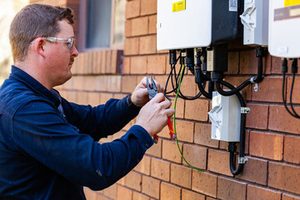
Upon arrival, the electrician will begin with a thorough inspection to identify the root cause of the problem. This assessment may involve examining the electrical panel, testing circuits, inspecting wiring, and evaluating connected systems. Rather than addressing only the visible symptoms, experienced professionals focus on diagnosing the underlying cause to prevent recurring issues.

After identifying the problem, the electrician will explain the situation clearly and outline recommended solutions. Transparency is key, especially in emergency scenarios where quick decisions are required.

Common Emergency Electrical Repairs

Emergency electrical services cover a wide range of repairs and solutions. Depending on the issue, repairs may vary in complexity and duration.

Some of the most common emergency repairs include:

  1. Replacing damaged circuit breakers
  2. Repairing or replacing faulty wiring
  3. Restoring power after panel failure
  4. Addressing electrical short circuits
  5. Fixing burned or melted outlets
  6. Resolving generator malfunctions

In some cases, temporary solutions may be implemented to restore power safely while scheduling more extensive repairs at a later time. For example, if a panel upgrade is needed, the electrician may stabilize the system temporarily to reduce immediate risk.

Electrical Panel Failures and Overloads

One of the most frequent causes of emergency calls involves electrical panels. The panel serves as the control center for your electrical system, distributing power throughout the property. When panels malfunction or become overloaded, power disruptions and safety hazards can occur.

Signs of panel-related emergencies include:

  • Breakers that trip repeatedly
  • Panels that feel warm to the touch
  • Flickering lights throughout the property
  • Visible corrosion or rust inside the panel

Panel issues often require immediate professional intervention. In some cases, repairs are sufficient. In others, a panel upgrade may be necessary to meet modern electrical demands.

Power Surges and Electrical Damage

Power surges can occur during storms, utility disruptions, or when large appliances cycle on and off. Sudden voltage spikes can damage electronics, wiring, and appliances. While minor surges may go unnoticed, repeated surges can weaken your system over time.

Emergency electricians assess surge damage and may recommend installing whole-home surge protection devices. These protective systems help safeguard your electrical infrastructure from future voltage fluctuations.

The Role of Safety Inspections

Safety inspections are a critical component of emergency electrical services. Even after visible problems are resolved, electricians often perform additional evaluations to ensure there are no hidden hazards.

These inspections may include:

  1. Testing circuit loads
  2. Checking grounding systems
  3. Verifying proper connections
  4. Inspecting outlets and switches for damage

A comprehensive inspection ensures that the entire system is stable and safe before leaving the site.

Residential vs. Commercial Electrical Emergencies

Emergency electrical services are essential for both residential and commercial properties. However, the impact of power disruptions may differ depending on the setting.

In residential properties, electrical emergencies can affect heating, cooling, refrigeration, and security systems. Prolonged outages may compromise food storage or comfort levels.

In commercial environments, power issues can halt operations, disrupt productivity, and lead to financial losses. Businesses often rely on specialized equipment and technology that require a stable electrical supply.

Professional electricians understand the urgency of both scenarios and prioritize restoring functionality while maintaining safety standards.

Preventing Future Electrical Emergencies

While not all emergencies can be avoided, preventative maintenance significantly reduces the likelihood of sudden failures. Routine inspections and system upgrades help identify vulnerabilities before they escalate.

To reduce the risk of emergencies:

  1. Schedule periodic electrical inspections.
  2. Upgrade outdated wiring and panels.
  3. Install surge protection devices.
  4. Avoid overloading outlets and circuits.
  5. Address minor issues promptly rather than delaying repairs.

Proactive care strengthens your electrical system and enhances overall reliability.

What to Look for in Emergency Electrical Services

When choosing an emergency electrician, responsiveness and expertise are critical. Look for professionals who offer 24/7 availability and demonstrate clear communication. Experience in diagnosing complex issues is essential for resolving emergencies efficiently.

Additionally, ensure that the electrician follows proper safety protocols and adheres to industry standards. Transparent pricing and detailed explanations of recommended repairs contribute to a positive service experience.

The Importance of Acting Quickly

Electrical problems rarely resolve themselves. In fact, delaying repairs often increases the severity of damage. A small wiring issue can escalate into a fire hazard if left untreated. A repeatedly tripping breaker may indicate a deeper system overload that threatens structural safety.

Acting quickly when power issues strike protects your property and ensures that problems are contained before they worsen. Emergency electrical services provide peace of mind during stressful situations by restoring stability and safety promptly.

Long-Term Benefits of Professional Emergency Services

Relying on professional emergency electrical services offers more than immediate problem resolution. It strengthens the overall resilience of your electrical system. Thorough diagnostics, expert repairs, and preventative recommendations contribute to long-term reliability.

Professional intervention also reduces liability risks. Electrical hazards can endanger occupants and lead to property damage. Addressing emergencies promptly safeguards both people and assets.

Moreover, maintaining a safe and functional electrical system enhances property value. Potential buyers or tenants are more confident in properties with well-maintained infrastructure.

Electrical emergencies can be alarming, but knowing what to expect from emergency electrical services makes the situation more manageable. From prompt response and thorough diagnostics to expert repairs and safety inspections, professional electricians play a crucial role in restoring power and protecting your property.

When power issues strike, prioritize safety, avoid DIY repairs, and seek immediate professional assistance. By acting quickly and investing in preventative maintenance, you can minimize disruptions and ensure your electrical system remains dependable for years to come.

Unexpected outages and electrical malfunctions are inevitable at times, but with the right support and preparation, their impact can be significantly reduced. Emergency electrical services provide the expertise and responsiveness needed to navigate these challenges with confidence and security.

Hoarding Cleanup Support: How Junk Removal Services Help Restore Living Spaces

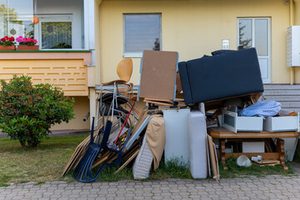
Hoarding cleanup is often misunderstood as a simple decluttering project, but in reality, it is a complex and deeply personal process that requires patience, planning, and compassion. Over time, excessive accumulation of belongings can transform living spaces into environments that feel overwhelming, unsafe, or difficult to manage. When clutter begins to affect daily routines, mobility, or sanitation, professional junk removal services can play a vital role in helping individuals regain control of their surroundings. By combining organization strategies with responsible disposal methods, these services support the restoration of functional, comfortable living spaces while minimizing stress throughout the cleanup journey.

One of the biggest challenges associated with hoarding situations is the sheer volume of items that need to be sorted and removed. Unlike standard cleanouts, these projects often involve years of accumulated belongings, ranging from household goods and furniture to paperwork and miscellaneous objects. Attempting to handle such a task alone can feel daunting, which is why many people turn to experienced junk removal teams for assistance. Professionals bring structure to the process, helping prioritize safety while creating a step-by-step plan that respects both the environment and the emotional significance of personal possessions.

junk removal

A key benefit of professional hoarding cleanup support is the ability to approach the project gradually and thoughtfully. Instead of rushing through the process, trained teams work to ensure that valuable or meaningful items are not discarded unintentionally. The goal is not simply to remove clutter but to restore balance within the home. By collaborating with residents, cleanup teams can categorize items into groups such as keep, donate, recycle, or dispose of responsibly. This collaborative approach helps individuals feel more comfortable with the process and encourages positive long-term habits.

Safety is another critical factor when addressing heavily cluttered environments. Excess belongings can block walkways, create fire hazards, or contribute to poor indoor air quality. Professional junk removal services are equipped with tools and protective equipment designed to handle challenging conditions. Their experience allows them to identify potential risks and remove items in a way that minimizes damage to the property. Clearing pathways and removing unstable stacks of items not only improves accessibility but also reduces the likelihood of accidents, creating a safer environment for everyone involved.

Many people underestimate the emotional aspect of hoarding cleanup. Letting go of belongings can be difficult, especially when items hold sentimental value or represent important memories. Professional teams often understand the importance of patience and respectful communication throughout the process. By maintaining a supportive and nonjudgmental approach, they help individuals feel empowered rather than pressured. This sense of understanding makes it easier to make decisions and move forward with confidence, turning a stressful task into a manageable and even uplifting experience.

The process of restoring a living space typically involves several structured stages that keep the project organized and efficient. These stages may include:

  1. Initial Assessment and Planning: Evaluating the scope of the cleanup, identifying hazards, and developing a clear strategy for sorting and removal.
  2. Careful Sorting and Categorization: Separating items based on importance, condition, and potential for donation or recycling.
  3. Responsible Removal and Disposal: Transporting unwanted materials safely while prioritizing environmentally friendly practices.
  4. Final Cleaning and Reorganization: Creating a refreshed layout that encourages easier maintenance in the future.

Breaking the project into these steps helps reduce overwhelm and ensures that progress feels steady and achievable.

Another important aspect of hoarding cleanup is sustainability. Many items found in cluttered homes can be repurposed, donated, or recycled rather than sent directly to landfills. Junk removal services often work to identify reusable materials and coordinate proper disposal methods. Furniture in good condition may find new life through donation, while electronics can be processed through recycling programs that recover valuable components. This environmentally conscious approach aligns with modern waste management practices and allows individuals to feel confident that their cleanup contributes positively to the broader community.

Beyond the physical transformation of a space, hoarding cleanup can also lead to improved functionality within the home. Rooms that were once inaccessible can be reimagined as comfortable living areas, productive workspaces, or relaxing environments. Clearing clutter allows natural light to flow more freely and creates a sense of openness that can significantly change how a home feels. Simple adjustments, such as reorganizing furniture or introducing practical storage solutions, help maintain the progress achieved during the cleanup.

Effective communication is essential throughout the entire process. Residents and cleanup teams benefit from setting clear expectations about timelines, priorities, and desired outcomes. Open dialogue helps ensure that everyone understands the goals of the project and feels comfortable with each step. For example, discussing which items are most meaningful or identifying areas that require extra care can prevent misunderstandings and make the experience more collaborative. This level of transparency builds trust and allows the cleanup to proceed smoothly.

There are several signs that indicate it may be time to seek professional hoarding cleanup support. Recognizing these indicators early can prevent conditions from becoming more challenging over time. Common signs include:

  1. Limited Mobility Within the Home: Narrow pathways or blocked doorways can make daily activities difficult or unsafe.
  2. Excessive Storage Overflow: Items spilling out of closets, cabinets, or storage areas may signal the need for a larger-scale cleanup.
  3. Difficulty Maintaining Cleanliness: Accumulated clutter can make routine cleaning tasks nearly impossible.
  4. Emotional Stress Related to Clutter: Feeling overwhelmed by belongings may indicate that outside assistance could be beneficial.

Addressing these signs proactively allows individuals to regain control of their environment and avoid more complicated situations in the future.

Professional junk removal services also play a role in helping families and caregivers navigate sensitive situations. Loved ones often want to help but may not know how to approach the topic of hoarding without causing discomfort. Having a neutral third party involved can make conversations easier and provide a structured framework for moving forward. Cleanup professionals focus on practical solutions while maintaining respect for personal boundaries, which can help preserve positive relationships throughout the process.

Time efficiency is another reason many people rely on junk removal services for hoarding cleanup projects. What might take weeks or months to accomplish alone can often be completed more quickly with a trained team. Efficient removal processes, combined with organized sorting systems, allow spaces to be restored without unnecessary delays. This faster turnaround helps individuals enjoy the benefits of a refreshed environment sooner, reinforcing the positive impact of the cleanup effort.

After the initial cleanup, maintaining the restored living space becomes an important goal. Establishing new organizational habits can help prevent clutter from accumulating again. Simple strategies such as regular decluttering sessions, designated storage areas, and mindful purchasing decisions make it easier to sustain a balanced environment. Some people find it helpful to create a schedule for reviewing belongings or setting limits on what they bring into their homes. These small but consistent actions support long-term success and help maintain the sense of calm achieved during the cleanup.

The transformation that occurs during a hoarding cleanup often extends beyond the physical space. A cleared and organized home can create a renewed sense of comfort and possibility, encouraging residents to engage more fully with their surroundings. Whether it involves reconnecting with hobbies, welcoming guests, or simply enjoying a peaceful atmosphere, the benefits of a restored living space can be deeply meaningful. Junk removal services contribute to this transformation by providing the structure, support, and expertise needed to tackle even the most challenging projects.

In conclusion, hoarding cleanup is a journey that requires patience, planning, and the right support system. Professional junk removal services offer valuable assistance by handling heavy lifting, ensuring responsible disposal, and creating an organized approach to restoring living spaces. Through thoughtful collaboration and a focus on safety and sustainability, these services help individuals reclaim their homes and move forward with confidence. By viewing the cleanup process as an opportunity for renewal rather than a daunting obligation, residents can rediscover the comfort and functionality of their living environments while building a foundation for lasting change.

Small Parcel Audit

Saves money – Invoice auditing can catch billing errors that can save businesses a significant amount of money. It also provides insight into how carriers are performing, giving shippers leverage in carrier negotiations.

small parcel audit

Whether it’s dimensional weight errors, overcharges on Saturdays or inaccurate rates, a small parcel audit can help your business identify and recover these mistakes. This makes it easier to keep costs in check and boost profits.

Small parcel auditing isn’t just a checkbox item on your to-do list; it’s a savvy business strategy that can save you money and strengthen your relationship with carriers. This process involves reviewing invoices from your parcel carrier and analyzing what you’ve been charged for. This can reveal a variety of errors, from pesky duplicate charges to dimensional weight overcharges. In addition, a thorough review can also disclose consistent trends in your shipping operations. These insights can help you negotiate better rates and optimize your shipping routes in the future.

Over time, these errors can add up and put a strain on your logistics budget. They can also impact your customers’ satisfaction with the delivery experience and impede profitability. But with small parcel auditing, these mistakes can be transformed into savings opportunities that improve your bottom line without hurting your customer service.

A small parcel audit is a process that analyzes your shipping data for errors. It can uncover issues like inaccurate weight entries, incorrect shipment class determinations, and misapplied shipping rates. By identifying these errors, you can reclaim funds that rightfully belong to your company and improve your logistics operations.

Shipping costs can be a significant percentage of your overall budget, and small parcel auditing is an effective way to reduce these expenses without sacrificing service quality. By identifying overcharges and correcting mistakes, you can save up to 2% to 5% on your transportation budget. And while it may seem like a small change, these savings can be substantial.

While one late delivery or misbilling might not matter, they can add up over time. It’s important to track these issues and address them quickly. Often, these issues can be corrected through the carrier’s refund process. And if you’re a frequent shipper, you can even work with your carrier to develop new policies that streamline the shipping process.

While many people assume that small parcel auditing is a tedious process, it’s actually quite simple. The key is to find the right software and a team that can handle the heavy lifting. With a robust platform and comprehensive reporting, you can rest assured that your freight bills are accurate and that you’re getting the best possible pricing for your shipments.

It is a form of monitoring.

Small parcel audits can save a lot of money for logistic companies. These audits can help them identify overcharges by shipping carriers. In addition, they can also help them save time and resources by reviewing invoices and identifying errors. This can also help them improve their supply chain processes and customer service.

Invoice errors can cause big problems for logistics businesses. Not only do they waste money, but they can also upset customers. These mistakes are common and can be easily fixed with a small parcel invoice audit. The most common mistakes include omitted surcharges, overcharged dimensional weight charges, and duplicate charges. These errors can be costly for logistics companies, especially when they are incurred in large volumes.

These errors are usually caused by inefficient internal shipping procedures. Many logistic companies use automated systems to reduce costs and errors. They can also save a lot of time and money by outsourcing these services to a professional auditing company. The process of auditing a small parcel is simple and fast, and it can be done with the help of a professional software tool.

Earlier, manual auditing was used to identify shipping carrier errors. But this process was labor-intensive and ineffective. It was difficult to identify billing errors by manually sorting through a lot of paperwork. In the past, this task was often done by employees with specialized skills. But with the advent of automated auditing software, it is now much faster and easier to find billing errors.

Some of these errors include avoidable address corrections, incorrect dimensional weight charges, and account validation errors. In addition, these tools can flag shipments with prison addresses, hotel addresses, and other anomalies that may indicate fraudulent activity. They can also flag addresses that have been vacated or abandoned, which can save a lot of money.

This type of technology is transforming the way logistics companies handle their freight costs. Using anomaly detection, AI, and other technologies, these tools can turn tedious data collection into an efficient and effective process. By catching errors early, they can save money and reduce the number of misshipments. These savings can be reinvested back into the business, improving their competitive edge and ensuring customer satisfaction. In addition, they can also help logistics companies negotiate better shipping rates with their carrier partners.

It is a way of saving money.

In a world where shipping is increasingly complex, one mistake can cause big logistical headaches. This is why it’s important to take the time to review your parcel shipping processes regularly to identify savings opportunities. In addition, a consistent auditing process can help you save money in the long run by catching billing errors before they become costly. Whether you use dedicated staff or software, auditing will help you keep your shipping costs low and improve customer satisfaction.

Inaccurate data entry or incorrectly applied shipping rates can lead to overcharges on your carrier invoice. Small parcel auditing services can identify these errors and reclaim the funds that rightfully belong to your business. Additionally, auditing can also help you negotiate more favorable freight costs with your carriers.

Keeping up with the latest technological innovations in the logistics field is crucial to staying competitive and identifying new savings opportunities. Investing in a small parcel auditing service can help you achieve this goal and increase your business’s profits. Additionally, outsourced services can offer the benefits of specialized tools and deep insights that in-house methods cannot.

Aside from preventing unnecessary cost increases, small parcel auditing can also reduce your business’s overall risk of late deliveries and other service problems. Getting your shipments to their destination on time is essential for ensuring that customers are satisfied with your product or service. To ensure that your shipments are delivered on time, you need to monitor the entire delivery cycle from origin to destination. This can be done by using a small parcel auditing tool that analyzes the shipping data and sends alerts in real-time.

Small parcel audits can also help you negotiate better contract terms with your carrier. When you know about the service or invoice errors that your carrier is making, you have the leverage to negotiate for refunds, discounts, and more. Additionally, you can reallocate the money that your carrier is draining from your bank account back into your business.

Some small parcel carriers charge additional surcharges for shipments that go to remote locations. Audintel verifies the actual address of these shipments to identify discrepancies and request refunds.

It is a way of enhancing customer satisfaction.

Whether you’re shipping small parcels or large freight, a thorough audit can help you save money and improve customer satisfaction. This process can be time-consuming and difficult, but it’s essential for a successful business. Moreover, it can prevent costly mistakes in the future, and ensure that you’re receiving the best service from your carrier. There are several ways to audit a freight bill, but the most common is to outsource it to a company that specializes in it. These companies usually charge a monthly subscription, and then recover refunds for invalid charges. In addition, they have a team of experts who can handle the task quickly and efficiently.

Many mistakes on invoices are avoidable, such as charges for trivial address corrections, incorrect dimensional weight, and incorrect zone validation. Additionally, errors in proof of delivery and unauthorized usage of accounts can cost logistics businesses thousands of dollars. Many of these mistakes are easily identified through a parcel invoice audit.

Parcel invoice audits can help businesses save a significant amount of money by identifying and disputing billing errors and overcharges with carriers. These services also help businesses reduce shipping costs by ensuring that they’re only paying for the services they received.

Small parcel invoice audits can be done by manually or with a software program. However, a more efficient option is to use a professional service that takes care of the entire process for you. The service will typically charge a percentage of the refunds that they recover for you, but it’s worth the investment in the long run.

Achieving the best results from your parcel audit requires a combination of data science, specialized tools, and an active approach to using the results to your advantage. In addition to providing cost savings, parcel invoice audits can also identify other areas for improvement in your logistic operations.

While it may seem easy to overlook a single late delivery or misbilling, these problems add up over time. Moreover, a lack of visibility into your shipping operations can result in non-compliance and reduced productivity. In order to make the most of your parcel audits, it’s important to evaluate them regularly.

Heating, Ventilation, and Air-Conditioning

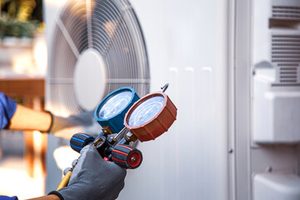
The heating, ventilation, and air-conditioning (HVAC) system in a building or home regulates indoor climate and provides thermal comfort for the building occupants. It is one of the largest energy consumers in schools.

An HVAC system includes an air handler and ductwork that distributes warm or cool air throughout the home. Ductless systems like mini-splits provide heating and cooling for individual rooms without connecting ductwork.

HVAC

HVAC systems are designed to control the temperature, humidity, and purity of air in a building or other space. They can be found in a variety of settings, including homes, schools, hospitals, and offices. An HVAC system is a complex network of components that take in air, cool or heat it, and blow the air into an indoor space.

Modern HVAC systems prioritize energy efficiency, which cuts down on energy bills and helps combat climate change. They also use advanced air filtration technologies to remove pollutants and pathogens from the air, which creates healthier living spaces.

The heating component of an HVAC system uses a heat pump or furnace to warm up the air, which is then blown through ductwork into multiple rooms in a building. It’s important to keep your ducts clean, as dirty ducts can cause your HVAC system to work harder and decrease its efficiency. It’s a good idea to have your ductwork washed every 2 to 5 years to keep them clean and prevent mold growth.

Most HVAC systems are powered by natural gas, electricity, or oil. Gas-powered systems are usually more efficient than oil-based units. If you choose a gas-powered system, make sure that your home is properly insulated to minimize energy loss.

When it comes to installing a new HVAC system, always hire a licensed professional. This ensures that your system is installed correctly and complies with local codes and safety standards. Additionally, a licensed technician will know how to service your system and perform repairs if necessary.

If you’re planning to sell your home in the future, a high-efficiency HVAC system can increase its value. It’s also likely to save you money on energy bills, which makes it an excellent investment.

Older HVAC systems often rely on refrigerants that have a negative impact on the ozone layer and contribute to global warming. However, newer systems typically use eco-friendly refrigerants with lower GWP values. This reduces the demand for raw materials and lessens the environmental impact of HVAC systems. In addition, some newer systems also incorporate solar energy into their design.

Cooling

The cooling system is the part of hvac that keeps homes and businesses comfortable. It consists of an air conditioner and ductwork to move the air. It also includes fans and blowers to circulate the air. This is all controlled by a thermostat that sets the temperature to match the environment. The heating and cooling systems are both powered by electricity.

The size and complexity of a HVAC system depends on several factors, including building type and climate. Smaller systems may consist of a basic furnace, air conditioner, and ductwork while larger buildings require more advanced systems that integrate multiple components.

An HVAC technician is trained to analyze a building’s energy use and design the most efficient system for it. In some cases, the technician may recommend a retrofit or replacement of existing equipment rather than installing a new system. A skilled technician will make sure that the air distribution system is designed correctly, and that a building’s electrical and mechanical systems are compatible with the HVAC equipment.

There are two main types of HVAC systems: centralized and decentralized systems. Centralized systems have primary equipment located in one place, while decentralized systems have the equipment in a number of places throughout the building or home. A central system is usually more expensive than a decentralized one, but it offers more flexibility and efficiency.

In addition to traditional heating and cooling systems, a HVAC technician can install or replace ventilation systems, air cleaners, and humidifiers. These devices help keep the air in your house healthy by adjusting its humidity and removing spores, bacteria, viruses, and other toxins. They can also reduce the amount of dust in your house, which will improve your indoor air quality.

In the United States, most people use natural gas or electricity to power their heating and cooling systems. Some people choose to use renewable energy sources, such as solar, wind, or geothermal, for their HVAC systems. Some also use smart technologies, such as zoning and connected thermostats, to increase their energy efficiency. These systems can even alert you to problems and notify your HVAC tech when it is time for maintenance.

Ventilation

Ventilation involves the movement of air around a building or room, either naturally through openings in walls and windows, or mechanically by fans. This system exchanges air between the indoor and outdoor environments, removing metabolic pollutants and controlling temperature and humidity.

HVAC is a broad field of technology that is constantly improving to better serve the needs of its occupants. The latest innovations are geared towards reducing energy consumption, which is the highest cost component of any building operation. Energy efficiency can also be achieved through innovative design techniques, such as passive solar heating and cooling.

In general, ventilation systems are designed to provide fresh, filtered air in areas where people spend most of their time. This helps to reduce dust and other contaminants that can lead to illness, and can improve comfort by lowering indoor temperatures. However, the need for ventilation varies from one location to another, and it is important to consider local weather conditions when designing a ventilation system.

Historically, HVAC design has focused on temperature control, but new technologies and environmental concerns have expanded the focus of ventilation to include a much wider range of issues. Building codes have been revised to address issues such as sustainable design, the conservation of natural resources and energies, indoor & outdoor air quality and many other societal values.

For example, some ventilation systems include filters that remove gases and volatile organic compounds from the air in schools. These filters, which require regular maintenance, can be used to reduce the amount of toxins in the ventilation system that are potentially harmful to occupants.

Other ventilation systems include a heat pump that can both heat and cool homes, using refrigerant to absorb and transport heat. These systems are designed to be as energy efficient as possible, and they often use a fan to circulate the warm or cool air throughout the home.

Other types of ventilation systems use air ducts to move conditioned air from an air handler to each living space. This system is usually filtered and humidified, and is ideal for maintaining comfort in older buildings that have been sealed tightly to save on energy costs.

Ductwork

The ductwork in your home plays an important role in heating and cooling. It carries air from your HVAC unit into the house, then back out through return vents and through supply vents to deliver conditioned indoor air. But because ducts are concealed beneath floors and behind walls, they can be difficult to inspect and determine their condition. Understanding how ducts work and what factors affect them can help you recognize problems such as dust buildup, odors, unexplained energy costs, uneven heating and cooling, and other symptoms.

Properly sized ductwork allows heated and cooled air to circulate throughout the house at an adequate velocity to maintain consistent temperatures. Insufficiently sized ducts can result in restricted air flow, increasing the load on your HVAC unit and making it work harder. They can also lead to hot or cold spots, as the vents leading to smaller rooms may not be proportionate to the size of the room.

Ducts can be made of a variety of materials, each with its own advantages and disadvantages. Sheet metal ducts are constructed of galvanized steel or aluminum and can be custom-cut to fit your home’s space. They are durable, long-lasting, and have a low weight to minimize air loss.

Fiberglass ducts are a cost-effective alternative to sheet metal. They are durable, lightweight and flexible, and have an interior lining to limit dust penetration. However, they tend to be less effective at preventing leaks and have a shorter life span than metal ducts.

Noninsulated flex ducts are cheaper and more flexible than metal ducts, but they have lower heat-retention capacities and are more prone to pest damage. They are available in many sizes and shapes, and can be fabricated to fit into tight spaces or around obstacles.

Leaky ducts lose a significant amount of conditioned air, increasing the workload on your HVAC system and reducing efficiency. Sealing and insulation can minimize this loss, but it’s essential to have a professional evaluate and repair your ductwork to ensure proper operation. Ducts that aren’t properly sealed and insulated can introduce contaminants into the home, requiring the use of air filters to remove them from circulation.

Journey to Self Betterment

Self Improvement Podcast provide a wealth of knowledge and inspiration, helping you to achieve a healthier mental state. By incorporating these podcasts into your daily routine, you can cultivate a positive mindset and develop effective strategies for overcoming challenges.

self improvement podcast

The School of Greatness is a wildly popular podcast from entrepreneur and author Lewis Howes. His interviews with successful guests inspire listeners to overcome obstacles and achieve success.

One of the best self improvement podcasts is The Tim Ferriss Show, which features interviews with successful people and focuses on finding out what makes them successful. It covers topics such as personal development, fitness, and mental health. Guests share their stories of how they overcame obstacles and reached success in their lives. The podcast is available on a variety of platforms, including Apple Podcasts and Spotify.

Founded by author and entrepreneur Tim Ferriss, this popular podcast discusses the habits and strategies that contribute to world-class performance. He has written several well-received books, including The 4-Hour Work Week and The 4-Hour Body. In addition, he is an investor and entrepreneur, and his podcast aims to help people improve their lives by identifying and adopting the right habits.

The podcast also focuses on helping listeners to achieve their goals by teaching them how to use a proven method for goal setting and accountability. It also encourages listeners to focus on the process and not just the outcome. Listeners are encouraged to experiment with different habits and routines to see what works for them. This self improvement podcast is a great way to stay motivated and focused on your goals.

Another popular self-improvement podcast is The School of Greatness, hosted by bestselling author Lewis Howes. In this podcast, Howes interviews a wide variety of entrepreneurs and business leaders to learn how they achieved success in their careers. The podcast also covers topics such as leadership, productivity, and personal development.

Florence Given is another entrepreneur who has created a successful self-improvement podcast. Her podcast focuses on topics such as relationships, sex, and social media, and has garnered a cult following for its bold content and no-nonsense approach. Known for her fast-talking style, Given has built up a loyal audience by catering to the needs of a young, millennial audience. Her episodes tackle a range of issues that are relevant to this demographic, including sex, body image, and feminism. In addition to her podcast, she has published a number of self-help books. These books have been critically acclaimed and have helped many women overcome challenges in their lives.

Lewis Howes

Whether you need a shot of courage before a big day at work or some inspiration when you’re stuck in a rut, self improvement podcasts can help you get on track and achieve your goals. These podcasts feature interviews with successful people and offer tips on how to make positive incremental changes in your life. They can also help you learn new skills and become more confident in yourself.

Unlike productivity influencers who encourage you to grind 24/7, self-improvement podcasts focus on balancing work and life. They offer a holistic approach to personal growth, with strategies for career advancement, leadership, and job satisfaction. They can also inspire you to take risks and pursue your dreams.

One of the most popular self improvement podcasts is The School of Greatness, which features long-form conversations with inspiring guests from a variety of fields. The show’s bestselling author Lewis Howes has interviewed a number of notable figures, including musicians, entrepreneurs, actors, athletes, and motivational speakers. His interview with former monk Jay Shetty explored the power of mindfulness and the importance of embracing vulnerability.

Another highly-rated self-improvement podcast is The Greatness Mindset, which offers insights on personal growth and success. Its hosts, Chloe Brotheridge and Lewis Howes, are hypnotherapists and coaches who specialize in high-functioning anxiety. The podcast covers a wide range of topics, from mental health to entrepreneurship. Its advice is based on scientific research and practical experience.

In addition to self-improvement, the podcast also explores a number of broader issues such as adversity and addiction. This is a must-listen for anyone interested in improving their lives. The podcast is free to download and listen, but you can subscribe to it on iTunes.

Self-improvement podcasts have exploded in popularity in recent years, and it’s easy to see why. They provide an engaging way to boost your productivity and learn new things while on the go. The best part is that they can transform your boring commute into a learning opportunity. However, self-improvement podcasts are not a replacement for therapy or professional help. For more information, visit Rephonic to find the top podcasts in your country based on popularity metrics such as listener numbers, social reach, and reviews.

James Altucher

Whether you need a shot of courage before a big day at work or need some inspiration when you’re stuck in a rut, self improvement podcasts can provide valuable advice and encouragement. They cover topics ranging from productivity strategies to mental health and mindfulness. These podcasts are a great way to spend your daily commute or other free time while improving yourself.

This podcast, from author James Altucher, explores various methods of personal growth. He interviews successful entrepreneurs and provides practical advice for achieving your goals. He also discusses how to find the right balance between work and life. Moreover, he talks about the importance of building a strong mindset. He also encourages listeners to pursue their passions and take risks.

The Self Improvement podcast is a unique take on the self-help genre. Hosts Jolenta Greenberg and Kristen Meinzer live by the rules of a different self-help book in each episode. The podcast has a refreshingly holistic approach to personal development, which is a welcome relief in a genre saturated with egotism.

This is a must-listen for anyone looking to boost their productivity. Guests on the show include business leaders, authors, and celebrities who share their experiences and provide tips for success. The podcast is organized by topic, so you can easily find the one that best suits your needs.

Psychologist Laurie Santos has a knack for translating psychological research into actionable self-improvement advice. Her podcasts break down complex ideas and research into easy-to-understand concepts. She also hosts a series of podcasts on specific topics, including parenting, entrepreneurship, and relationships.

Many self-improvement podcasts focus on career advancement and improving job satisfaction. They discuss topics such as leadership skills, work-life balance, and effective communication. Moreover, they offer tips for finding fulfillment in life outside of the workplace.

In addition to offering self-improvement tips, these podcasts are also helpful for boosting motivation and self-esteem. However, they should not be viewed as a replacement for therapy or professional help. Rather, they should be used as a supplement to your existing treatment plans.

In the era of short attention spans, many people are drawn to podcasts that provide quick and easy-to-follow guidance on personal development. In this category, podcasts such as TED Talks and The Tim Ferris Show are popular choices. Other notable podcasts include The Calmer You Podcast and The Huberman Lab.

The Minimalists

If you’re looking to live a more meaningful life, then this podcast is for you. The Minimalists, Joshua Fields Millburn and Ryan Nicodemus, promote a minimalist lifestyle through their blog, podcast, and books. They offer helpful tips for newbies and veterans alike to improve their lives with less clutter and more purpose. Their podcasts cover a wide range of topics, from simplifying for newbies to decluttering slowly over time. They also discuss issues like limiting spending, processing loss, and letting go of false identities.

Self improvement requires a lot of dedication and hard work. However, listening to these podcasts can help you get the guidance and motivation you need to achieve your goals. They are an excellent choice for commutes, workouts, or any other time you want to improve yourself. Many of these podcasts are available on all major platforms, so you can listen wherever you want.

This popular podcast features conversations between the hosts and various thought leaders and therapists about personal development, mental health, and wellness. Its compassionate and practical advice can help you overcome anxiety and create a healthier, more fulfilled life. Its approachable style demystifies emotional challenges, making it easy for anyone to understand and follow.

In addition to being informative, this podcast is incredibly entertaining. The host, Jolenta Greenberg, and co-host Kristen Meinzer take a unique approach to self-improvement by living by the rules of a different book each week. By the end of each episode, they reflect on their experience and how it has changed them. The episodes are a hilarious look at the self-help genre and provide useful tips for improving your life.

This podcast is a great way to learn more about personal growth and mindfulness, and it offers an excellent introduction to the practice of meditation. It has a variety of guest speakers who are experts in the field, and each episode provides an array of tools and strategies to improve your daily life. The podcast is free to download and listen to, but you can donate to the hosts if you enjoy it.

What is Car Detailing?

Car Detailing is a cosmetic cleaning process that can greatly increase your car’s resale value. However, it is important to note that detailing does not address mechanical issues or repair problems.

car detailing

A professional detailer will use a variety of products to thoroughly clean the surface of your vehicle. These will include cleaning chemicals, polishes, clay bars and more.

Car Detailing is the process of cleaning, polishing and protecting a vehicle inside and out. It’s a meticulous job that requires special training, equipment and tools. The art of detailing takes years to master, and it’s not for DIYers! It’s easy to damage your vehicle if you don’t follow the proper procedures and use the right products. It’s also important to understand that it’s not just about removing dust, dirt and smudges from the exterior or interior of a car; it’s about restoring the paint, waxing the finish and shielding the vehicle from harmful UV rays.

The first step is to evaluate the condition of the car and its interior and exterior surfaces. This includes assessing the color, luster and clarity of the car’s paint, as well as the quality of the interior upholstery. A thorough clean of a vehicle’s interior is a key part of detailing, and that usually includes shampooing the carpets, steam cleaning the seats and vacuuming the upholstery. Depending on the client’s preferences, the vehicle may also be polished, sealed and waxed.

In addition, a professional detailer may add protective coatings to the car, such as ceramic coating or PPF (paint protection film). These products and services help protect the vehicle from rock chips, small scratches, acid rain, mineral deposits, UV rays, and other environmental factors. Depending on the customer’s preferences, they can be applied as a standalone product or as an alternative to wax.

Aside from the equipment and supplies, a car detailer must also invest in a detailing business platform that automates routine tasks and lets them track key business metrics in real time. This will help them make more money, improve their customer service and reduce the time they spend on administrative duties. A good choice is a mobile detailing app like Mobile Tech RX, which enables detailing professionals to stay organized and increase profitability by tracking their customers, work orders, finances, auto detailing supplies, cleaning products, and more. With a mobile detailing app, a car detailing business can operate from a fixed location or offer on-demand services by performing car detailing jobs from a van.

The Tools

The right tools can make all the difference when it comes to car detailing. There are a variety of tools and equipment that can help with different tasks, from removing tough stains to polishing paintwork. Having the right tool for each job will help you save time and improve your results. For example, a carpet and upholstery extractor will help you remove dirt and stains more quickly than a brush and soapy water. And a foam cannon will allow you to shampoo an entire vehicle quickly and easily.

There are many other car detailing supplies that you will need to have, including brushes for scrubbing and rinsing. Some are designed to reach hard-to-reach areas like air vents or dash seams, while others are meant for more delicate surfaces such as paintwork or chrome trim. Microfiber cloths are also essential, as they are designed to dry surfaces without scratching them.

Another important item is a high-quality vacuum cleaner, which will be used to quickly and thoroughly remove dust and debris from the interior of the car. A portable one is a good choice, as it will be easy to move around the vehicle and get to those difficult spots. An air compressor can also be useful, as it can be used to blow debris out of crevices and spray water off surfaces.

Other tools that you may need include a paint thickness gauge, which can be used to identify thin or damaged areas of the paint and prevent further damage. A buffing machine with foam or microfiber pads will give you professional-level results, and a dremel can be used to remove stubborn scratches.

Finally, a car detailing LED light is a must-have for anyone who wants to do their work in low lighting conditions. These specially designed lights can be clamped or magnetically attached to the car, and they will provide a bright and focused beam of light that makes it easier to see the detail work you are doing. A water containment mat is also a must-have, as it helps to capture chemicals, water, grease, and dirt for responsible disposal.

The Chemicals

There is no one-size-fits-all cleaner or complete car detailing product available (despite what you may have seen on an infomercial). Detailing chemicals are all made of a collection of different ingredients that are formulated to do specific tasks, such as cleaning, decontamination, clay lubrication and polishing. They come in many varieties for a range of applications, from all-purpose cleaners to presoak chemicals and tire dressings and shines.

All-purpose cleaners are designed to loosen soils and allow them to be rinsed away, while also being gentle enough not to damage surfaces. All-purpose degreasers remove organic contamination, such as engine and transmission oils, baked-on road tar and bug splatter. Wheel and tire cleaners are highly effective at removing brake dust, grease, oil and other contaminants. Clay lubricants and detailers are soft putty-like materials that break up bonded contaminants on the surface of the paint, then trap them in its pores, making it easier to wipe away or buff them away.

Wheel protectants are polymer and/or oil-based products that add exceptional shine to the wheels while also creating a protective barrier that makes future wheel-cleaning applications much easier. Paint protectants and sealants sterilize the clear coat of the vehicle’s paint, preventing any contaminants from adhering to it in the future.

Depending on the type of car detailing service you provide, you may also need specialty chemicals like clay bar lube, glass protectants and waxes. These extras help you take your results to the next level while also keeping your customers satisfied with their vehicle’s finish. The right mix of chemicals can make or break your business.

The Process

Car detailing is far more than a quick trip to the car wash or a simple wipe down of the interior. It’s a meticulous process that makes your car look almost brand new. It includes an intense cleaning, a buffing and polishing of the paint, and even some protection to prevent future damage. A professional detailer can make your vehicle look and feel like a new ride, even if it’s been in service for decades.

There are several different types of detailing available, but the most common is the full-service detail. This is a thorough clean of every surface inside and out, including the tires, wheels, chrome trim, and dashboard. It may also include an interior vacuum and shampoo, a clay bar, rim cleaning, wheel brightening, and a coat of wax or sealer to protect the finish. In addition, a detailed car can be deodorized and sprayed with a scented product to give it that “new car” smell.

For a car detailer, the best way to increase business is by providing a high-quality, comprehensive job that customers will rave about. This will earn repeat business and referrals. It’s important for detailers to have the tools they need to do the job correctly and efficiently, but they should also be aware that it takes a while to remove months or years of built up dirt. A good detailer will let customers know how long it will take to complete the work and will make sure they are comfortable with the process.

Once a business is established, it’s a good idea to start with set packages and prices for the services that are most popular. But, once you get experience, it’s important to be able to adjust pricing for each car based on its condition. That’s why many detailing businesses use a mobile app that lets them keep track of their packages, pricing, and estimates.

The Importance of Working With an Auto Accident Lawyer

Auto accident lawyer can lead to serious injuries and expensive medical treatment. A skilled auto accident attorney can help you recover compensation for your losses.

They investigate the details of your accident, interview witnesses, and gather evidence. They also know how to negotiate with insurance companies and prevent them from undervaluing your claim.

auto accident lawyer

In addition to paying for medical bills and lost wages, victims can also recover compensation for their pain and suffering caused by the accident. This type of damages, which is often referred to as non-economic damage, covers the pain and anguish the victim has endured as a result of their injuries or the death of a loved one.

Pain and suffering is difficult to quantify because it is heavily influenced by personal tolerance levels and emotions. However, a skilled lawyer can use a victim’s testimony and documentation to help substantiate the severity of their injuries. Having a New York car accident attorney on your side is important because insurance companies are notorious for undervaluing victims and minimizing the extent of their losses.

Physical pain and suffering consists of any immediate injuries the victim suffers as a result of the crash, including any ongoing treatment they may require for their injuries. It can also include any injuries that are not apparent immediately after the collision but become noticeable at a later time. For example, a victim may experience a fractured arm that requires weeks of physical therapy to heal and back pain that is not evident in the emergency room but only becomes pronounced after a few days.

Emotional pain and suffering includes mental distress and loss of enjoyment of life that the victim experiences as a result of the accident. It can include feelings of anger, depression, shock, and other mental health issues like post-traumatic stress disorder (PTSD).

A good car accident lawyer will be able to demonstrate the extent of your emotional suffering and mental anguish by using documented evidence. This can include written statements from friends and family members regarding how your injuries have affected their relationship with you or your inability to pursue hobbies and interests. It is also worth keeping a journal of your injuries so you can provide detailed details about the impact they have had on your daily life.

An auto accident lawyer will be able to determine the maximum amount of compensation you should receive for your injuries and losses, including future loss of earnings. This will be based on a thorough examination of the facts and details of your case, a careful assessment of liability, and negotiation with the at-fault party’s insurance company or their lawyers if necessary.

Medical Expenses

Car accident victims often incur medical bills as a result of their injuries. These bills are a major reason why it is important to contact an experienced auto accident attorney promptly following a crash. The lawyer can help ensure that medical bills are paid in a timely manner, and will fight for maximum compensation to cover future medical expenses as well.

Insurance companies often dispute car accident medical bills. This can be due to a number of factors, including misunderstandings, lack of information, or incorrect interpretations of the facts. Disputes can be resolved through open communication and by providing clarifying information that reassesses the situation accurately. It is also essential that any information provided to insurance adjusters is recorded and documented, so that the details are accurate.

The at-fault driver’s insurance company typically pays medical expenses related to a crash, but the victim can also pursue compensation from their personal health care or automobile insurance policies. Some automobile insurance policies offer medical payment coverage or a specific provision for accident-related medical expenses, and these may cover the costs of treatment as they accumulate. Other insurance options include uninsured/underinsured motorist coverage, and these cover medical expenses regardless of who was responsible for the crash.

Medical bills can be overwhelming and debilitating for a victim, and it is common to delay or avoid seeking medical treatment due to financial concerns. An experienced accident attorney can ensure that the victim accesses adequate medical care and receives proper treatment to maximize their recovery of damages from the negligent party.

It is important that the victim provides accurate and complete documentation of all medical treatments, including their diagnosis, procedure code, and estimated length of stay in the hospital. This will enable the insurance company to identify and calculate all medically necessary treatments. The injured person must also provide a detailed listing of all medications they are taking, as well as their dosages and frequency.

The insurance company will review the policy to verify that the medical expenses claimed are covered under the terms of the policy. This includes evaluating whether the claim is subject to any deductibles or copayments, and considering policy limits and any restrictions or exclusions.

Lost Wages

When car accident injuries prevent you from working, it can be financially devastating. The good news is that you are entitled to compensation for your lost income, as well as other damages like pain and suffering. The key is to keep detailed records of your lost wages, and work with an experienced car accident lawyer to ensure that your claims are fairly compensated.

The first step in calculating lost wages is to determine your pre-accident earnings. You can do this by submitting pay stubs and other wage documents. It is also important to include overtime, performance bonuses and other employment perks in your calculation of lost income.

You should also consider sick days and vacation days that you have used as a result of your injuries. You are entitled to reimbursement for those days, and your lawyer can help you get it.

Depending on your injury and the amount of time that you have missed from work, the insurance company may offer you a settlement for your lost income. This amount will typically be less than your actual lost earnings. However, your lawyer can assist you in presenting compelling evidence to show that you are owed more compensation.

In some cases, you may be able to recover compensation for your future lost earnings as well. This is especially true if your injuries are severe and prevent you from returning to your previous occupation, or if you can only return at a lower paying position. To calculate your future lost earning capacity, it may be necessary to involve a forensic economist or other expert witness.

In Florida, a no-fault state, injured accident victims can recover up to $10,000 of their lost income through their personal injury protection (PIP) coverage, regardless of who was at fault for the car accident. For people who have sustained serious injuries and cannot use PIP, or whose medical expenses exceed the policy limit, it may be possible to file a liability claim against the at-fault driver for their negligence. However, this option will likely require proof that the other driver has sufficient coverage to pay for your losses.

Property Damage

In many cases, the property damage portion of your car accident claim is just as important as your personal injury claim. Requesting compensation for your property damages can help you pay your bills and move forward from the crash.

An auto accident lawyer can help you understand what damages you may be eligible to receive and how to calculate them. They can also negotiate with the insurance companies to get you fair compensation for your losses.

When calculating your property damage, an attorney takes into account not only immediate costs such as repair or replacement expenses but also the impact on your life in the long term. This includes evaluating current and future medical treatments, the impact on your ability to work, and the emotional impact of your injuries.

If the at-fault driver does not have collision coverage, you may need to use your own car insurance for property damage. This is because New York’s no-fault laws prevent the at-fault party’s insurer from covering your vehicle repairs. In these situations, your car accident lawyer can file a property damage claim with your own insurer while simultaneously pursuing the other driver’s insurer for your recovery through the personal injury claims process.

Your lawyer can also pursue compensation for items inside your car that are not directly related to the accident such as books, textbooks, laptops, cell phones, and other electronic devices. Sentimental items, such as antiques or heirlooms, can be included in your property damage claim.

Depending on the type of property damage, you may be entitled to compensation for the diminished value of your vehicle. This is based on either the cost of repairing your vehicle or its Blue Book value before the accident. If you choose to repair your vehicle, then your property damage lawyers will take the repair bill into account when calculating your diminished value award.

If you were involved in a car accident and suffered property damage, then it is essential that you speak with an experienced car accident lawyer immediately. An initial consultation can give you a sense of an attorney’s dedication and approach as well as whether or not they are a good fit for your case. Most car accident attorneys work on a contingency fee basis, which means that they only collect their fees if they successfully win or settle your case.

Natural Ingredients in Fluoride-Free Toothpaste

While shopping for toothpaste, you’ll see formulas with and without fluoride. Those that do not contain fluoride typically offer gentle abrasives and natural ingredients like tea tree oil or xylitol to clean teeth, reduce biofilm, and freshen your breath.

toothpaste

Fluoride is a naturally occurring mineral that strengthens tooth enamel and helps prevent cavities. However, some choose not to use it due to sensitivity or concern about fluorosis and other health concerns.

Coconut oil is an amazing natural product with so many benefits. It is a healthy alternative to the typical toxic products used in our daily lives. This fluoride free toothpaste uses coconut oil and other essential oils to clean your teeth, gums and breath. It is also a natural remedy for mouth infections, as it naturally kills bacteria in the mouth and prevents plaque build-up. It has a fresh and pleasant coconut taste and is very easy to use.

The fatty acids in coconut oil are known as medium chain triglycerides. These triglycerides are used by the body to produce energy and have antimicrobial properties. This is why it is so beneficial for your oral health, as it protects against tooth decay and can even help with a sore throat. It is also known as a powerful anti-inflammatory and may help with weight loss.

Many brands are now incorporating this natural ingredient into their products. For example, Hello has a vegan oral care line with coconut oil as one of the main ingredients. Desert Essence and Jason have also come out with products that include it, such as fluoride-free toothpaste and mouth wash. They also have a toothpaste that is formulated specifically for sensitive teeth.

Some of these products are made with organic coconut oil, while others are derived from refined coconut oil. Both of these types have their own benefits and drawbacks, so you should choose a product that fits your needs. You should also look for a brand that is free of artificial flavors and colors.

It is important to note that although coconut oil is considered a healthy fat, it does contain saturated fats. Regularly consuming foods containing coconut oil can increase cholesterol levels. It is important to consult a doctor before using this product if you have high cholesterol or are pregnant or breastfeeding.

This fluoride free toothpaste is formulated with organic coconut oil, zinc citrate and pure Australian tea tree oil. It helps to keep your mouth and gums clean by removing impurities, while also protecting against plaque and tartar build-up. It is flavored with a combination of peppermint, wintergreen, and cinnamint to leave your breath fresh. It is suitable for adults and children.

Aloe Vera

Aloe vera is a common ingredient in fluoride-free toothpastes, as it can help whiten teeth and soothe gums. It can also provide a protective barrier against acids that damage enamel. Besides being an effective oral cleanser, aloe vera can also reduce bacteria and prevent bad breath. Some aloe vera toothpastes contain mild abrasives to remove surface stains, but be sure to look for those that don’t include SLS (sodium lauroyl sulfate), which can irritate sensitive gums and mouth.

Aside from reducing plaque and fighting tartar, the antioxidants found in aloe vera can promote remineralization of tooth enamel, ensuring that teeth are stronger than ever before. Many products use aloe vera as the primary whitening agent, while others add it to a formula with other ingredients.

When looking for a natural toothpaste with aloe vera, it’s important to check the label and make sure the product contains only pure aloe vera juice. Also, be sure to avoid toothpaste that contains other foaming agents, as these can irritate sensitive gums. You can even find a formula that doesn’t have any type of abrasive to remove stains and polish the teeth.

Some aloe vera toothpastes also include natural remineralizing agents like glycerin, silica, and vegetable charcoal. These are often combined with a blend of natural oils and botanical extracts, including peppermint, clove, fennel, chamomile, myrrh, and propolis. This helps ensure that the toothpaste is formulated with ingredients that will be beneficial to your mouth and teeth.

Another benefit of using aloe vera in a toothpaste is its ability to provide a naturally smooth and soft texture. This makes it more comfortable to brush and can reduce gum sensitivity. This can lead to a healthier, happier mouth, which is why this ingredient is so popular in natural toothpastes. You can buy fluoride-free toothpastes with aloe vera from specialty stores or online. Cinoll also offers private labeling for customized aloe vera toothpaste, so you can create a toothpaste that is unique and matches your preferences and dental needs. For example, you can choose the type of packaging, formula, and color that you want for your toothpaste.

Xylitol

Xylitol is a natural sweetener and unrefined carbohydrate found in plants like birch trees, hardwoods, and some fruits. It has a lower glycemic index than regular sugar and is less damaging to teeth. It also has a lower impact on blood sugar levels, which makes it an excellent choice for diabetics and people with low-carb diets. It’s a popular addition to oral health care products like toothpaste because it doesn’t promote tooth decay by feeding bacteria the sugar they need to survive.

This fluoride-free toothpaste contains a blend of 70 percent organic ingredients, including coconut oil and stevia. It also contains tea tree and clove essential oils to keep your mouth, gums, and teeth clean and healthy. The toothpaste doesn’t contain any synthetic foaming agents, which means you’ll get a pleasant minty taste without the chemical burn. Its high Xylitol content makes it ideal for fighting cavities and keeping your breath fresh.

While xylitol is generally considered safe for most adults, it can cause some side effects in rare cases. These include gastrointestinal discomfort like bloating, gas, and diarrhea if the product is consumed in large amounts. It is important to read labels carefully and avoid xylitol-containing gums, mints, and other products if you have known allergies or sensitivities.

This toothpaste is made from a blend of wholesome ingredients that are clinically proven to promote oral health. It contains no artificial colors or flavors and has a neutral pH of 7.0, which helps prevent enamel erosion. It’s formulated with natural xylitol, a non-GMO sweetener that has antibacterial properties. It also contains a blend of probiotics that help keep your gums healthy and strong. It’s free of fluoride, SLS (synthetic surfactants that create that bubbling foaming texture), and artificial preservatives. It’s an ideal toothpaste for kids and adults. It’s recommended that you brush your teeth twice a day with a pea-sized amount of the toothpaste.

Peppermint Oil

A popular natural ingredient, peppermint oil is a powerful antibacterial and antimicrobial agent. It also has a fresh, minty taste and is often used to help improve breath. Many natural toothpastes use peppermint oil in their recipes to leave your mouth feeling clean and refreshed.

Another commonly found natural ingredient is eucalyptus globulus. This oil has antibacterial properties that can help kill bacteria and prevent infections in the gums. It’s also known to reduce inflammation and soothe the mouth and gums.

Many natural toothpastes also contain ingredients like baking soda, which can help to scrub away plaque and stains. Others use natural clay that has anti-inflammatory properties and can help remove toxins from the mouth. Some natural toothpastes even use licorice root, which has antioxidant properties to help protect the teeth.

While natural toothpastes can be effective at removing stains and cleaning the teeth, they don’t always have the same cavity-fighting abilities as fluoride-containing toothpaste. According to the Centers for Disease Control and Prevention, there is substantial evidence that fluoride helps prevent tooth decay by strengthening tooth enamel. Unfortunately, some consumers who are concerned about the safety of fluoride have begun to choose natural “fluoride-free” toothpastes.

These types of products may be sold in natural health stores or online and are marketed as providing the same benefits as traditional toothpaste. However, they do not have the same level of clinical support for improving oral health, preventing tooth decay or strengthening teeth as toothpaste containing fluoride.

Instead, some natural toothpastes contain ingredients like calcium carbonate and silica to clean teeth and prevent plaque build-up. They may also include xylitol to fight cavities and provide fresh breath. Others use natural ingredients like coconut oil, peppermint oil and sage to nourish the gums. Some natural toothpastes also use clay to help cleanse the teeth and prevent tartar build-up while others use abrasive particles like ground nutshells or walnut shells to polish the teeth.

Natural toothpastes containing these ingredients are typically made in small batches and sold directly to customers in glass jars. This can help to lower waste and provide a more personalized experience. Those who purchase this type of natural toothpaste will have to dip their toothbrush into the jar to brush and will have to store the jar in the refrigerator, which can be a hassle.

Navigation