Power Wash: The Complete Guide to Restoring Surfaces and Boosting Curb Appeal

Power Wash

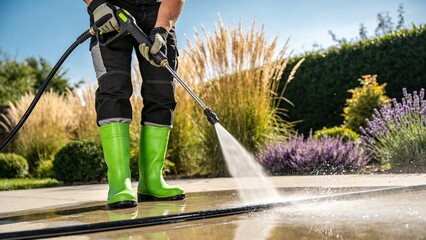
There is something deeply satisfying about watching years of dirt and grime disappear in seconds. A dull driveway suddenly looks bright again, a weathered wall regains its original color, and surfaces that once seemed beyond repair come back to life. Power washing has become one of the most effective and efficient ways to clean and restore a wide range of surfaces, making it a valuable tool for both maintenance and transformation.

Power washing, also known as pressure washing, uses high pressure water to remove dirt, mold, mildew, and other contaminants from surfaces. It is widely used in residential, commercial, and industrial settings because of its ability to deliver fast and noticeable results. Understanding how Windsor Power Wash works and when to use it can help maintain the appearance and longevity of different materials.

Understanding How Power Washing Works

Power washing relies on a high pressure stream of water to break down and remove stubborn debris from surfaces. The equipment typically includes a motor that powers a pump, which increases the pressure of the water before it is released through a nozzle.

The pressure level can be adjusted depending on the type of surface being cleaned. Softer surfaces require lower pressure to avoid damage, while harder surfaces can handle higher levels of force. This flexibility allows power washing to be used in a variety of applications.

Some systems also incorporate heated water, which can improve cleaning effectiveness by breaking down grease and tough stains more easily. The combination of pressure and temperature makes power washing a powerful cleaning method that goes beyond what traditional cleaning techniques can achieve.

Common Surfaces That Benefit From Power Washing

Power washing is suitable for many types of surfaces, making it a versatile cleaning solution. Driveways and sidewalks are among the most common areas treated with power washing. These surfaces often accumulate dirt, oil stains, and debris that can be difficult to remove by hand.

Exterior walls and siding also benefit from this process. Over time, exposure to the elements can cause buildup of dust, mold, and mildew. Power washing helps restore the original appearance and prevents long term damage.

Decks and patios are another key application. Wooden and concrete surfaces can become discolored and slippery due to moisture and organic growth. Cleaning these areas improves both appearance and safety.

Fences, roofs, and outdoor furniture can also be cleaned using power washing techniques. Each surface requires the appropriate pressure and method to ensure effective cleaning without causing harm.

The Difference Between Power Washing and Pressure Washing

While the terms are often used interchangeably, there is a slight difference between power washing and pressure washing. The main distinction lies in the use of heated water.

Power washing typically uses hot water, which is effective for removing grease, oil, and heavy stains. The heat helps break down substances that may not respond well to cold water alone.

Pressure washing, on the other hand, uses high pressure water without heat. It is still effective for general cleaning tasks and is commonly used for residential applications.

Understanding this difference can help determine which method is best suited for a specific cleaning task. In many cases, both approaches can achieve excellent results when used correctly.

Benefits of Regular Power Washing

Regular power washing offers several benefits that go beyond surface level cleaning. One of the most noticeable advantages is improved appearance. Clean surfaces enhance the overall look of a property and create a more welcoming environment.

Another important benefit is the prevention of damage. Mold, mildew, and algae can cause deterioration over time if left untreated. Removing these contaminants helps protect surfaces and extend their lifespan.

Power washing also contributes to health and safety. Slippery surfaces caused by algae or buildup can increase the risk of accidents. Cleaning these areas reduces hazards and creates a safer environment.

In addition, maintaining clean surfaces can increase property value. A well maintained exterior reflects care and attention, which can be appealing to visitors or potential buyers.

Choosing the Right Pressure and Technique

Using the correct pressure and technique is essential for effective and safe power washing. Different materials require different approaches to avoid damage.

Hard surfaces such as concrete and stone can handle higher pressure levels, allowing for deep cleaning of stubborn stains. Softer materials, such as wood or painted surfaces, require lower pressure to prevent chipping or erosion.

The choice of nozzle also affects the outcome. Narrow nozzles produce a more concentrated stream, while wider nozzles distribute the pressure over a larger area. Selecting the appropriate nozzle helps achieve the desired results.

Proper technique involves maintaining a consistent distance from the surface and moving the spray evenly. This prevents uneven cleaning and reduces the risk of damage.

Understanding these factors ensures that power washing is both effective and safe.

Environmental Considerations and Water Usage

Power washing can have an environmental impact if not managed properly. Water usage and runoff are important factors to consider during the cleaning process.

Using eco friendly cleaning solutions can help minimize environmental harm. These solutions are designed to break down contaminants without introducing harmful chemicals into the surrounding area.

Managing runoff is also important, especially when cleaning areas with oil or chemical residue. Proper disposal methods help prevent contamination of nearby soil and water sources.

Efficient use of water can reduce waste while still achieving effective cleaning. Adjusting pressure levels and using the right equipment can make the process more sustainable.

By taking these considerations into account, power washing can be performed in a responsible and environmentally conscious manner.

When to Schedule Power Washing

Timing plays a role in the effectiveness of power washing. Regular maintenance schedules help keep surfaces clean and prevent buildup from becoming difficult to remove.

Seasonal cleaning is a common approach. Many people choose to power wash in the spring or early summer to remove dirt accumulated during colder months. This prepares surfaces for increased outdoor use.

After storms or heavy weather, power washing can help remove debris and restore surfaces. It is also useful before painting or refinishing, as it creates a clean base for new materials.

The frequency of power washing depends on factors such as location, weather conditions, and the type of surface. Regular assessment of surfaces can help determine when cleaning is needed.

Final Thoughts

Power washing is a powerful and efficient method for maintaining and restoring a wide range of surfaces. Its ability to remove dirt, stains, and contaminants quickly makes it an essential tool for both residential and commercial care.

By understanding how power washing works and applying the right techniques, it is possible to achieve impressive results while protecting surfaces from damage. Regular maintenance not only enhances appearance but also extends the life of materials and improves safety.

Whether used for routine cleaning or major restoration, power washing offers a practical solution that combines effectiveness with convenience. With proper care and attention, it can help keep spaces looking clean, fresh, and well maintained for years to come.
Roof Repair for Tile and Shingle Roofs

roofers

Tile roofs require more precise handling and higher labor rates that affect repair prices. They also need regular inspections and maintenance to avoid extensive damage that requires more costly repairs in the future.

Small cracks on tile surfaces respond well to roofing adhesive, but extensive damage or large surface areas may need replacement tiles. Regular roof inspections can catch these problems early so that leaks don’t occur. Contact West Seattle Roofing for more details.

Tile Repair

Tile roofs are beautiful and durable, but they aren’t immune to damage. Like any roofing material, they need proper care to protect the integrity of the structure and minimize water infiltration. The type of repair required, however, depends on the roof’s age and location. Tile repairs tend to cost more than shingle repair jobs because the materials and labor are more specialized. The extent of the damage and other factors also affect the final cost of repair.

Common issues with tile roofs include cracked or broken tiles from impact or heavy weather, loose or slipped tiles from poor installation or shifting over time, and leaks from moisture infiltration. In addition, moss and algae growth can create slippery conditions or damage the tiles below. Repairing these problems promptly protects the roof from further damage and prevents water infiltration.

To repair cracked or damaged tiles, first clean the area and remove any debris such as leaves or twigs that may have collected. Then, apply a waterproof sealant to the entire surface. For a small crack, use a roofing adhesive to connect the edges of the damaged tile, making sure they’re securely joined. If the crack is too large for a filler, replace the tile with a new one. Position the new tile carefully, then secure it with roofing adhesive or caulking.

Like tile, shingle roofs are vulnerable to the same types of damage, but they can experience more frequent repairs because the materials break down faster due to weather and sun exposure. Fortunately, the lifespan of shingles is longer than tile roofs, so the repairs can be less expensive overall.

Regular maintenance of a shingle roof includes cleaning gutters to prevent clogs and keep water from backing up under the shingles, trimming back tree limbs that hang over the roof to reduce debris buildup and impact damage, and scheduling regular inspections with a qualified roofing contractor to identify minor issues before they become serious. Inspecting the roof after every storm is important, along with addressing any underlying issues that might contribute to water infiltration or structural damage.

Shingle Repair

Like tile, shingle roofs are susceptible to damage and must be repaired. However, shingle repairs tend to be less costly than tile. This is due to a combination of factors, including the type of roof, materials, and geographic location. Additionally, tile is heavier and requires a strong roof structure, while shingles are manufactured from cost-effective asphalt and fit more home styles.

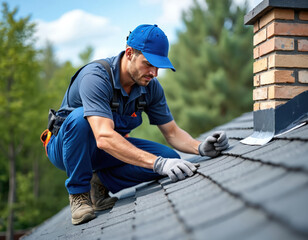
Shingles are more likely to show wear in small ways, such as curling from heat or moisture. These issues can be addressed by applying a coating to prevent further deterioration. The most common shingle repair is replacing damaged or missing shingles. If left unchecked, these small issues can lead to leaks and other structural problems.

The best way to identify shingle damage is by conducting regular roof inspections, at least twice a year, preferably in spring and fall. These inspections can help spot bald spots, missing shingles, and other potential issues before they become more serious. Before attempting any roof repair, make sure the ladder is stable and that you’re working in safe conditions. If the roof is accessible, carefully lift the surrounding shingles with a pry bar and remove any nails that hold the damaged shingle in place.

Cracking, tearing, or blistering shingles are more serious problems that may require roof replacement. These issues are often caused by extreme weather events or aging, but they can also result from improper installation or excessive heat exposure. If you see shingles that are in this condition, contact a professional for an estimate on replacement costs.

A shingle roof can also become loose or damaged by tree branches and debris, making it more prone to leaks and other structural problems. This is why it’s important to regularly trim overhanging branches and keep your gutters clear. In addition, a well-ventilated attic and properly functioning skylights can also improve shingle durability. The most important thing is to act quickly when you notice any roof damage or signs of deterioration. This can help you save money, avoid structural problems, and extend the life of your roof.

Flashing Repair

The flashing on a tile roof is a crucial part of the protection system. It seals the gap between the tiles and the underlayment, preventing water leaks. Regular inspection and maintenance of the flashing can extend its lifespan, reducing future repair costs and preventing water damage to the home below.

Tiles themselves may break or crack due to a variety of reasons, such as heavy rains or wind-driven debris. These issues often require the attention of a professional. If the extent of the damage is extensive or the roof requires structural repair, it will likely be more cost-effective to hire a roofing contractor for a full inspection and complete repair.

To determine if a cracked tile can be repaired with adhesive or needs replacement, carefully lift the surrounding tiles to access the damaged area. If the crack is small and isolated, it may respond well to a coating of adhesive; however, deeper surface cracks or multiple broken tiles will need to be replaced. Once the cracked tile is removed, clean the area thoroughly to remove dirt, dust, and any remaining adhesive. Then, apply a liberal coat of roofing cement over the affected area and press it firmly in place. Use a trowel to smooth out any excess cement for a seamless finish. Allow to dry before inspecting your work.

It is important to inspect a tile roof at least twice a year for any signs of damage or deterioration. During these visual inspections, look for loose or missing tiles, cracks in the grout, and damaged or corroded flashing. You should also check that the roof is draining properly and that gutters are free of debris and obstructions.

It is common for vents to become dislodged or cracked over time, allowing water to seep into the roof and cause damage. If your tile roof has a damaged or deteriorated vent, it’s important to replace it promptly to prevent leaks. To do this, first remove any debris that has accumulated around the vent. Then, carefully re-secure or replace the vent and apply a waterproof caulking to create an extra layer of defense against water penetration.

Underlayment Repair

While shingles and tiles may be the most visible components of roofs, the layer beneath them, known as underlayment, is vital to longevity. Underlayment protects the roof structure from moisture penetration, which is especially critical in Severance, where extreme summer heat and daily temperature fluctuations can stress materials and create leaks. Extending the life of a tile or shingle roof hinges on two key practices: the right type of underlayment and precise installation. The underlayment’s courses should overlap sufficiently, creating a seamless barrier impenetrable by water; this meticulous approach to installation is non-negotiable.

It’s also essential to perform routine inspections and address any deterioration or wear before it leads to costly water damage in the future. Performing tile roof repairs promptly can save homeowners from expensive and disruptive leaks.

Repairing damaged or dislodged tile is a simple process, though there are some crucial factors to keep in mind. The first step is to inspect the roof and look for warning signs like brittleness, tears, and water stains. The next step is to clean the area and apply roofing cement. Finally, place the replacement tile in place, ensuring it aligns with its neighbors and doesn’t cover any cracks or holes.

Another critical part of the repair process is to caulk around roof penetrations, such as vents. This helps prevent leaks that can occur when the sealant deteriorates over time. Start by cleaning the area around the vent and removing any dirt or debris. Then, apply a generous coat of caulking to the surface and smooth it out using a putty knife or caulk gun.

In addition to a thorough inspection and timely repair, a comprehensive tile roof maintenance plan includes cleaning, regular maintenance, and professional repairs. By taking the proper precautions and enlisting help from knowledgeable professionals, homeowners can ensure their roof is in good shape to withstand the challenges of Severance’s weather.

Insulation Contractors Guide: Why Professional Insulation Installation Matters for Your Home

Insulation

Imagine living in a home where every room feels consistently comfortable throughout the year. The temperature remains stable, the air feels balanced, and your heating or cooling system does not have to constantly run just to keep things comfortable. Many homeowners assume this kind of efficiency comes only from advanced heating or cooling systems, yet the real key often lies in the home’s structure itself.

Insulation plays a powerful role in controlling how heat moves in and out of a building. When insulation is properly installed, it creates a barrier that slows heat transfer and keeps indoor spaces comfortable regardless of outdoor conditions. However, achieving this level of performance requires more than simply adding insulation materials. Proper planning, correct placement, and professional installation are all essential. This is where Houston Insulation Contractors become important. These professionals specialize in evaluating insulation needs, selecting appropriate materials, and installing insulation in a way that supports long term comfort and efficiency. Understanding what insulation contractors do and why their work matters can help homeowners make informed decisions about improving their homes.

What Insulation Contractors Do

Insulation contractors focus on improving the thermal performance of buildings by installing materials that resist heat transfer. Their work involves identifying areas where heat may enter or escape and placing insulation in those locations to create a more stable indoor environment.

Most homes contain several areas where insulation plays a critical role. These areas include attics, exterior walls, crawl spaces, ceilings, and floors. Insulation contractors evaluate each of these spaces to determine how well the current insulation is performing.

If insulation is missing, damaged, or insufficient, contractors recommend solutions that restore or improve thermal protection. This may involve adding new insulation, replacing older materials, or sealing gaps where air can move through the structure.

Insulation contractors also consider factors such as airflow, moisture control, and building structure when designing insulation solutions. By addressing these elements together, they help ensure that insulation performs effectively throughout the home.

Why Professional Insulation Installation Is Important

Many homeowners may consider insulation to be a simple addition to a home, yet proper installation requires knowledge and attention to detail. Insulation materials must be placed carefully to ensure that they cover the entire area without leaving gaps or compressed sections.

Professional insulation contractors understand how different materials behave and how they should be installed. For example, insulation must maintain a specific thickness to achieve its intended thermal resistance. If insulation becomes compressed or uneven, it may lose much of its insulating capability.

Air leakage is another issue that professionals address during installation. Small openings around wiring, plumbing, and structural joints can allow air to move through walls and ceilings. Contractors often seal these openings before installing insulation to prevent unwanted airflow.

Proper installation also helps prevent moisture related problems. Insulation that is installed incorrectly may trap moisture, which can lead to structural issues over time. Professional contractors ensure that insulation supports both thermal performance and moisture control.

Types of Insulation Materials Used by Contractors

Insulation contractors work with several types of insulation materials depending on the needs of the building. Each material offers different benefits and is suited for specific applications.

Fiberglass insulation is one of the most commonly used materials in residential construction. It is made from fine glass fibers that trap air and create resistance to heat transfer. Fiberglass insulation is often installed between framing components in walls and ceilings.

Cellulose insulation is another widely used material. It is typically made from recycled paper products treated with fire resistant compounds. Cellulose insulation can be distributed into cavities to fill irregular spaces and create a dense insulating layer.

Foam insulation is used in areas where air sealing is especially important. When applied, foam expands and fills small cracks and openings within the structure. This expansion creates both insulation and an air barrier.

Mineral based insulation materials are also used in certain applications. These materials offer strong resistance to heat and can contribute to improved fire protection.

Contractors evaluate the structure and needs of the home to determine which insulation material will provide the best results.

The Insulation Inspection Process

Before beginning any insulation project, contractors usually conduct a detailed inspection of the home. This inspection helps identify areas where insulation improvements are needed.

During the inspection contractors may check attic spaces, wall cavities, crawl spaces, and other structural areas. They evaluate the condition and thickness of existing insulation and look for signs of heat loss or air leakage.

In many cases older insulation may have settled over time. When insulation settles, it becomes thinner and less effective at slowing heat transfer. Contractors may recommend adding new insulation to restore proper coverage.

Moisture issues are also evaluated during the inspection process. Insulation that has been exposed to moisture may lose its effectiveness and may need to be replaced.

This assessment stage provides valuable information that guides the insulation project and ensures that improvements address the most important areas of the home.

The Insulation Installation Process

Once the inspection is complete and the appropriate insulation materials have been selected, the installation process begins. Contractors prepare the area to ensure that insulation can be installed safely and effectively.

Preparation often includes sealing air leaks around structural openings. Areas where wiring, plumbing, or ventilation systems pass through walls or ceilings may allow air to move freely. Sealing these gaps helps improve insulation performance.

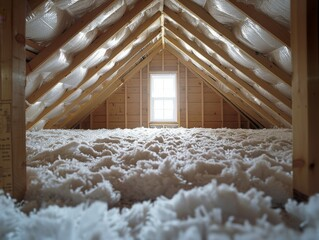
After preparation the insulation material is installed in the designated spaces. In attics insulation may be spread across the attic floor to create a thick protective layer. In walls insulation is placed between framing components to reduce heat transfer through the structure.

When loose insulation materials are used, specialized equipment may distribute the material evenly throughout the space. This ensures consistent coverage and helps eliminate empty areas.

Throughout the installation contractors carefully monitor insulation thickness and placement. Proper installation ensures that the insulation forms a continuous barrier that supports stable indoor temperatures.

Benefits of Hiring Experienced Insulation Contractors

Working with experienced insulation contractors offers several advantages for homeowners. One of the most important benefits is improved indoor comfort. Properly installed insulation helps maintain consistent temperatures throughout the home.

Energy efficiency is another significant advantage. When insulation effectively slows heat transfer, heating and cooling systems require less effort to maintain comfortable conditions. This can reduce energy consumption and improve overall system performance.

Professional installation also reduces the risk of common insulation problems. Gaps, uneven coverage, and poor air sealing can significantly reduce insulation effectiveness. Contractors are trained to avoid these issues through careful planning and installation.

Another benefit involves long term durability. Insulation that is installed correctly is more likely to remain stable within walls and ceilings, allowing it to perform effectively for many years.

These advantages make professional insulation services a valuable investment for homeowners seeking improved comfort and efficiency.

Long Term Impact of Quality Insulation Work

High quality insulation installation can have a lasting impact on the performance of a home. When insulation works as intended, indoor temperatures remain stable and comfortable throughout different seasons.

Heating and cooling systems benefit from this stability because they do not need to operate as frequently to maintain the desired temperature. Reduced system strain can support longer equipment life and more reliable performance.

Insulation also helps protect building materials from temperature related stress. By slowing heat transfer, insulation reduces the expansion and contraction that can occur within structural components.

Noise reduction is another long term advantage. Insulation materials absorb sound vibrations, which can reduce noise from outside sources and between rooms.

Together these benefits contribute to a more comfortable and efficient living environment that lasts for many years.

Conclusion

Insulation contractors play an essential role in improving the comfort and efficiency of residential buildings. Their expertise allows them to identify insulation issues, select appropriate materials, and install insulation in a way that maximizes performance.

By addressing heat transfer, air leakage, and moisture concerns, these professionals help create a stable indoor environment that supports long term comfort. Proper insulation installation improves energy efficiency, reduces strain on heating and cooling systems, and enhances the overall performance of the home.

For homeowners seeking to improve their living space, working with experienced insulation contractors can provide lasting benefits that extend well beyond the installation process.

Navigation