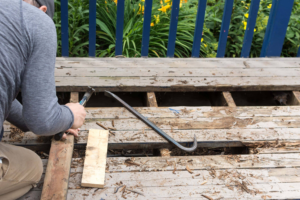
A basement that is both livable and functional adds value to a home. Whether you’re looking to create extra bedrooms for your growing family, a home office, or an entertaining space, our trusted basement contractors can help.
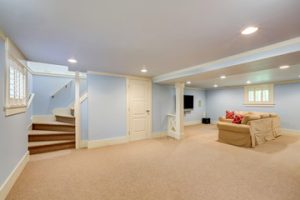
Before beginning any basement remodel, we suggest having a licensed electrician and plumber evaluate existing wiring, water lines and plumbing to prevent costly problems. In addition, we recommend insulating your basement to reduce heating costs and energy bills. Contact Basement Remodeling Tacoma WA for professional help.
Homeowners can choose from a variety of remodeling options for their basements, including refinishing, adding rooms, or making structural changes. Refinishing is a less expensive option, as the existing layout and framing are already in place. However, if you want to add plumbing or electric fixtures, or install a new kitchen, bathroom, or laundry room, a remodel is necessary. This is where it makes sense to work with a professional contractor who can manage the project, hire the necessary specialists, obtain permits, and ensure that all work is up to code.
Basement remodels are a great way to maximize space and increase the resale value of your home without the high costs associated with building an addition or buying a bigger house. Depending on the space you choose, you can make your basement into anything from an extra bedroom and bathroom to a game room or home theater.
When planning your basement remodel, it’s important to be realistic about your budget and timeline. Many homeowners struggle to pay for a renovation out of pocket, but there are several financing options available that can help. One of the most popular is a home equity loan, which allows you to tap into the equity you’ve built up in your home.
Unfinished basements are prone to moisture, which can lead to mold and mildew growth. These contaminants can spread throughout the house, causing respiratory problems and other health issues for people living in upper floors of the house. A remodeled basement can be made more durable by waterproofing, insulating, and improving ventilation to prevent these issues. It is also a good idea to add some storage space in the basement for seasonal items, outdoor furniture, and clothing.
Custom Cabinetry
Cabinetry plays a key role in the overall aesthetic and functionality of any space. It’s a great investment for homeowners who want to increase their home value and improve day-to-day living. Beautiful, well-designed cabinets not only make a room feel better but also make it easier to organize and find what you need. As a result, they help families function more efficiently.
In contrast to prefabricated systems that offer limited design and color options, custom cabinetry offers a wide range of solutions to match any style. For example, sleek and minimalist custom kitchen cabinets in NYC are a popular choice for homes that incorporate modern design principles. Open shelving is another option that can add visual appeal and storage to any living area without detracting from the home’s design integrity.
The process of designing and creating custom cabinets begins with an initial consultation. Then, clients select the materials that they’d like to use in their cabinetry or millwork. This step can take some time since it typically involves multiple decision-making elements. Once the details are established, a project estimate and shop drawings are created.
If you’re considering custom cabinets for your basement remodel, be sure to work with a local company. They will have the benefit of a long-standing reputation in the community and may be able to provide quicker support and service should you experience any issues with your project.
Whether you’re interested in turning your basement into a rec room, an in-law suite, or a family entertainment center, a professionally crafted basement remodeling job will increase your home’s value and give you more quality living space to enjoy for years to come. Contact us to get started on your remodel today!
Natural Light
When you use natural light to illuminate a basement, it dramatically changes the space. It makes it feel brighter and more spacious, and it offers psychological benefits like boosting moods and regulating circadian rhythms. In addition, well-lit spaces can boost home value and make it easier to move around the room.
Adding windows or skylights is the most obvious way to bring in natural light. Aside from the required egress windows, they allow you to flood your basement with sunlight throughout the day. You can even take advantage of the view outside by orienting them to overlook scenic views or outdoor living areas, which can help connect your basement with the rest of your home.
In addition to bringing in more light, windows and skylights can also provide a focal point that helps the space feel larger. This can be an important consideration if you plan to use your basement for entertaining, as it will allow your guests to easily find the space and make connections between different parts of the room.
Another great solution for maximizing natural light is to install recessed lighting throughout the ceiling. This type of lighting can minimize shadows, making it ideal for basements with low ceilings. It can also add a more subtle glow to the space, which is great if you want to avoid the harsh, clinical look that some fluorescent lights can create.
You can further brighten your basement by incorporating mirrors, which reflect and multiply light. Just make sure to hang them strategically so they don’t block the flow of natural light. You can also use mirrored surfaces to amp up the brightness of artificial lighting, such as track or recessed lighting.
Multi-Purpose Spaces
If you’re a busy family who enjoys having friends and relatives visit, then you know that a spare bedroom isn’t always enough. Basement remodeling can give you the space you need to provide visitors with a comfortable place to stay without taking away from other rooms in your home.
The key to creating multi-purpose spaces is to plan carefully and design for flexibility. Adding furniture that can double as room dividers, for example, will allow you to adjust the space for a variety of purposes. When selecting materials, opt for durable, easy-to-clean pieces that can stand up to the rigors of daily use. Strategic lighting and the use of varying textures can also help create distinct zones within the space.
Another benefit of multifunctional spaces is their ability to reduce your energy consumption and ecological footprint. By combining multiple functions into a single room, you can lower your bills by using less lighting and electricity. In addition, integrating a variety of activities into a single environment can make your space feel more spacious by reducing clutter.
Whether you’re looking to add an office, extra playroom for the kids, or your own personal retreat, the possibilities are endless for basement remodeling. It’s a great way to add valuable living space to your home for a fraction of the cost of an aboveground extension. However, before you begin a basement remodel, consult with a knowledgeable contractor who can craft a thorough plan to meet your vision and ensure a smooth process. A skilled design-build team can also offer fresh perspective and a new outlook on your space. This will give you the best chance of achieving your dream basement.
Add Value to Your Home
Basement remodeling projects can add significant value to a home. They also offer a great return on investment. When the space is properly designed, finished, and equipped to function as a living area, it can increase resale potential, especially if homeowners opt for materials that offer durability, moisture resistance, and easy maintenance.
To ensure your basement remodel is up to code, hire a professional construction manager. They will oversee contractors and ensure your work adheres to building regulations. They will also help you navigate zoning regulations and obtain the necessary permits to transform your basement into a livable space.
In the first phase of basement finishing, professionals will thoroughly inspect the space for any water damage, mold, or structural issues that need to be addressed before the renovation can begin. They will also measure the ceiling height to make sure it meets egress and other building codes.
The second phase involves preparing the space for construction by clearing out the basement, installing insulation, and removing existing framing and drywall. Once the basement is prepped, the main construction phase begins, which usually lasts 4-8 weeks. During this time, the contractor will install drywall, framing, electrical and plumbing rough-ins, and flooring.
Once the renovation is complete, professionals will finish and paint the drywall, and install lighting and trim. They will also ensure that all electrical, plumbing, and HVAC systems are working properly. They will test the basement’s moisture levels to protect against rot, mold, and other problems, and add an odor neutralizer to prevent unpleasant odors from permeating throughout the house. Finally, they will use an air-sanitizer to protect against radon and other contaminants. Taking these precautions can safeguard against costly repairs in the future and increase the overall resale value of the property.