Gutter Installation and Downspout Installation Tips

Gutters help keep your roof and foundation safe from damage, as well as preventing costly flooding and soil erosion.
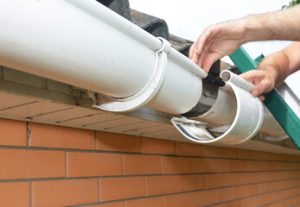
Gutter Installation

Choosing the right gutters and installing them correctly is crucial for protecting your home. Here are some tips on how to get the job done. This includes ensuring a smooth installation with proper slope to channel water properly. Contact Gutter Installation Gainesville FL for professional help.

Gutters are your home’s first line of defense against water damage, so it is important to make sure they are properly installed and suited for your needs. Choosing the right material, style, and size will ensure they function properly, reduce your risk of leaks, and enhance the aesthetics of your home’s exterior. It is also important to consider your region’s climate when making a gutter choice, as this will help you determine the type of material and profile that will best handle local rainfall patterns.

Aluminum gutters are a popular option for homeowners because they are lightweight, rust-resistant, and require minimal maintenance. They are available in 5″ and 6″ widths to accommodate different roof lines, and they can be installed on both sides of your roof for maximum water runoff efficiency. They can also be fitted with built-in leaf guards to prevent clogging and overflow.

Another consideration is the type of downspouts, as these are crucial for directing water away from your foundation and basement. Ideally, they should be placed every 30 feet along the gutter line and at each corner of your home. It is also a good idea to have downspout extensions and splash blocks to help redirect water flow and protect your home’s foundation.

Once you have selected the material and style of gutters that are right for your home, it is essential to establish a regular maintenance routine. This includes regularly cleaning out leaves and debris, as well as ensuring the downspouts are free of clogs. These simple tasks can help you avoid expensive repair bills and extend the lifespan of your gutters.

When it comes to installing gutters, professional installation is always the safer and more reliable option. It can be difficult and dangerous to try to install gutters yourself, especially if you do not have the proper equipment or skill level. Hiring a professional will save you time and money in the long run, as it will also protect your home from costly repairs. The most experienced installers offer a range of services to meet your unique requirements and can provide a warranty to give you peace of mind.

Preparing the Area

Gutter installation is a fairly easy home improvement project, but it can still be challenging for inexperienced homeowners. The process requires accurate measurements, precise cuts and the correct materials based on your roof’s design, local weather conditions and other factors. Without proper preparation, the job can be frustrating and time-consuming. Thankfully, there are some ways to make the task easier and ensure a professional-grade finished product.

Preparing for gutter installation involves clearing the area of debris and ensuring the gutters have the right slope for effective water drainage. A gutter system that’s not pitched properly can cause clogs and structural damage over time. Using a level and carefully marking the slope of each gutter run is essential. Adding gutter hangers as needed is also important for proper support and a secure attachment.

Another critical factor in preparing for gutter installation is checking the soffits and fascia boards for signs of moisture, mildew or rotting wood. This is a great opportunity to take care of other maintenance tasks as well, such as replacing damaged boards.

Once the soffits and fascia are prepared, it’s time to install the gutters themselves. First, a layer of sealant or caulk should be applied to the seams and joints. This will protect the gutters from leaks and help them last longer. Next, a gutter hanger should be installed at each end of the gutter run. Once the gutters are in place, the slope should be checked again with a level to make sure it’s even and pitching correctly.

Once the gutters are in place, downspouts can be added to the system to direct water flow away from your home. Downspout outlets should be placed at each end of the gutter run and secured with screws to ensure a waterproof seal. Once the downspouts are fastened, a check for leaks should be made. If there are any leaks, they should be repaired immediately to prevent further damage to the home and landscaping. Keeping up with these steps will help ensure a successful DIY gutter installation. If you’re not comfortable tackling this project on your own, it’s always best to hire a professional to get the job done right.

Hanging the Gutters

Gutter systems play a key role in protecting your home’s foundation, siding, windows, and landscaping from water damage. They funnel rainwater away from your structure and into the street or storm sewer system, avoiding basement flooding, soil erosion, and foundation cracking. However, a gutter system is only as effective as it’s correctly installed and regularly maintained. A poorly functioning gutter system can lead to clogging, leaks, and overflowing.

Before installing your gutters, take the time to plan and measure your roofline. This will help you determine the correct gutter size and placement of downspouts. You’ll also need to decide on a gutter material. Aluminum is light and rust-resistant, while vinyl is inexpensive but not as durable. Copper is expensive but looks good and lasts for decades. Once you’ve made your decisions, gather the necessary materials for installation, including gutter sections, downspout sections, connectors, and end caps.

Aim for a slight slope from the roof to the downspouts. This will ensure that your gutters drain properly and prevent sagging and overflowing during heavy rains or snowfalls. Mark this gradual angle with a chalk line along your fascia boards and carefully cut your gutters to size using tin snips or a hacksaw. Dry-fit each piece to check for proper alignment and fit before securing it with corrosion-resistant screws or nails.

Attach gutter hangers to your roofline at regular intervals, depending on the material you’re using and local weather conditions. Typically, you’ll want to space them every three feet, but closer spacing may be necessary in areas prone to heavy rain or snowfall.

After attaching the hangers, install the gutters by inserting them into the brackets and screwing or nailing them in place. Be sure to apply a high-quality waterproof sealant around all seams and joints, following the manufacturer’s instructions for drying and application.

Once the gutters are fully installed, test them by running a garden hose through the downspouts. If the water flows smoothly and doesn’t pool or spill over the edges, your gutter system is working well. If you notice any leaks, make repairs as needed and test the system again. Regular maintenance, such as removing leaves, pine needles, shingle grit, and twigs from the gutter system, is also critical to preventing clogging and maintaining optimal performance.

Attaching the Downspouts

Downspouts are the critical link between gutters and your home. They collect rainwater, direct it away from the house, and help to keep your foundation, siding, landscaping, and basement safe from water damage over time. Installing a properly functioning gutter and downspout system is essential for the longevity of your roof, structure, and yard.

During the installation process, it is important to plan ahead and gather all of the necessary materials. Before starting, it is helpful to have a tape measure to make precise measurements and a tool like a hacksaw or tin snips to cut the gutter pieces. A drill and sheet metal screws are also needed to connect the gutter sections.

Once you’ve gathered all of your supplies, it is time to start the actual installation. Begin by measuring the length of each fascia along the roofline. You will want to add about a foot for overlap in each section. Next, calculate the number of downspouts you will need. The recommendation is to have one downspout every 20 feet of gutter. Be sure to plan accordingly for where you want the downspouts to be located, as it is important that they are not directing water toward walkways or your foundation.

Attach the downspouts to the gutters using brackets. These will either snap on or be mounted into the face boards of the gutters. The end caps and downspout connectors should be installed as well, once again, using galvanized lag screws. Once everything is in place, test the downspouts with a hose to ensure that they are working correctly.

Downspout lines are an affordable and easy-to-install way to safeguard your home against water damage. They leverage gravity to drain the water over a wide area of dirt, rather than allowing it to pool around your foundation and into your basement or crawl space. With proper maintenance and regular testing, gutter downspouts will keep your home protected for years to come. To ensure your gutters are protected against debris and blockages, consider investing in a gutter guard. These are available at most hardware stores and can be easily installed on your existing gutters.

Visit our Professional Services Blogs

Chris Atkins Lawncare, Atticus Landscaping, Treasure Coast Pressure Wash, Gulf Beach Plumbing, Marlborough Plumbing, Guns And Hoses Pressure Washing, Ambrose Construction, Coral Gables Pressure Washing, Willco Photography, Roofing Akron, Danalogsdon Roofing El Cajon, EC Siding Roofing Windows, Aurora Gutter, American Insurance Source, ECO, etdn, Denison Service League,  Roofing Blog, Atlantic Vinyl Windows, Brookshires Fireplaces, JD Advanced Remodeling, Product Judgment, Master Dry Foundation Repair, Moe’s Hip, Elta Patio Paramount, Rock Around The Clock Festival, Learn, Play, Beyond, MoralesT Gardening, Car Window Tinting Perth, Duncan Carpentry, Gatestone Lighting, Mid Missouri Mold Inspections, Stucco Repair Albuquerque, Wausau Siding Hire, Munster Tree Care, Blue Granite Homes, Custom House, CENTRAL OS, Atlanta Pavers, Phillips Law Firm, Brent Ryder MasonryWalker Construction Drywall Division, RJ Law, Caledon Plumbing, DDS Tech USA, Maine Mortgage Services, Inckpen, Seasons at Rose Creek, Cottonwood Place Dental, Cosmetic Laser 2000 

Drain and Sewer Maintenance Services

Persistent foul odors, especially sewage or musty scents, are warning signs that may indicate trapped organic matter, clogs, or sewer line issues. Gurgling sounds from pipes and drains or water backing up into sinks, tubs, or toilets also require professional attention.

drain cleaning

Professional cleaners use specialized equipment like hydro jetting and enzyme cleaning to clean away build-up and prevent future blockages without harming your pipes. Keep reading the article below to learn more about Drain Maintenance Services.

A well-maintained plumbing system is vital to your home. Not only does it prevent clogged drains and sewer backups, but it also protects your property’s value and satisfies the needs of your family. Investing in regular professional drain cleaning services can help keep your plumbing healthy and clog-free, saving you money in the long run. It’s less expensive than emergency repairs or costly pipe replacements, and it can help prevent future damage from a drain or sewer line collapse.

Your home’s pipes are an intricate network of tubes that channel water and sewage throughout your property. Like the veins in a body, these pipes need care to avoid disease and deterioration. If you don’t provide your plumbing with the proper care, a variety of issues may arise, including serious water and sewage backups.

Signs of a deteriorating plumbing system include sluggish drains, clogged sinks or toilets, and foul odors. If you notice any of these problems, call your plumber right away. Professional inspections can identify the issue and determine if you require preventative drain cleaning or other services to restore the health of your pipes.

Preventative maintenance includes routine drain cleaning and regular plumbing inspections. Professional plumbers have extensive training to detect early signs of a problem and use specialized equipment to clean drains and restore healthy function. They can also recommend best practices and products to help prevent clogs, leaks, or corrosion.

Regular professional drain cleaning helps prevent the buildup of grease, oil, and other debris that can clog or block drains and pipes. If you own a restaurant or other food service establishment, it is essential to regularly clean your drain lines and grease traps.

Preventative maintenance can also help you save money by reducing your energy bill. A properly functioning plumbing system is more efficient and can help to regulate the temperature in your home. This is especially important during hot or cold weather, when your drains will be running more frequently. It is also beneficial for those with a septic tank, as routine cleaning can help to extend the life of your tank and prevent unwanted clogs.

Emergency drain cleaning

If you notice water draining more slowly than usual, foul odors or visible blockages, it’s time to call the professionals. When drains become blocked, it can cause flooding, water backup, and even structural damage to your property. Emergency drain cleaning services offer a fast, effective solution to remove clogs and restore proper drainage.

Professionals use a variety of tools to tackle stubborn clogs and restore normal drainage. They begin by inspecting the pipe using a video camera, which helps identify the location and nature of the clog. They can then select the appropriate drain cleaning method, such as drain snaking, hydro jetting, or enzyme cleaners. In addition to removing clogs, these professional drain cleaning services also help prevent future ones by eliminating build-up and promoting the natural decomposition of organic debris over time.

Regular maintenance also prevents drains from becoming clogged in the first place. Hair, soap scum, food particles, and mineral deposits can all accumulate inside your pipes over time and restrict water flow. By regularly cleaning your drains, you can prevent these materials from building up and causing serious plumbing issues.

In addition to reducing the risk of clogs and backups, routine maintenance can extend the life of your drains and reduce the need for costly repairs. By investing in preventative drain cleaning services, you can save money and avoid expensive repair bills down the road.

Commercial drain cleaning services are essential for businesses that need to adhere to health and safety regulations. They ensure that drains are clean and free from contaminants that could pose a risk to employees or customers. They can also detect and address any problems with the drainage system before they lead to a major disaster.

Investing in regular drain maintenance is a great way to keep your home or business running smoothly. Professionals know what to look for and can spot early signs of potential trouble, which can save you time and money in the long run. They can also provide expert advice on how to maintain your drains and pipes to avoid costly repair bills down the road.

Clogged drains

When your drains are clogged, it can cause serious backups and damage to the surrounding plumbing system. The key is to act fast, as soon as you notice signs that something may be wrong. This includes slow-draining water, unpleasant odors, and visible blockages. These signs can signal the presence of severe clogs or other drainage problems that can lead to costly repairs and disruption of your home life.

Most clogs are caused by the buildup of hair, soap scum, food waste, and other debris. Preventative maintenance services can help prevent these issues, including regular drain cleaning and using shower and sink drain guards. These devices are designed to trap hair and other debris before it can enter the pipes, preventing clogs and keeping the drain system clean and free of obstructions.

Large clogs and those that occur deep within the pipes often require professional assistance to resolve. Professional plumbers have the tools and expertise to remove even the most stubborn clogs without damaging your plumbing. These professionals can use various methods to break up and dissolve clogs, including drain snakes, power augers, chemical cleaners, and more.

Whether it’s a residential or commercial property, regular drain maintenance is important to keep the system running smoothly and prevent costly repairs. Some properties need more frequent services than others, depending on the number of people living in the home or the amount of food and other items being sent down the drains.

The most common signs that it’s time for a drain maintenance service include slow-draining water, unpleasant odours, and visible blockages. Other signs of an impending clog include gurgling sounds and the overflow of sinks, bathtubs, or toilets. If you see any of these symptoms, contact a local plumber immediately to schedule a drain cleaning service. The sooner you address these issues, the less likely it is that they’ll become severe and expensive to repair. This can also help prevent the potential for sewage leaks and other dangerous plumbing problems. In addition to these routine services, some properties may require emergency drain cleaning services for sudden clogs or backups. These services may include sewer line flushing, video camera inspections, and chemical treatments to break down grease and other substances in the drain lines.

Schedule a service

Drain and sewer maintenance is important for keeping your home running smoothly, preventing costly repairs, and extending the lifespan of your pipes. If you are concerned about the state of your plumbing, contact us to schedule a professional inspection.

We will inspect your drainage system for clogs, leaks, corrosion, and damage. If necessary, we can use high-powered water jetting or mechanical snaking to remove debris and clogs. We can also clean out your grease trap to ensure that it is functioning properly. Regular drain cleaning is essential to prevent the buildup of food waste, oil, and other contaminants that can lead to blockages and slow drainage.

If you experience frequent clogs, unpleasant odors, or gurgling sounds, it is likely time to call a plumber for professional drain cleaning services. Leaving a clog unattended could result in health hazards, costly repairs, and water damage to your property.

Commercial Drain Maintenance

Businesses require a well-functioning drainage system to maintain productivity and uphold hygiene standards. When a drain gets clogged, it can cause unsanitary conditions and disrupt workflow. To avoid these issues, it is recommended that commercial properties schedule regular drain cleaning services. Commercial drain maintenance includes the removal of grease, hair, soap scum, and other buildup in kitchen, bathroom, and laundry drains. It can also include the cleaning of garbage disposals, sump pumps, and sewage lines.

We provide a full range of drain cleaning services, including video inspection and camera technology to identify the source of the problem and to ensure that the work is done correctly. Our technicians will also test the water flow afterward to ensure that your drains are working properly.

While drain cleaning services focus on clearing out pipes, plumbing repair deals with repairing or replacing damaged components of your plumbing system. A skilled plumber can assess your system to determine if it is up to date with current codes and regulations, or if you need to install new components to improve efficiency. They can also recommend and implement a plan to address potential problems before they become major issues.

Transforming Spaces Through Modern Rubbish Removal and Demolition

Rubbish removal and demolition are evolving with innovative approaches. These tasks are no longer just about tearing down structures and hauling away waste. Today, they are centered on efficiency, environmental responsibility, and precision. This shift reflects a deeper understanding of the impact on communities and the planet.

Rubbish Removal

The process begins with careful assessment of the site and its materials. Teams now identify what can be reused, recycled, or safely disposed of before work starts. This reduces landfill waste and allows valuable resources to be recovered. It also lowers the environmental footprint of both demolition and disposal. Visit paulsrubbishanddemo.com to learn more.

Modern demolition uses technology that minimizes noise, dust, and vibration. Specialized machinery can dismantle sections of a building with remarkable accuracy. This controlled method is ideal in densely built areas where disruption must be limited. The result is a cleaner, safer work environment.

Rubbish removal has also advanced beyond simple collection. Systems now separate materials at the point of removal. This streamlines recycling and ensures hazardous items are handled properly. It also speeds up the overall process, saving time and labor costs.

Environmental compliance is a top priority in both fields. Strict guidelines ensure that hazardous substances are neutralized before disposal. This includes materials like asbestos, lead-based paint, and certain chemicals. Proper handling protects workers and nearby residents.

Technology is driving more efficient operations in this industry. GPS tracking helps coordinate trucks and equipment for faster service. Sensors can detect waste levels in containers, prompting timely pick-ups. These innovations cut unnecessary trips and reduce fuel consumption.

The shift toward sustainability has made deconstruction more common than full demolition. Instead of destroying everything at once, structures are dismantled in stages. This allows salvaging of wood, metal, and fixtures for reuse. It also creates opportunities for resale markets in building materials.

For large-scale demolition, advanced equipment like high-reach excavators is used. These machines can take down tall structures from the top down. This reduces debris spread and allows precise targeting of structural points. Safety measures are enhanced as a result.

In rubbish removal, compactors and shredders are used on-site to reduce waste volume. This lowers transportation costs and frees up space in disposal areas. It also makes recycling facilities more efficient when processing incoming materials.

Worker training has expanded to include environmental awareness and safety certification. Crews are educated on identifying recyclable materials quickly. They also learn to handle dangerous substances without contamination. This skill set improves overall project quality.

Another development is the use of biodegradable waste bags and containers. These materials break down naturally, leaving no harmful residue. They are especially useful for organic waste from demolition landscaping. This supports a circular approach to waste management.

Remote-controlled machinery is becoming common in hazardous demolition areas. Operators can control heavy equipment from a safe distance. This protects them from falling debris and unstable structures. It also allows work in areas with limited access.

In urban redevelopment, selective demolition plays a key role. Instead of flattening entire sites, only certain sections are removed. This preserves structural elements that can be integrated into new designs. It also reduces the amount of new materials needed for construction.

Waste-to-energy initiatives are also linked to rubbish removal. Certain materials collected are processed into fuel for energy production. This reduces reliance on landfills and fossil fuels. It transforms waste into a valuable resource for power generation.

Demolition techniques now integrate noise reduction measures. Sound barriers and mufflers on machinery reduce disturbance to nearby areas. This is crucial for projects near residential zones or sensitive institutions. It helps maintain community relations during construction work.

Another trend is real-time project monitoring through drones. Aerial footage provides updates on demolition progress and waste removal. This helps managers make quick decisions to adjust workflow. It also improves accuracy in reporting and documentation.

In rubbish removal, artificial intelligence is used for waste sorting. AI-powered systems can identify and separate different materials faster than manual methods. This increases recycling rates and reduces contamination in processed loads. It also frees workers for more complex tasks.

Demolition safety has improved through predictive modeling. Structural analysis software simulates how buildings will collapse. This allows crews to plan the safest sequence of removal. It also minimizes the risk of unexpected damage to neighboring structures.

Some projects now use water misting systems to control dust during demolition. This keeps the air cleaner for both workers and residents. It also prevents fine particles from spreading to nearby properties. The system uses minimal water for maximum effect.

The partnership between rubbish removal and demolition teams is stronger than ever. Coordination ensures waste is cleared as soon as it’s produced. This keeps sites clean and reduces hazards. It also speeds up overall project timelines.

There is growing interest in community engagement before major demolition work. Residents are informed about schedules, noise levels, and safety measures. This transparency builds trust and reduces complaints. It also allows for better cooperation during the project.

Rubbish removal companies are adopting data-driven planning. By tracking waste types and volumes over time, they predict future needs. This helps allocate resources efficiently and anticipate recycling opportunities. It also reduces operational costs.

Specialized demolition methods are used for heritage buildings. Instead of destroying them, parts are carefully removed for restoration. This preserves cultural value while meeting safety standards. It is a delicate balance between progress and preservation.

Eco-conscious demolition projects sometimes plant trees or greenery after clearing a site. This offsets the carbon footprint of the removal process. It also improves the local environment for residents. Such gestures create goodwill and support sustainability goals.

In remote or disaster-hit areas, mobile demolition units are deployed. These self-contained setups can operate without permanent infrastructure. They handle both debris removal and temporary shelter setup. This provides rapid relief in challenging conditions.

Recycling partnerships are expanding to include artists and designers. Salvaged materials from demolition are transformed into functional or decorative pieces. This adds value to items that would otherwise be discarded. It also promotes creative reuse within communities.

The integration of virtual reality in demolition planning is emerging. VR allows teams to walk through a digital version of the site before work begins. This improves accuracy and reduces costly mistakes. It also enhances training for new workers.

Seasonal considerations are factored into rubbish removal schedules. Certain months may see higher volumes of specific waste types. Adjusting operations accordingly prevents overflow and delays. It also ensures consistent service year-round.

The combination of sustainability, technology, and precision is reshaping the industry. Rubbish removal and demolition are no longer brute-force tasks. They are now strategic, environmentally conscious operations. This transformation benefits both urban development and the natural world.

Navigation