Appliances are designed to make life easier. When they break down, it can be stressful and frustrating. Repairing them quickly and efficiently can save you time and money.
Professional repairs can also help extend the lifespan of appliances. By addressing minor issues early, they can reduce the risk of major mechanical failures in the future. Contact Appliance Repair Naperville now!
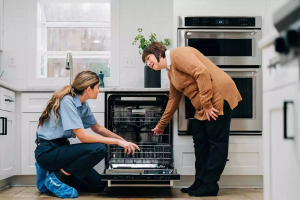
Appliances help make many tasks simpler, from cleaning and cooking to washing laundry and preserving food. But when they break down, you need professional repair services to get them back up and running. Appliance repair technicians have a deep understanding of how appliances work, so they can diagnose issues and fix them quickly and efficiently. This helps them save you money and extend the lifespan of your appliances.
Licensed appliance repair technicians have experience with all kinds of appliances, from small kitchen gadgets to large refrigerators and washers. They have worked on appliances in homes, restaurants, and laundromats, so they know how to deal with a wide range of issues. They also understand how important it is to get your appliances fixed quickly, so they can minimize disruption to your daily routine.
Repairing appliances requires a lot of knowledge, from the basics of electrical work to the details of mechanical systems. Most of the time, an appliance breaks down because of a problem with one part. For example, a freezer might have an issue with its evaporator or thermostat. The repair technician will need to be able to analyze the issue and solve it reliably. This is why hiring a certified professional is the best option.
If you decide to go with DIY appliance repair, be sure to follow strict safety guidelines. Before making any repairs, always ensure that the power and gas are completely cut off. This will prevent any accidents or damage to your appliances and keep you safe. Professional technicians have access to genuine replacement parts, so you can be confident that your repairs will last longer and maintain the quality of your appliances.
In addition to fixing broken appliances, professional repair services also offer routine maintenance to avoid breakdowns and extend the lifespan of your appliances. Routine maintenance is usually less expensive than a repair, and it can help you save on energy costs. It’s a good idea to have your appliances serviced at least once a year. This will help them perform at their peak and reduce the risk of expensive breakdowns.
Expertise
Appliances perform countless tasks for us, from washing clothes to preserving food. But when they malfunction, we’re often at a loss. That’s why it’s crucial to call a professional. Their years of experience and expertise can save you money and extend the lifespan of your appliances. They also provide routine maintenance to keep your machines in top condition.
A career in appliance repair is a great choice for anyone interested in working with their hands and helping people in need. Although there are many options for this profession, some specialization is necessary to get ahead. Choosing the right education program is also important, and many vocational schools offer courses in various appliances. These programs can include both classroom work and hands-on practice with different models of appliances.
The most successful appliance repair technicians stay up to date with the latest trends in their industry. They attend seminars and conferences and take online classes. They also stay abreast of new appliance technology through their own research, and many have a network of other repair professionals they can contact for advice.
In addition to their knowledge of specific appliances, qualified appliance repair technicians have a deep understanding of how they work. This allows them to quickly identify and repair problems, ensuring that your appliance is running properly for the long-term.
Licensed appliance repair technicians are held to higher standards of accountability and professionalism than unlicensed individuals or fly-by-night companies. Choosing a reputable company can make the difference between getting your appliance back up and running in no time or experiencing a major headache that takes weeks to resolve.
A reliable and experienced appliance repair technician is an asset for any home or business owner. Whether your appliance is in need of a quick fix or a complete overhaul, a pro can help you decide what repairs are required and make recommendations for future maintenance. The experts at Appliance Man NJ repair a wide range of household appliances, including refrigerators, washers and dryers, dishwashers, and wine coolers. Their services are available at competitive rates and include a one-year parts and labor warranty.
Safety
Many appliances are powered by electricity, and any malfunction of these appliances can be dangerous. For instance, if there is a short circuit, it can lead to fires. Other potential risks include damaged cords that expose frayed wires and cause shocks. Likewise, some appliance parts might have sharp metal edges that can cut you if not handled properly.
Most appliance repair services follow strict safety guidelines and training programs for their employees. This includes personal protective equipment, regular tool inspections, and clear communication channels with customers to help prevent accidents during appliance repair projects. However, rapid technological advancements might require additional training to keep technicians up-to-date with new appliance repair methods.
The first step in any appliance repair project is to disconnect the appliance from its power source. This is crucial to avoid electrical shocks and other injuries during the repair process. In addition, it is essential to wear protective gear, such as work gloves and a pair of safety glasses. Additionally, it is a good idea to use an electrical multimeter to check for any problems with the wiring.
When reassembling the appliance, make sure to reconnect all the electrical wires. Also, inspect the appliance for any water valves and connections. Ensure that there are no leaks or any other hazardous conditions. Lastly, always use the original or certified replacement part with the same size specifications and capacity.
Appliances are complex machines that perform critical functions in your home. They are easy to take for granted until they break down. For this reason, it is important to hire an experienced appliance repair technician for any repairs or maintenance work you may need done. A professional can diagnose the problem, recommend the best solution, and perform the necessary steps to fix it.
When an appliance is broken down, it can be difficult to decide whether to repair or replace it. Repairing an appliance can be cheaper than purchasing a new one, but it’s important to weigh the pros and cons of each option carefully. If the appliance is in good condition and still meets your needs, repairing it could be worth the investment.
Time
Appliances are a big part of modern living. From keeping food frozen until consumption to regulating the temperature of homes and washing dishes, appliances make our lives more convenient. However, they also need to be repaired from time to time. Malfunctioning appliances can cause disruptions in our daily routine and increase energy bills. Licensed appliance repair technicians can help restore them to their original functioning and extend their lifespan.
Getting an appliance repair license requires dedication and hard work. You must complete the necessary training and pass an exam before obtaining your license. In addition, you will need to renew your license annually. However, the process is not as difficult as it seems if you are prepared and focused.
In addition to specialized technical skills, appliance repair professionals must have good organizational and communication skills. They must be able to work well as part of a team and coordinate with other tradespeople, such as plumbers, electricians, and remodelers. In addition, they must be able to interpret error codes that appear on household appliances. These error codes are usually a series of letters and numbers that indicate what is wrong with the appliance.
An experienced appliance technician will be able to troubleshoot and diagnose issues quickly. They will be able to determine the best course of action for repairs and ensure that they are carried out correctly. This will save you money in the long run and prevent additional damage to your appliances.
If you have an older appliance, it may be tempting to replace it with a new model. However, it is important to consider the pros and cons of replacing an appliance before making a decision. Buying a new appliance can cost a lot of money and is often not as energy-efficient as the old one. In addition, you may find that you are accustomed to the controls of an older appliance or simply like it better.
When an appliance breaks down, it disrupts your daily routine and causes inconveniences for you and your family members. A professional appliance repair service can restore it to its working condition in a short amount of time, saving you money on energy costs and other expenses. Additionally, prompt repair can reduce energy consumption and prolong the life of your appliances.