How Roofing Maintenance Can Extend the Life of Your Roof

Performing regular Roofing Helena MT maintenance is a great way to extend the life of your roof. Minor issues like missing shingles can quickly escalate into major problems if left unchecked.

Roofing

Extensive moss growth should also be addressed; extensive growth is a sign of moisture retention and can damage the underlying shingle layers. Keeping trees trimmed is important as well, to prevent branches from scraping the surface of your roof during high winds or severe storms.

A roof isn’t a single element, but a whole system that encompasses several key parts. The shingles or tiles form the outermost layer that bears the brunt of the weather, but there’s also underlayment and the roof deck that provide extra protection. The rafters and trusses make up the roof’s framework, and any sagging or bending can indicate structural damage.

The inspector will carefully examine the attic and eaves to ensure there are no signs of stress or deterioration. They’ll also look at the sheathing and rafters for any rot or water damage. In addition, they’ll check the ventilation systems to ensure that they’re working properly. If not, moisture buildup can lead to rotting and mold.

Next, the inspector will move on to examine the flashing, which provides a durable seal around vent pipes, joints, and edges. Cracks or gaps in the flashing can let rain in and cause further problems. The inspector will also check the ridge caps and chimneys for any damage or blockages. Finally, they’ll examine the soffit boards and fascia for signs of damage or rot.

The inspector will also check the shingles and tiles for any signs of wear or tear. They’ll also look for any missing granules, which can signal shingle deterioration. The inspector will then move on to examine the vents and skylights. They’ll look for any blocked areas or leaks, and they’ll inspect the neoprene pipe boots and turbine vents to ensure that they are functioning properly. If not, the inspector will recommend replacements. The inspector will also carefully examine the interior ceilings for any signs of leaks, such as water stains or mildew. If they spot any, the inspector will take detailed notes and notify the client of the necessary repairs.

Clean the Gutters

Gutter systems play an important role in directing water and debris away from the roof. Clogged gutters can cause flooding and even damage the walls of your home. Regular cleaning will help keep them functioning properly. This is particularly important if you live in a region that experiences tropical storms and hurricanes or has lots of trees close to your house.

Gutter cleaning is typically a DIY job, but it requires access to a ladder and some heavy-duty gloves. It’s also recommended to wear a pair of protective eyewear. To avoid the risk of injury, set up a ladder on solid ground and secure it with a sturdy stabilizer. It’s also a good idea to have someone else hold the ladder while you’re cleaning.

Begin by using a gutter scoop to remove any large materials in the gutters. This will help you break apart any tough clumps and will save your hands from becoming too dirty. Then, flush the gutters with a garden hose to remove any remaining gunk. Make sure to check the downspouts for clogs as well. If necessary, use a plumber’s snake to dislodge any blockages inside the downspouts.

If you’re having trouble getting your gutters clean, try spraying them down with a store-bought solution that’s designed to cut through grime. Alternatively, you can mix up your own chemical solution from cream of tartar and water. The acidic nature of the solution helps break down dirt and stains. Then, rinse the gutters down with a hose to clean them completely. After you’re finished, check the gutters for any leaks or holes. If you find any, repair them as soon as possible to prevent further damage to your roof and walls.

Trim the Trees

Trees are a beautiful part of any landscape, adding curb appeal and value to the property. However, when trees grow too close to the roofline of a home they can cause major damage, particularly during severe storms. Overgrown branches scrape and erode shingles, break gutters and can even pull away tiles from the roof surface. This damage is often overlooked until a serious storm or strong winds cause the limbs to fall. Regular professional tree maintenance will prevent these hazards, protecting the roof and home.

Regular trimming keeps the tree’s canopies open, allowing proper airflow and light penetration. It also removes dead or damaged limbs, helping to prevent rot and insects on the roof. This type of maintenance can save you from expensive structural repair costs later on.

In addition to preventing damage from overhanging limbs, regular pruning helps to reduce the risk of falling debris during a storm or high wind. It can also help prevent leaves and twigs from clogging the gutters, reducing water damage and preventing roof leaks.

It’s also a good idea to check on the condition of trees on a regular basis. Look for signs of insect infestations, such as chew marks or holes in the bark. Insects can be a significant problem for your roof, as they can eat through the shingle and underlying wood, causing leaks.

When choosing a location for new trees, it’s best to plant them as far away from the roofline as possible. Ideally, they should be planted at least 20-30 feet from the house to keep their branches at a safe distance. For existing trees, make sure to trim them regularly and evaluate the landscape after weather events to ensure they aren’t encroaching on the roofline.

Inspect the Flashings

Flashing is the unsung hero of your roof, protecting critical areas like roof valleys and penetrations from water infiltration. It is vital to the structural integrity of your roof and should be inspected regularly for signs of damage or wear.

A thorough inspection of your home’s flashings will help to extend their lifespan. If you are comfortable climbing a ladder, inspect the flashings for visible cracks, gaps, or other signs of deterioration. This will allow you to repair them before the problem worsens. It is important to inspect the flashings and make necessary repairs on a regular basis, especially after severe weather events.

Damaged flashings can lead to water infiltration, which will erode and corrode underlying roofing materials, causing costly leaks and structural damage over time. Fortunately, it is relatively easy to fix any damaged flashings with roofing cement. A roof repair service can also address more extensive flashing issues, such as those caused by ice dams or improper installation.

When inspecting the flashings, pay close attention to areas around chimneys, vents, and skylights. These areas are more likely to suffer from moisture infiltration due to their location. Make sure the flashing is properly sealed around these areas to prevent water infiltration.

It is also a good idea to check for visible signs of moisture damage in your home’s attic. Signs of moisture damage include mold stains, sagging, or other issues that require prompt professional assessment and repair. Taking the time to inspect the flashings and making any needed repairs can significantly extend the lifespan of your roof, saving you thousands in future repair costs.

Replace the Caulk

Caulking is one of the simplest, most effective and least expensive ways to improve roof efficiency, but it must be properly removed and replaced in order to maintain proper function. A knowledgeable craftsperson is required to correctly apply caulking, so it is often best to hire a professional for this work.

The most obvious sign that caulk needs to be replaced is mildew or mold growth, which indicates that the sealant has allowed moisture through. This can lead to serious structural problems, especially if the mold or mildew is underneath a layer of caulk that was not applied with a tight enough seal. In addition to the obvious issues, mildew and mold can also contaminate a building and create a health problem for those living or working inside.

To prevent this from happening, it is important to inspect the caulking on a regular basis. You should look for cracking or missing areas, particularly around chimneys, vents, skylights, pipes, and equipment supports. A professional can repair these issues to prevent water damage and potential structural issues.

Inspecting the roof and making necessary repairs requires specialized equipment that can be costly to rent or purchase. It is wise to develop a checklist for each inspection, as it will ensure that you do not overlook any element that needs attention. However, it is also important to know when to step back and let a professional take on tasks that are beyond your comfort level or skillset. Doing so can save you money in the long run, especially if these tasks involve safety concerns or local building codes. Contact a professional roofing contractor to learn more about roof maintenance and the tools that are needed to complete these tasks safely.


Protect Yourself During Flood Cleanup

Flood water can carry dangerous bacteria, so it is important to protect yourself during the cleanup process. If possible, wait for floodwaters to recede before re-entering your home or building.

Flood Cleanup

Standing water can soak carpets, warp wood and drywall and create health hazards by allowing mold spores to thrive. Relying on a professional team of experts like Flood Cleanup Utah can save you from serious problems down the road.

Flood damage cleanup is a messy, time-consuming job. Silt, contaminants and other debris can ruin belongings, create a health risk and make a building unusable. It’s best to hire professionals who have experience with disaster restoration and cleaning. They’ll know what procedures to take to protect your health and property and how to clean and disinfect everything that got wet during the flood.

Avoid touching contaminated materials or entering any buildings until they’re declared safe for use. Flood waters can contain dangerous bacteria and sewage. Turn off electricity and gas until an electrician can inspect them for safety.

Keep children and pets away from flooded areas until the cleanup is complete. Children may be playing with debris and could be injured or harmed by sewage, mold or other toxins. Pets could also come into contact with contaminated water and become sick or die.

Remove carpeting from soaked floors and dispose of it. Water soaks down through carpet pads and into the subfloor and can cause structural damage. Wood or laminate flooring should be ripped up and discarded, as well.

Dry out your home to prevent the growth of mold. If you have power and an electrician has declared it safe to turn it back on, a wet-dry shop vacuum or electric water transfer pump can help. Ventilate the room by opening windows and using fans to help air out the space.

If you have a lot of debris from the flood on your property, move it to the curb or the end of the driveway where it won’t block traffic, fire hydrants, manhole covers or mail boxes. Do not dump it into ditches or on the street. This creates a hazard for motorists and can interfere with road repairs.

Wear rubber boots, thick work gloves and a respirator with a vapor-permeable filter when handling wet and contaminated materials. Wash your hands frequently and apply an antibiotic ointment to prevent infection. If your clothes or linens touch floodwaters or sewage, wash them separately from other items in hot, soapy water and disinfect with a bleach solution of one cup per gallon of water.

Clean and Sanitize

Flood water often contains silt, raw sewage, chemicals and oil that can cause various bacteria, viral and parasitic infections. Proper cleaning and disinfecting of contaminated areas is a necessary step to avoid the risk of illness from these contaminants.

After a flood, all floors and surfaces that came in contact with water should be cleaned and disinfected. This includes counters, tables, chairs and other furniture. Porous surfaces should be removed and disposed of, while non-porous materials may be able to be salvaged with the right sanitization and drying processes.

All clothing and linens that came in contact with contaminated floodwater should be washed separately from uncontaminated items. Ideally, these items should be washed with hot soapy water and disinfected with a solution of 5% to 9% liquid chlorine bleach (add a small amount of bleach to a gallon of water) in order to kill any remaining bacteria.

Do not use tap water to wash dishes, clean skin, brush teeth or rinse hair unless it has been boiled or disinfected. Local water agencies will inform you if the tap water is unsafe to use.

During the flood cleanup, it is important to be cautious and wear rubber boots, gloves and an N-95 mask. It is also helpful to be familiar with the disaster recovery process before a flood so you can act quickly and efficiently. This can help reduce the damage, speed up restoration and minimize costs.

Be sure to air out all buildings as much as possible. This can be done by opening doors and windows and using fans to blow the air outdoors or through a window.

It is especially important to clean and disinfect all countertops, sinks, stoves, microwaves, refrigerators, dishwashers, washing machines, clothes washers and dryers and any other appliances that came in contact with contaminated water. It is also helpful to remove and discard drywall and insulation that has come in contact with sewage or floodwater.

Be sure to service any flooded and damaged septic tanks, cesspools or pits. These items should be emptied, sanitized and disinfected as soon as possible to prevent health and safety issues for you and your family.

Dry Out

Whether your home was soaked in lake water or just a few inches of water, it’s important to dry it out as quickly as possible to help prevent mold and mildew and to safeguard the structural integrity of your property. You can speed the drying process with fans and dehumidifiers, but keep in mind that using appliances that have been immersed in flood waters increases your risk for electric shock or fires. If you must use gasoline-powered pumps, generators or pressure washers to clean up flood damage, never operate them inside a home, garage, carport, basement, enclosed area, or within 20 feet of a door, window or vent. This can create dangerously high levels of carbon monoxide that can poison you and others.

Begin by assessing the extent of your flood damage and taking inventory of items that were affected. You may have to prioritize salvageable items, such as antiques, valuables or irreplaceable family heirlooms.

Clean and Sanitize

If your flooded property contains sewage or other hazardous wastes, it’s imperative to dispose of them as soon as you can safely do so. Contact your local health department for specific instructions.

You’ll also need to sanitize any areas of your house that came into contact with floodwater, including walls and floors. Use diluted bleach to mop hard surfaces and wipe down linens, clothing and other fabric items (clothing should be washed separately from non-contaminated items). Discard any soft furnishings that can’t be cleaned or disinfected, such as rugs and carpeting.

Open up any wall cavities that have been saturated with flood water, and remove and discard wet or mold-covered drywall and insulation. Moisture can wick up to 24 inches above the water line, so it’s important to open up walls as far as possible.

After cleaning and sanitizing, it’s a good idea to apply a mold inhibitor to all surfaces that came into contact with flood waters. This will help prevent any spores that survived the sanitization from growing into full-blown mold colonies. Once your property is clean and dry, it’s a good idea to hire a general contractor to handle repairs, especially those that require new flooring or walls.

Document Damage

Documenting the damage caused by a flood is an important step in the clean up process and can help support insurance claims. Take time-stamped photos of all damaged areas and items.

If you have valuable artwork, photographs or documents that may have been affected by flood water, consider consulting a conservator for emergency stabilization and treatment. These techniques can often reverse some of the worst effects of flood damage.

Don’t keep any food that has come into contact with flood water, including canned foods and medications. These can harbor bacteria and may cause serious illness if eaten.

Be careful when entering flooded buildings as there may be dangerous debris and fallen objects. Also watch out for animals, especially poisonous snakes, which are flushed from their homes by flood waters.

Move any items that are soaking wet, including upholstered furniture and boxes, to a dry area as soon as it is safe to do so. This will minimize the amount of water damage and prevent mold growth.

What Does a Chimney Sweep Do?

Chimney Sweep Charleston SC uses a long rod with bristles on it to clean the chimney and fireplace. They may start from the roof or work from inside your fireplace. They will lay a drop cloth to decrease the amount of soot and debris that enters your living space.

Chimney

If you have a chimney, it’s important to hire a professional chimney sweep to take care of the maintenance. This is because a reputable technician knows the best practices and can identify and repair any problems. This saves the homeowner money in the long run, because repairs can be expensive if left unattended.

The first thing that a chimney sweep will do is survey the fireplace and chimney to determine what kind of cleaning and inspection is needed. The sweep will then bring various tools into the home, including drop clothes and long-handled brushes. They will also bring ladders, and they may even use video equipment for a Level 2 or Level 3 inspection (these are usually scheduled after a Level 1 chimney inspection if the sweep notices warning signs of damage within the structure). The homeowner should remove any furniture or other objects from around the fireplace and chimney so that the sweep has easy access to it.

Chimney sweeping is not as dangerous as it was in the past, but it can still be a physically challenging task. Chimney sweeps must climb, crouch, and maneuver in tight spaces to clean chimneys. Historically, this was often done by young children who were called “climbing boys.” It wasn’t uncommon for these boys to get hurt while trying to remove soot and other debris from narrow chimneys. Today’s chimney sweeps have modern equipment that makes the process much safer and faster than it was in the past. They use flexible rotary brushes, high-powered vacuums, and video inspection systems to ensure that every inch of your chimney is cleaned thoroughly.

A chimney that is not regularly swept can become clogged with creosote and other debris, reducing its ability to vent smoke and gases from the house properly. This can compromise indoor air quality, causing health issues such as asthma and other respiratory conditions over time.

A clogged chimney may also allow toxic gases such as carbon monoxide to backdraft into the house, posing a threat to the occupants’ safety. Regular sweepings can prevent these hazards by keeping the chimney clean and free of obstructions.

Inspection

Chimney sweeps are trained to inspect chimneys to identify any structural issues. They can spot leaks, cracks and other problems that could cause a fire or other damage to your home and its contents. They can also determine if a chimney is safe to use, even after it has been swept.

Chimney sweeping can be messy work. As a result, a professional chimney sweep will usually set up a drop cloth or plastic to protect the floor of your house from soot and debris. They may also use a HEPA filter vacuum to keep dust levels low.

They can also detect animal nests, which should be removed immediately. In addition, the professionals can often spot any potential obstructions or issues with the flue lining. The sweeps will scrape the coating of accumulated soot and creosote off of the chimney lining. This coating is toxic and can clog the chimney, making it unsafe to light a fire in the fireplace.

Creosote buildup is one of the leading causes of chimney fires. The professional sweeps will remove the creosote, significantly decreasing the risk of chimney fires and reducing air quality problems in homes. They can also spot any deterioration of the chimney’s structure and recommend necessary repairs, saving homeowners money in the long run.

Besides identifying the issues, chimney sweeps can also provide advice on how to safely and efficiently use your fireplace. They can help you find the right kind of fuel for your fireplace, and they can also tell you how to prevent chimney leaks.

The National Fire Protection Association (NFPA) recommends an annual chimney inspection by a certified chimney sweep to ensure that the system is sound, free from deposits and has correct clearances. A regular chimney inspection by a professional can also save you money on your heating costs.

The chimney sweeping profession has a long history of providing warmth and comfort to families and friends. While the chimney sweeps of today are more technologically advanced, their primary goal is still to keep family members and guests safe from chimney fires and improve in-home air quality.

Cleaning

Chimney sweeps use a variety of tools to thoroughly clean chimneys. Rotary brushes and high-efficiency vacuum systems remove creosote, ash, and other debris from chimney walls. Sweeps also address any blockages and make minor repairs. Depending on the condition of your chimney, they may also suggest maintenance tips and recommend future inspection and cleaning schedules.

While avoiding chimney fires is the main reason for scheduling a chimney sweep, many homeowners also appreciate improved home air quality. Dirty chimneys can be a source of noxious gases that can harm both your family and pets, especially when the toxins are inhaled. The gases include carbon monoxide, which can be deadly at even low levels. Chimney sweeping removes harmful gases, as well as smoke, and leaves you with clean air to enjoy when you are relaxing in your fireplace.

It is difficult to maintain a safe chimney without regular professional sweepings. Creosote buildup is highly flammable, and it is a major cause of chimney fires. Professional chimney sweepings remove dangerous creosote accumulation and identify any cracks, blockages, or other structural issues that could lead to more serious problems if left unchecked.

Sweeps also remove animal infestations and nesting sites from chimneys. Animals love to nest in warm, dry chimneys because they are dark and protected from other elements. These pests can block airflow and create a fire hazard, but professional sweeps know how to safely remove them and return your chimney to pristine condition.

Historians disagree as to when chimney sweeps first appeared on the scene, but they became more common following the Great Fire of London in 1666. The massive blaze destroyed 13,000 homes and the famous St. Paul’s Cathedral, and it led to a public outcry for safer fireplaces and chimneys.

The Industrial Revolution brought advancements in tools, safety procedures, and sweeping methods, making the profession much more viable. It also allowed professionals to work more efficiently, leading to the establishment of guilds and organizations for professional chimney sweeps. Today, the chimney industry is more regulated and safer than ever. The National Fire Protection Association recommends having your chimney and fireplace system inspected and cleaned annually to identify potential hazards before they become serious problems.

Maintenance

A chimney sweep deals with ashes, soot, and burned logs — all of which create a mess. Fortunately, a good chimney sweep will use drop cloths or plastic to protect your home and furniture, as well as a dual HEPA filter vacuum to control dust levels during the entire process. Depending on the level of inspection and cleaning required, the chimney sweep may start from the flue or may choose to begin at the top of your chimney and work their way down (or both).

Chimney Sweeps clean chimneys by brushing away accumulated creosote and other debris with rotary brushes. They also use wires to remove clogs and obstructions. During this time, the chimney sweep will also check the chimney for damage caused by water and wind. The sweep will recommend any repairs needed to restore chimney integrity.

While preventing chimney fires is the primary reason to have your chimney cleaned, a regular chimney sweep will also improve your home’s heating efficiency. When a chimney is blocked by soot and creosote it becomes difficult for gases to flow through the fireplace system and into your home. The result is that your furnace needs to work harder and costs more to heat the house.

If creosote and other debris build up inside of your chimney, it can lead to a clogged flue which can allow toxic gases such as carbon monoxide to leak into the home. This can lead to illness and even death for your family members. The toxins in these gases can also be extremely dangerous to pets and children.

Fire departments nationwide cite creosote accumulation as the number one cause of chimney fires. These fires burn at high temperatures that can cause damage to your chimney and surrounding combustible building materials in the house. The resulting damage can be costly, but more importantly, it can threaten the safety of your family. Chimney fires can also release toxic smoke into your living areas and can be very irriating to your lungs. This makes regular chimney sweeping essential to the health of your family.

Trusted Plumbing Experts for Your Home Needs

Plumbers play a critical role in our everyday lives. Their work protects us from diseases and bacteria and ensures that we have clean water for drinking and sanitation. Despite this, the plumbing profession remains misunderstood and underappreciated.

The work of a plumber can vary from unclogging toilets to installing complex pipe systems in power plants. They must be comfortable using fast math and navigating complex blueprints. They also need to be able to work under tight deadlines and stressful situations. Visit https://www.castlerockplumbingllc.com/ to learn more.

Plumbing

Plumbing is the system of pipes and fixtures that deliver water for drinking, cooking, and washing, as well as remove waste. Plumbers install, repair, and maintain these systems to ensure safe and efficient operation. They use a variety of tools and equipment to perform their jobs, including hand tools, power tools, and advanced technology such as pipe cutters and drain snakes. They also need to adhere to strict safety precautions when working with electricity, chemicals, and other hazardous materials.

Plumbers are often required to travel between jobs, and they may work evenings and weekends to meet emergency service requests. This can lead to an unpredictable schedule, so it is important for plumbers to plan ahead and be flexible with their work arrangements. In addition, plumbing is a physically demanding job that requires stamina and strength. Plumbers must also stay up-to-date on new technologies and techniques in order to provide their customers with the best service.

The plumbing industry is growing rapidly, thanks to innovations like smart water sensors and eco-friendly toilets. These technologies improve efficiency and reduce energy consumption, while also contributing to the global push toward sustainability. As a result, the demand for skilled plumbers is expected to continue to grow. Those interested in becoming plumbers should pursue a technical education and complete an apprenticeship to gain hands-on experience.

In residential settings, plumbers install and connect pipes, faucets, sinks, toilets, and other fixtures. They also inspect and maintain existing plumbing systems, and repair or replace broken components. In some cases, plumbers may also install gas lines and appliances. They may also need to understand building codes and regulations, as well as interpret blueprints.

Commercial and industrial environments present a different set of challenges for plumbers. They may need to install larger-scale plumbing systems that serve multiple occupants, such as in office buildings, hospitals, and factories. They may also need to work with fire sprinkler systems and complex industrial plumbing equipment. Plumbers in these environments often collaborate with architects and construction teams to ensure that plumbing is integrated seamlessly into building projects.

Plumbers must be able to think on their feet and come up with creative solutions for challenging problems. They must be able to diagnose issues quickly and accurately, and they must be able to repair them effectively. They must also be familiar with a wide range of tools and equipment, including hand tools, power tools, and electronic diagnostic devices.

Plumbing is the removal of liquids and waste

Plumbing is a trade that involves working with pipes, fixtures, and appliances to provide water, gas, and waste removal in residential, commercial, and industrial settings. It requires the use of many tools and skills, as well as the ability to work in cramped spaces. In addition, plumbers must follow strict safety protocols when handling hazardous materials and chemicals. Moreover, they must adhere to local and state regulations regarding licensing and inspections.

Despite the challenges of the job, plumbers are in high demand and can earn competitive wages. The profession can be rewarding for people who enjoy solving problems and working with their hands. It also offers stability and opportunities for long-term career growth.

Plumbers often work in harsh environments, such as cold or hot weather, and are at risk for injuries resulting from manual labor. For example, squeezing into tight spaces or lifting heavy objects can cause back and neck injuries. Similarly, prolonged exposure to freezing temperatures can damage pipes and lead to costly repairs. Moreover, plumbing jobs often involve repetitive motions that can cause injuries in the soft tissue of the shoulders, arms, and wrists.

Another potential hazard is the exposure to biohazards, including sewage and other harmful substances. In some cases, plumbers may need to remove and replace old pipes, which can expose them to these hazards. These risks can be minimized by wearing personal protective equipment, following proper sanitation procedures, and using proper cleaning methods.

Working in tight spaces like storage tanks, sewers, crawl spaces, and industrial boilers can also be dangerous for plumbers. These spaces are poorly ventilated, and a toxic leak or lack of oxygen can lead to suffocation or fatalities.

Plumbers can also be exposed to chemical hazards, such as sulfur dioxide, drain cleaners, and asbestos. These chemicals can cause respiratory problems, eye irritation, and other health issues if not handled properly. This is why it is important for plumbers to wear gloves and use personal protective equipment when handling these materials.

Plumbers must also be prepared for middle-of-the-night emergencies, as they are often on-call to fix burst pipes and clogged drains. As such, they must be able to adjust their schedules to meet the demands of their clients. This can result in an unpredictable work schedule and stress on their family life.

Plumbing is the installation of fixtures

Plumbing involves the installation of a vast array of fixtures, including sinks, toilets, showers, water heaters, and more. These systems deliver clean, safe water for drinking and washing, and remove wastewater to maintain a hygienic environment. In addition to their practical uses, these installations are essential to a building’s structure and safety. Plumbers are skilled professionals who understand the complex interconnections of these systems and can safely install, repair, and replace them.

A well-installed fixture is a critical first step in preventing costly repairs and maintaining a high level of home comfort. It also ensures that your household’s water usage is optimized for efficiency, reducing waste and saving you money on utility bills. Proper installation requires a deep understanding of water systems and the best materials for your home’s unique needs.

Plumbers use a variety of tools to perform their duties, including hand and power tools. Pliers, including slip-joint and locking pliers, are used for gripping and twisting, while hacksaws are used to cut metal pipes and other materials. Other hand tools include basin wrenches, adjustable wrenches, and faucet seat wrenches. Plumbers also rely on a wide range of power tools, including electric drills and jigsaws.

As with any professional trade, the plumbing industry is regulated by a series of standards and codes. Plumbers must adhere to these standards and regularly update their knowledge of new technology and techniques. They must also keep up with local regulations, which can vary by state.

In addition to repairing leaky faucets and jammed toilets, plumbers also install new fixtures and pipes. They must carefully measure and mark the location of pipes before cutting them, ensuring that they fit properly. In addition, they must consider the effect of the work on the surrounding building and environment.

Installing new fixtures can be a time-consuming process, but it’s essential to do it correctly. If you’re planning a major renovation, it’s best to consult a plumber before starting the project. During the consultation, they can recommend the best products and materials for your project. They can even help you design your space and select the right fixtures to meet your needs. Moreover, they can suggest ways to future-proof your plumbing system and prepare it for any potential upgrades in the near future.

Plumbing is the maintenance of plumbing

The maintenance of plumbing systems is crucial for the health and well-being of individuals and communities. The systems ensure that water is safe for drinking and that waste is removed properly. Properly maintained plumbing also reduces the risk of disease from contaminated water and sewage, which can cause gastrointestinal problems, respiratory issues, and allergies.

Plumbers are responsible for installing, maintaining, and repairing plumbing fixtures and systems. They work in a variety of environments, from residential homes to commercial buildings and industrial plants. They must be comfortable working with a wide range of tools and be able to solve complex problems. They also must be able to work in confined spaces and at heights. In addition, plumbers must be able to read and interpret blueprints and building specifications.

There are three main specializations in the field of plumbing: residential, commercial, and service and repair. Each of these specializations focuses on different aspects and environments of plumbing work. Residential plumbers are responsible for the installation and repair of plumbing systems in homes and apartments. They also address plumbing emergencies, such as burst pipes and clogged drains.

Commercial plumbers install and maintain plumbing systems in offices, retail stores, restaurants, and other commercial buildings. They often work on larger-scale projects, including fire sprinkler systems and large water heaters. They may also work on plumbing systems in hospitals and schools. Commercial plumbers must be familiar with local plumbing codes and regulations.

Plumbing is a physically demanding job. It requires the use of a wide range of tools, including wrenches, pipe cutters, and soldering equipment. Plumbers must be able to work in cramped spaces and on ladders at heights. They also need to be able to handle heavy equipment and work in a variety of weather conditions. In addition, they must be able to work independently and follow strict safety protocols when working with dangerous chemicals and sewage.

Many plumbers are self-employed, allowing them to control their work schedule and choose their own projects. This freedom offers many benefits, but it can also be difficult to balance family life and other responsibilities. However, being a plumber can be a rewarding career choice for people who enjoy working with their hands and solving problems.

Types of Contractors

A good Contractors Murfreesboro TN are hard to find. Many homeowners only look for contractors when they need them. That’s why it’s important to have a list of pros and ask for references, credentials and insurance information before hiring anyone.

Contractors

One of the best ways to judge a contractor is to visit Home Depot at 6 am. That’s when you can meet the contractors who are getting their supplies before heading to a job site.

If you are building a new home, remodeling a kitchen, or adding an addition to your home, you will likely need a general contractor (GC) to oversee the project and ensure that it is completed on time and meets city specs. GCs are licensed professionals who have experience in construction projects, and they can help you avoid costly mistakes by providing expert advice and ensuring that your project is completed to your satisfaction.

GCs oversee the entire project and manage all aspects of construction, including materials, labor, and equipment. They are also responsible for obtaining any necessary permits and ensuring compliance with local regulations. GCs are also experienced problem-solvers who can quickly identify issues and resolve them efficiently. Managing all of these tasks requires extensive planning and preparation, as well as knowledge of the latest construction trends and technology.

In addition to their project management skills, GCs are skilled at budgeting and can provide you with a detailed cost estimate before the project begins. They can also negotiate with suppliers and subcontractors to secure favorable terms for your project.

When hiring a GC, it is important to select one who has extensive experience with residential construction and can provide references from previous clients. Ask prospective GCs about their methods for communication and scheduling, and make sure they are willing to work with you to meet your goals. A good GC will take care of all the details so that you can relax and enjoy your construction experience.

The general contractor can also save you money by reducing the risk of legal complications and improving the quality of the finished product. A good GC will be able to handle any issues that arise during the construction process, and will communicate effectively with you throughout the process.

When choosing a GC, it is crucial to find someone who is licensed and insured. Check licensing information online or ask for references to learn more about their experience and reliability. Also, be sure to hire a GC who has a good track record with the Better Business Bureau and is certified in home improvement.

Subcontractor

While general contractors handle overall project management and coordination, they often hire subcontractors to fulfill more specialized tasks. While these individuals operate within a specific scope of work established by their client and often have limited to no direct contact with clients, they do share accountability for the results of their negotiated duties and can be held liable if negligence or errors occur on-site.

Specialty subcontractors bring targeted skills and expertise to each phase of the construction process. They focus on areas such as electrical work, plumbing, roofing, and HVAC installation. Their specialized knowledge helps to reduce costly mistakes, improve quality control, and streamline the project. By enabling GCs to delegate specialized tasks to subcontractors, it frees them up to handle broader project oversight and milestone achievement.

Subcontractors typically receive payment from the GC via contracts and negotiated terms, ensuring that all parties are held accountable for their responsibilities. Successful subcontractors understand the material costs, labor hours, and project scope they are contracted to complete. They utilize this information to prepare accurate construction estimates that help them win contracts and safeguard their profit margins.

During each phase of the construction project, subcontractors collaborate closely with the GC to meet deadlines and achieve the expected result. They also perform their own inspections and finalize installations, handing off documentation to the GC at the end of their portion of the work. Often, subcontractors will also be hired for ongoing maintenance of the building’s systems like HVAC and electrical services, making them a vital part of the entire project lifecycle.

In addition to maintaining a safe and healthy work environment, subcontractors must enforce construction safety protocols throughout the jobsite. This helps to minimize on-site accidents, protects the well-being of their teams, and reduces risk of liability claims. It’s also important for them to maintain detailed records of contract agreements, change orders, and communications with the GC. Doing so provides transparency, facilitates smoother communication, and prevents small issues from snowballing into larger problems. Lastly, subcontractors must track their progress in order to accurately bill the GC for their work.

Specialty Contractor

In the contractor world, specialty contractors are licensed professionals who concentrate on specific types of work within the construction industry. They can either work as subcontractors for a general contractor or independently on renovation projects with a client. Their scope of work is strictly defined by the Contractors State License Board (CSLB) to prevent overlap and ensure quality standards. Specialty contractors are also required to maintain detailed records of their own licensing compliance and worker classifications, which are subject to auditing by CSLB inspectors.

The C-10 electrical specialty contractor license, for example, covers professionals who install, erect, and connect electric devices and systems including alarms, lighting, and commercial or residential wiring. This is one of the largest categories of specialized licensed contractors. Other major CSLB specialty classifications include concrete formwork specialists, plumbing specialty contractors, and plastering and drywall specialties.

Other examples of specialized contractors include swimming pool specialty contractors who construct, repair, improve or remove in-ground pools and hot tubs, as well as decorative or interactive water displays or areas that use recirculating piping. This is a service that the RFC and CBC specialty contractors, as well as the CIB and HIC specialties, also provide.

Another example is the cement tile contracting specialty, which encompasses the preparation, fabrication, construction, and installation of artificial marble, burned clay, ceramic, terrazzo, and encaustic tiles. It excludes quarry, semi-vitreous, or cementitious wall tile and glazed ceramic tile for use as building partition walls, floors, or ceilings. This is a service that the CBC and RFC specialty contractors, as well as the CIB, HIC, and CIC specialties, also provide.

In addition to having expert knowledge of their trades, specialty contractors should be able to work with changing project requirements and deadlines. The rework and cost overruns that can occur when a specialty contractor doesn’t adjust to the unforeseen changes in a project schedule can be costly for all parties involved. They should also have excellent communication skills and be able to solve problems as they arise. This is a key attribute that many GC’s look for when selecting a specialty contractor, as they know the best way to handle issues that can arise during a project and how to minimize their impact.

Project Manager

A project manager oversees projects with a specific start and finish point. They lead teams, plan project budgets and schedules, and manage contractors to achieve goals. They may work in construction, information technology, or other industries. Project managers may be involved in multiple projects at a time, or they may coordinate a single large-scale project.

Project managers must also make operational decisions on a daily basis, and they often have to balance the needs of various stakeholders. Stakeholders may include end-users, departments impacted by the project, or organizational leaders. This can cause stress for a project manager, and it’s important to have good communication skills to keep everyone on the same page.

For example, a company could be developing a new wearable device integrated with AI. The project owner would create the vision for what this product should accomplish, and then they would hand off the day-to-day operations to a project manager. The project manager would determine what needs to get done to bring this device to market and how it fits within the organization’s strategic plans.

The project manager must also identify and manage risks throughout the entire life cycle. They must develop risk management strategies, document potential risks and impacts, and provide ongoing monitoring of the project for any changes in the environment or circumstances. They must also implement a change management process that ensures the project stays on schedule and within scope, while ensuring quality standards are met.

They must also communicate status updates to all stakeholders throughout the project, including progress reports and upcoming milestones. They may also need to provide more detailed and frequent updates to key stakeholder groups, such as department heads or security teams.

This is a highly demanding career. Project managers must be able to work long hours and often have to deal with high levels of stress, especially during crunch times when they are nearing a deadline or trying to meet a challenging objective. This position is not for everyone, and it’s critical to consider the pros and cons of a career in project management before deciding to pursue this path.

How Pressure Washing Can Enhance Your Home’s Curb Appeal

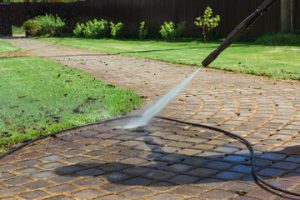
Pressure Washing Summerville is a great way to clean a wide variety of surfaces. It can be used to remove mildew, mold, dirt, moss, and other unwanted substances from outdoor surfaces such as sidewalks, driveways, patios, and decks.

Pressure Washing

Most pressure washers have nozzles that are color coded to indicate their level of power. A red nozzle produces the strongest spray, followed by yellow and then white.

Dirt and grime buildup on surfaces around homes, affecting their appearance and increasing the risk of damage to exterior materials. Using a pressure washer, dirt, mildew and other materials can be easily removed from home siding, decks, pool areas, driveways, farm equipment, brick surfaces and more. Unlike traditional cleaning methods, pressure washing removes dirt and debris without damaging or wearing away surfaces.

Mold and mildew are not just aesthetically displeasing, but they can also indicate a structural problem with walls or roofs. Regularly scheduled pressure washing helps to prevent the spread of these harmful organic materials, allowing homeowners to identify maintenance issues and address them before they become costly repairs or replacements.

The removal of organic material like mildew and mold from exterior surfaces also improves safety, reducing the risk of slips and falls. Additionally, removing slime buildup from walkways and decks makes them safer for family members to walk on.

Regularly scheduled pressure washing can also help to prepare surfaces for refinishing projects like staining or painting by removing contaminants that could interfere with adhesion. The nozzles and water pressure can be adjusted according to the type of surface being cleaned, ensuring that delicate surfaces are not damaged by high-pressure water.

While the benefits of pressure washing extend beyond just a clean and refreshed look, it can significantly increase a property’s value. Regularly scheduled pressure washing reveals the original beauty of exterior surfaces, making them more approachable and attractive to visitors and potential buyers.

In addition, regularly scheduled pressure washing reduces allergens such as pollen and dust mites that can cause respiratory issues for some people. This also allows for pests and insects to be detected early on and dealt with before they become a larger issue. This can protect the health and safety of your loved ones while protecting the investment you’ve made in your home.

Prevents Damage

Pressure washing, also known as power washing, uses high-pressure water to clean a variety of outdoor surfaces. This cleaning method is extremely effective and can remove stubborn stains, dirt, grime, mold, mildew, and more. It is an eco-friendly way to spruce up your home or business and maintain it’s value.

Regular pressure washing prevents damage from occurring to your property and saves you from costly repairs down the road. Dirt, algae, and mildew can cause serious structural damage to your home and lead to rot, deterioration, and more. Pressure washing rids these substances of their hold and prevents them from damaging your property, preserving your investment.

When done properly, pressure washing is safe for most surfaces. However, it is important to research the surface material you’re washing to ensure that you are using a proper pressure setting and are not damaging your property. Improper use of a pressure washer can result in etching on certain surfaces, chipped paint, and damaged wood. Hiring a professional who can perform an expert evaluation of your property and utilize the right nozzles and detergents is the best way to safely and effectively pressure wash your home or business.

It’s recommended to hire a professional service for pressure washing because they use this tool daily and know how to handle the job efficiently. They have the experience and expertise to get the job done right the first time, saving you valuable time and effort.

When hiring a professional, choose one that offers a free estimate and consultation before starting the job. This will give you a better idea of how long the job will take and how much it will cost. It will also help you decide if pressure washing is the right option for your property.

Lastly, be sure to hire a professional who offers eco-friendly and biodegradable detergents and cleaning solutions that are tough on grime but gentle on the environment. They will also have the right equipment to handle any size property and get the job done quickly and thoroughly. Make sure you have a clear schedule of when you want the job to be completed.

Increases Property Value

In an increasingly competitive real estate market, the condition of a property’s exterior surfaces is crucial to its appraisal value. Pressure washing is an effective way to enhance a home’s curb appeal and make it stand out against its competition, establishing a strong first impression with prospective buyers. A clean, sparkling exterior reflects meticulous upkeep and offers an indicator of the care and attention that may be expected to continue upon purchase.

The high-pressure water jets used in pressure washing eliminate dirt, grime, mold, mildew, lichen, and other organic growth that can cause long-term damage to exterior walls, roofs, driveways, and decks. By restoring these surfaces to their original, like-new appearance, homeowners can avoid expensive repairs and replacements. Additionally, regular cleaning helps preserve the life of wood materials such as fences and decks.

Dirty surfaces don’t just look bad, they can also compromise a home’s energy efficiency. Mold, mildew, and other contaminants can act as insulators, blocking heat transfer and increasing a home’s utility bills. By eliminating these impurities, and allowing natural light to enter living spaces, pressure washing increases a property’s overall energy efficiency.

Pressure washing is a cost-effective and safe alternative to more costly methods of surface maintenance, including painting, repainting, and sanding. In fact, homeowners who hire professionals to regularly perform power washing can expect a return on investment within just a few years.

The cost-effective nature of this service, combined with the potential to increase a home’s value and accelerate its sale, makes it an attractive financial option for Houston area homeowners. By highlighting the immediate and lasting benefits of this maintenance technique, homeowners can maximize their returns and protect their assets in the future.

The aesthetically pleasing effects of pressure washing are undeniable, allowing it to significantly elevate a property’s value and make it stand out in Houston’s bustling real estate market. As a result, this maintenance technique is becoming a preferred method for property enhancement in 2025. In the crowded housing market, properties that exhibit vibrant, refreshed aesthetics will have an advantage over their competitors and enjoy a quick, hassle-free sale.

Prevents Mold and Mildew Growth

Mold and mildew grow in damp, humid environments, making exterior surfaces prone to their growth. They not only discolor surfaces, but can also damage them over time by penetrating into cracks and crevices. If left unchecked, these organisms can cause rot or decay to wood and vinyl surfaces. In addition, their spores can spread to other areas and continue growing.

Fortunately, addressing mold and mildew growth with pressure washing can help to prevent future problems. Pressure washing removes the surface dirt and organic matter that helps to promote their growth, while also stripping away their food source. In addition, a properly-chosen cleaning solution can be used to kill spores and inhibit their return.

As such, combining pressure washing with preventative strategies is key to keeping your home or business mold-free. Using a dehumidifier and improving ventilation to reduce moisture can be helpful. Inspecting your home regularly for leaks and addressing them quickly can also prevent mold from forming.

A thorough, professional pressure wash with the right psi and water rotation can effectively rid surfaces of mold and mildew. In addition, using a biodegradable cleaner can further enhance your results by killing bacteria that contribute to the growth of these organisms.

Although tackling mold and mildew with regular cleanings is an effective strategy, it is not a permanent solution. As the weather becomes increasingly colder, the growth of these organisms will likely increase, necessitating frequent and extensive cleanings. However, incorporating preventative measures to reduce moisture and humidity can greatly improve the longevity of your surface cleanings.

By addressing issues that can contribute to the growth of these organisms, such as preventing moisture buildup by ensuring gutters are free of debris and downspouts are directed away from the foundation and sloping soil away from your home or business, you can extend the lifespan of your surface washing. In addition, utilizing building materials that naturally resist the growth of mold and mildew can also prolong the life of your outdoor surfaces.

Furnace Repair Costs

If you’ve been noticing an odd smell, a squealing sound or higher energy bills, it’s time to get your furnace repaired. A timely repair can reduce damage, save money and improve comfort.

For example, a squealing noise may indicate the blower belt has slipped. A technician at FURNACE REPAIR CINCINNATI can easily slide it back into place or replace it. 

Costs and Estimates

Furnace Repair

The overall cost of a furnace repair can vary considerably, depending on the complexity of the issue and the price of replacement parts. Furnace repairs are also influenced by the region in which you live, as labor and parts costs tend to be higher in metropolitan areas. Furnace repair costs also tend to increase during the winter, when demand for HVAC services peaks and technicians are in high demand.

The age of your furnace can significantly impact repair and replacement costs. The older a furnace is, the more likely it is to need costly and time-consuming repairs. Investing in a newer heating system can help reduce the need for repairs, and may even save you money in the long run through reduced energy costs.

Your heating system’s fuel type can also influence repair and replacement costs. Natural gas furnaces typically require more complex components than propane or oil-based systems, which can add to the cost of repairs and replacements. If your furnace is still under warranty, some of the repair or replacement expenses might be covered, reducing your out-of-pocket costs.

Whether your furnace runs on propane, natural gas, or electricity, some of its key components are the same. These include the transformer (which converts high-voltage electricity to a lower level suitable for your furnace), burners, and draft inducer motor. The flame sensors on your furnace can also be expensive to replace if they get damaged.

A faulty thermostat can cause your furnace to stop working, but it is typically inexpensive to fix. You can also improve your home’s efficiency by replacing your old thermostat with a smart thermostat, which offers programmable features and remote control.

If your furnace is leaking water, the cost to fix the problem will depend on how extensive the damage is and what components are affected. For example, a clogged drain line will be cheaper to repair than a malfunctioning condensate pump or heat exchanger.

The best way to minimize repair and replacement costs is to keep your furnace well-maintained with regular maintenance services from a ClimateCare member. These annual check-ups help prevent small issues from escalating into major, costly problems and can help you avoid repairs altogether.

Choosing a Technician

If you need a furnace repair, make sure to choose the right technician. In addition to the basic qualifications of being licensed, certified and insured, a reputable technician should have experience working with your particular furnace type. He or she should also be able to explain any complex issues that may arise during the repair process.

A good sign that you’re dealing with a professional is transparency in pricing. Ideally, the technician will provide you with an upfront quote of what’s going to be charged for labor and parts. This will help you decide whether or not to move forward with the repairs.

In some cases, homeowners can handle a few simple maintenance tasks themselves rather than relying on a service professional. For example, changing a filter is one of the simplest maintenance activities that anyone can perform. Keeping your filters clean helps to improve air flow, reduce energy consumption, and prevent the growth of mold and other contaminants.

Other common repair tasks include checking for loose electrical connections, lubricating moving parts, and adjusting the thermostat settings. However, it’s important to be aware of when a repair call is necessary, especially for high-efficiency units that require frequent maintenance to keep their energy-saving features working properly.

Any abnormal odors should be a cause for concern, as well as any sudden changes in the sounds that the unit makes while running. A loud rattling sound, for example, could be an indicator that the heat exchanger is cracked and needs to be replaced.

Lastly, any electrical problems should be dealt with immediately. A tripped circuit breaker or blown fuse can interrupt the flow of electricity, leading to overheating and other complications. A faulty limit switch can also be a safety hazard, as it won’t turn off the system if it’s overheating.

Timely repairs can save you from expensive heating costs, uncomfortable homes, and health hazards. In addition, choosing the right service provider can ensure that your furnace is back up and running quickly. Be sure to look for a company with 24/7 availability and a solid reputation for customer service, as well as the ability to provide emergency repairs.

Asking Questions

When performing a repair, it’s important to ask questions. This allows you to get a better understanding of the problem and what steps need to be taken to fix it. It also helps you provide the best service possible to your customer.

You can start with the basic intake questions, like when was the last time you had your HVAC system serviced and did you change your air filter? However, you should also ask more in-depth questions to help you diagnose the problem. These can include how many square feet their house is, how many people live in it and the age of their HVAC system.

Another key question is if there are any safety precautions that need to be taken after the repair. This is especially important if the HVAC system is located in an attic. You should also ask about any warranties that may be offered on the repairs. This will allow you to protect yourself if anything goes wrong with the repair in the future. Asking these questions can make your repair experience easier and more satisfying.

Performing the Repairs

If you notice a mild burning smell when you turn on your furnace for the first time in the season or if it cycles on and off more than normal, these are usually minor issues that can be fixed quickly by an HVAC technician. However, if you get a gas, rotten egg, or metallic smell, or feel sick after turning on your furnace, stop running it immediately. This could indicate that there is a carbon monoxide leak, and this is dangerous and needs to be addressed by a professional as soon as possible.

Other common problems include a broken blower fan belt or a capacitor that has stopped working. A blower fan belt that is worn out will make your system less efficient, while a faulty capacitor can cause a power surge that causes the furnace to shut off. A technician can inspect the blower motor and replace the fan belt or capacitor to resolve these issues.

When you notice that your furnace isn’t producing enough heat, check that nothing is blocking the flow of warm air through the vents and that the thermostat is set to “Heat”. A blown fuse or a tripped circuit breaker can also prevent your system from starting and should be checked by a technician to ensure that they have been reset properly.

A corroded or cracked heat exchanger is another serious issue that requires professional attention. A heat exchanger is a coil of tubes that moves heated air throughout your home, and cracks can cause unsafe conditions that should be resolved immediately.

Your furnace may not be running at all if the flame sensor rod has become coated in soot, which can inhibit the burner from lighting. A technician can remove the flame sensor rod and clean it with emery cloth. If it is still unresponsive, the rod may need to be replaced.

Why Realtors Are Important to Home Buyers and Sellers

The National Association of Realtors is a trade group that protects its members by enforcing a strict code of ethics. Anyone who claims to be a REALTOR must adhere to the code, which consists of 17 articles and 71 supporting standards of practice.

Home Buyers

Realtors are a crucial part of the home buying process. Many aspects of their job remain unknown to their clients.

If you’re thinking of buying or selling your home, you need an experienced real estate professional to guide you through the process. Choosing an agent who has access to the Multiple Listing Service (MLS) can make your search for the perfect property much more efficient. In addition to providing a comprehensive inventory, the MLS allows home buyers and their agents to identify properties that may meet their specific needs.

The MLS is a database of residential and commercial property listings that is maintained by real estate broker-owned organizations. Its members pay monthly fees to access listing data and services. In addition to active listing information, many MLSs also offer historical sales and market data. This is valuable to both homebuyers and sellers who can use it to determine the value of a home or determine the best pricing strategy for a listing.

MLS listings feature property information including square footage, number of bathrooms and bedrooms, lot size, location and other details. The information is standardized, making it easy for agents to find comparable homes for their clients. The MLS is also an effective tool for showcasing the properties of sellers to potential buyers, which can lead to a quicker sale.

Realtors also have access to data that isn’t available to the public, such as RPR (Real Property Resource), which includes school, demographic, neighborhood and tax information. This enables them to better assess a property’s value and understand the local market, allowing them to make informed decisions for their clients.

The MLS is one of the most important tools that real estate professionals use. It provides a vast network of real estate professionals and potential buyers to showcase your property. Without it, you’re likely to have a much slower and more difficult time finding your dream home or selling your current one. In addition, real estate agents can leverage the MLS to determine the right price for your property based on comparable listings, which ensures you get a fair market value. This means you’re more likely to receive the highest offer and close escrow quickly.

They Have a Strong Knowledge of the City

Many Realtors work in local real estate markets and are familiar with the areas they serve. They know the neighborhoods, schools and other community information that buyers may want to consider. This includes amenities, property values, crime rates and any planned growth that could impact a home’s value over time.

A Realtor’s knowledge of a neighborhood helps them to advise clients on a property’s price and the best way to market it. They can also help a client find financing options. They can recommend a mortgage professional and provide information on the types of mortgages available to homebuyers.

Realtors can also give advice on preparing a home for sale, including decluttering, cleaning and making repairs. They can also advise sellers on pricing their home based on the latest market data and comparable properties. This can ensure that a home is priced fairly and not over or underpriced.

In addition, a Realtor can provide information on a property’s history. This can be helpful for homebuyers who are unsure of a property’s past and are concerned about its future potential. They can also assist homebuyers with obtaining pre-approval for a mortgage.

Having a good Realtor is essential to the successful completion of a homebuying or selling transaction. They can act as a rock during emotionally charged moments by remaining impartial and helping to keep a client’s focus on the important issues. They can also be the liaison between a buyer or seller and a lender, and help facilitate the inspection and closing processes.

Realtors must follow a Code of Ethics outlined by the National Association of Realtors, or NAR. The code demands a high standard of ethical conduct from members and provides penalties for violations, including fines and expulsion from the association. Local boards oversee enforcement of the code, and no national statistics are available on how often disciplinary actions are taken against Realtors. The code covers topics such as maintaining confidentiality, keeping client interests first, disclosing relevant facts about a property and cooperating with other Realtors.

They Have Experience

Whether you’re looking to buy or sell your home, hiring the right real estate professional can make the difference in a successful, stress-free experience. While a real estate agent, broker and Realtor are all real estate professionals who can assist you with buying or selling your home, a Realtor takes a few steps further by joining the National Association of Realtors (NAR). Realtors have additional training and experience in the field that sets them apart from other agents and brokers, which can lead to better results for you as a buyer or seller.

Realtors are market experts who know the area where they work well inside and out. This knowledge comes in handy when it’s time to determine a property’s value. They can give you insights into neighborhood trends, market conditions and pricing structures, which help you understand why a home is priced as it is. They can also provide you with information about local services and resources, like lenders, home inspectors and contractors.

If you’re a buyer, your Realtor will connect you with a mortgage lender to begin the pre-approval process. This can help speed up the buying process and make you more competitive in a bidding situation. Additionally, a Realtor can help you navigate the complex paperwork associated with a home purchase, and they’ll be by your side throughout the entire process to answer any questions you may have.

When choosing a Realtor, ask about their years of experience and the type of properties they’ve sold in your price range. Inexperienced agents might focus solely on pricing and ignore other contingencies like inspections or financing, which can derail a deal. Additionally, an inexperienced Realtor might rush to celebrate a sale as soon as it goes “under contract.”

A Realtor isn’t just a transaction facilitator; they’re a long-term relationship builder who’s dedicated to making your home-buying or selling experience as happy and seamless as possible. They’ll transform home viewing into an art form, highlighting both charms and challenges of each property to help you envision your life there. They’ll be your negotiation ninja when it’s time to make an offer and secure the best possible terms. And they’ll be by your side even after you get the keys, offering continued advice and support.

They Have Negotiating Skills

Realtors must be able to negotiate effectively in their professional lives, as well as in their personal lives. Negotiating a job offer, asking for a raise or budget increase, buying and selling equipment and property, and closing deals all require the skill to create offers and counteroffers that are mutually beneficial.

Effective negotiating skills include clear and concise communication, as well as understanding the other party’s perspective and seeking win-win solutions. They also involve creative problem-solving, which can help you find unique ways to create a solution that is better for both parties. Finally, they’re based on empathy, which helps you see the situation from the other person’s point of view and create a solution that aligns your interests and theirs.

When negotiating on behalf of clients, Realtors must be able to clearly communicate their expertise and market knowledge. This means educating consumers on how they can make the best decisions and helping them navigate the buying and selling process as smoothly as possible. It’s also essential to have a strong understanding of the local real estate market, including current trends and upcoming changes that may affect the property values or ability of buyers or sellers to reach a deal.

In addition to negotiating contracts, Realtors often spend time on administrative tasks such as preparing disclosure documents, attending property inspections, arranging mortgages and loan approvals, and hosting open houses. They also play an important role in marketing and advertising their services, as they work to develop and maintain relationships with potential clients and other professionals within the industry.

Realtors are also expected to adhere to the National Association of Realtors Code of Ethics, which requires members to “engage in fair and ethical business practices with all parties to a transaction.” This includes avoiding conflicts of interest, respecting others’ exclusive relationships with their clients, and keeping client information confidential.

Realtors must be able to understand the market inside and out, as well as have good leadership and organizational skills to manage their businesses. Additionally, they must be able to effectively network and engage with clients, as well as have strong customer service and communication skills to build trust. They must also stay abreast of technological developments, as well as political and economic factors that might impact the housing market or local communities.

How to Avoid Roof Repair Costs

A little rain must fall, but leaks from a damaged roof are more than just an inconvenience. They can cause everything from structural damage to black mold and electrical issues.

Roof Repair

Localized problems such as a single leak or missing shingles are often best addressed with repairs. More widespread issues like sagging areas or extensive leaks require a full replacement. Contact Five Star Roofing and Contracting for professional help.

The cost of roof repair can vary widely based on the type and extent of damage, as well as the size and complexity of the roofing system. Minor repairs, such as fixing small leaks or replacing a few shingles, are typically less expensive. Larger repairs, such as addressing extensive water damage or replacing large sections of the roof, can be significantly more costly.

The materials used in roof repair can greatly influence the overall cost. Generally, premium roofing materials are more expensive than standard options, but they offer greater durability and longevity. Other factors that impact material costs include the roof’s size and complexity, as well as the geographic location. Labour costs also play a significant role in the final cost of the repair. Complex or intricate repairs may require specialised skills, which can lead to higher labour rates. In addition, larger repairs can generate more waste, which will result in additional disposal costs.

In Maryland, the cost of roof repair can vary based on local labor rates and the availability of roofing materials. In addition, different areas might have differing building codes or permit fees, which can increase the cost of the project.

It’s important to understand the cost of roof repair so that you can budget appropriately. It’s also vital to catch problems early, so that they don’t worsen over time. Delaying roof repairs can increase the risk of more extensive and costly issues down the line.

The cost of repairing and maintaining a metal roof can range from $300 to $1,200 per square foot. This includes the cost of materials, installation, and labour. The average metal roof is 15 to 20 years old, and regular maintenance can help extend the life of the roof. Inspecting the roof on a regular basis is critical to spot potential issues. A professional can perform a complete roof evaluation to help identify problems before they become severe.

A damaged roof can impact the health and safety of your family, as well as your property’s value and resale value. Replacing a roof can cost more upfront, but it adds value and comfort to your home, as well as protecting valuable possessions.

Time

Roofs must endure the elements all year round, so it’s no surprise that they can wear down over time. The key to keeping your roof in good condition is regular maintenance and timely repairs when problems arise. Neglecting to do so can lead to leaks, rot, mold growth, and even structural damage.

Whether your home needs an entire new roof or just minor repairs, it will take some time to complete the work. The length of time will depend on the extent of the repairs and the size of your home.

A roof repair contractor should perform a thorough inspection of your roof before beginning any work. They should be able to examine every inch of your roofing system, locating any areas where the weather has caused damage. They should also be able to recommend the appropriate roof repair solution for these problem areas. If your roof repair contractor finds any damage that insurance will cover, they should be able to guide you through the entire claims process from start to finish.

The most common roof repair is replacing missing or damaged shingles. This may be due to recent storm damage or simply normal wear and tear over the years. Localized water spots or leaks are another common sign that it’s time for a roof repair. These types of problems usually only affect a small area, so they’re easier to address than large leaks or holes in the roof’s surface.

Other common roof repair issues include repairing gutters and flashing. Flashing is a soft metal material that seals the gap between a roof’s surface and any walls or penetrations, like chimneys. This is a common source of leaks in homes, so it’s important to replace any damaged flashing. Inspectors will also look for moss or rot in wet or shaded areas, which can indicate moisture retention and lead to further problems.

Leaky or outdated roofs are a turnoff for potential buyers and can affect the value of your home. Buyers may seek a lower price or delay or back out of the sale altogether, especially if they find out there are serious concerns. The best way to protect your property and save money is by completing roof repairs as soon as possible.

Risk

The structural integrity of a home is dependent on a healthy roof. It is therefore important to identify and address any damage that may be present. Whether this damage is glaring and urgent, or subtle and slow to develop, it can lead to serious interior problems such as sagging ceilings and warped walls. It also poses health risks to the inhabitants of the home, including mold and respiratory problems. In addition, a leaky roof can cause extensive water damage that is expensive and time-consuming to repair.

Even one missing shingle can create a water leak. Often the first signs of leaks are dark streaks or spots on the ceiling, or a trail of moisture that is easy to follow. A professional roofer can perform a thorough inspection to identify the source of the leak and make repairs as necessary.

Water damage can lead to sagging ceilings, mold growth, and rot in the home’s structure. It can also damage the insulation, causing an uncomfortable indoor environment. Regular roof maintenance and repair can prevent these issues, and help you avoid costly structural damage in the future.

In addition, a leaky roof can increase energy costs. Gaps in the roof allow conditioned air to escape, forcing your HVAC system to work harder to maintain a comfortable temperature. This can result in higher energy bills, and a less efficient living space. Replacing the shingles and sealing leaks as soon as possible can save you money in the long run.

Roof leaks can be caused by a number of things, such as faulty flashing, clogged gutters, or worn-out roofing materials. In some cases, these problems can be fixed with a minor roof repair, such as replacing cracked or damaged shingles or resealing cracks around chimneys and vents. In other cases, more extensive damage may be required. For instance, a leaky skylight can require specialist repair to prevent water infiltration and other problems.

There are many dangers associated with roof repair, especially if you’re not a trained professional. Accidents involving falls from roofs are common, and can range in severity from broken bones to fatal injuries. To mitigate these risks, you should only attempt roof repair in favorable weather conditions. Windy or wet conditions can reduce traction and destabilize ladders, while fog, rain, or snow can obscure hazards and cause accidents.

Insurance

One of the best ways to avoid spending thousands of dollars on roof repair is to have insurance coverage that will reimburse you for any damages caused by an unexpected event. Most homeowner’s insurance policies include specific provisions for the protection of your home, including its roof. By familiarizing yourself with these details, you can maximize the benefits of your policy and prevent any unexpected costs from arising.

The type of coverage you’ll want to consider will vary depending on the specific risks in your area. Generally speaking, insurance will cover damage from sudden and accidental events such as fires, tornadoes, or severe storms. However, some policies exclude normal wear and tear due to neglect or poor maintenance.

Keeping up with your regular roof inspections will help ensure that your insurance company will recognize any potential problems when they occur. Ideally, you should also keep a record of any roofing issues, including repairs that have been made and the results. This will help you provide documentation and support to your insurance agent when it comes time to file a claim.

When filing a claim, you’ll need to provide documentation of any damage and request funds for repairing or replacing the damaged parts of your roof. This process will typically involve an insurance adjuster visiting your home and conducting a full inspection. Make sure that you and your contractor are present during the inspection so that they can answer any technical questions.

Once the inspection is complete, your insurance provider will provide you with funds to cover the cost of repairs up to your policy’s limits. They’ll pay out either the actual cash value (ACV) or replacement cost value of your roof minus any deductible. If you’re interested in having your insurer settle claims on a stated value basis rather than an ACV policy, be sure to ask your agent about that option.

While insurance will reimburse you for any damages caused by an unfortunate event, it won’t cover the costs of repairing your roof because of poor maintenance or general wear and tear over time. By staying informed of your coverage, maintaining regular inspections, and advocating for fair settlements from your insurance provider, you can help ensure that your home’s most important structure is protected from the unexpected.

Cabinet Refinishing Safety Tips

Cabinet Refinishing

Cabinet Refinishing Modesto is a cost-effective way for homeowners to update their kitchens. The process involves cleaning, sanding, and applying a primer. The job requires a lot of chemicals and tools, so it’s important to take steps to protect yourself.

Make sure the work area is well-ventilated. It’s also a good idea to wear gloves and a respirator, especially when working with chemicals.

1. Wear Protective Clothing

Before getting started, prepare your workspace by laying down drop cloths or plastic sheeting to protect floors and adjacent surfaces. If you plan on using paint, stain, or glaze, test it on a small area first to make sure it adheres and dries properly.

Always clean cabinet surfaces thoroughly prior to painting or refinishing to prevent unwanted damage. For particularly dirty surfaces, use a degreaser such as trisodium phosphate (TSP) and soapy water to remove grease.

Use a high-quality primer to ensure proper adhesion and a smooth finish. Allow it to dry completely before moving on to the final coat. Inspect your work regularly for imperfections that can be easily fixed with a quick touch-up. This prevents rushed work that can lead to unsatisfactory results. This includes addressing areas of discoloration, drips or uneven textures. This will also give you the opportunity to reapply protective topcoats if needed.

2. Wear Eye Protection

It’s vital to wear eye protection when working with chemicals and tools. Choose glasses, goggles or a face shield with an ANSI Z87.1 safety rating. Make sure your eye protection is comfortable and secure, and that it fits well. Also, clean it daily and keep it in a case when not in use to prevent scratches or damage.

The right refinishing process is critical to a quality finish that will last. Begin by thoroughly cleaning the cabinets with a gentle kitchen cleaner, such as trisodium phosphate (TSP), to remove grease and dirt.

Impatience can lead to costly mistakes like a sticky surface and drips. Be patient and allow each coat to dry properly before applying another. Consider environmental factors like humidity and temperature to enhance drying conditions. Also, work in a well-ventilated area. This helps prevent fume inhalation.

3. Wear a Respirator

A respirator is a personal protective device that covers the nose and mouth and allows air to pass through it. It can be worn by a worker to help reduce exposure to dangerous chemicals, fumes or dust. A respirator must be selected carefully by an experienced safety professional or occupational hygienist familiar with the work environment.

The type of respirator required depends on factors such as if the work is being done in a hot or confined space, the types of contaminant present and their concentrations, and whether they are carcinogenic, irritating to the eyes or skin, or toxic in other ways. When using a respirator, it’s important to work in well-ventilated areas and only for short periods of time. Opening windows and using fans can also reduce the risk of inhaling harmful fumes.

4. Wear Gloves

Gloves provide important hand protection in a variety of work environments. There is no one-size-fits-all solution to selecting the right gloves for a job, so it’s critical that workers select the appropriate glove type and size based on the specific hazards they face.

Consider the types and concentrations of chemicals, performance characteristics, permeation time and other factors when deciding on the appropriate glove material. It’s also worth noting that all glove materials eventually permeate, even if they offer excellent chemical resistance.

Double gloving may also be an option, allowing for better dexterity while providing additional barrier protection in the event that an inner pair of gloves experiences degradation or contamination. It’s essential that any gloves used are inspected regularly for signs of degradation and replaced when necessary. A reputable manufacturer’s glove chart can help determine the appropriate gloves for a specific chemical.

5. Wear Safety Glasses

Refinishing cabinets requires a lot of handling, so it is important to wear safety glasses. This will protect your eyes from dust, chips and chemicals. Look for glasses that have side protection (side shields) in addition to front-facing lenses. This will help keep the glasses from slipping down your face, and it can also offer added protection in case of an impact.

Additionally, make sure to choose a quality primer that will provide a good foundation for your top coat. This will promote better adhesion and lead to a smoother finish. Additionally, be sure to look for a primer that has low odor and dries quickly. Comfort features such as lightweight frames and adjustable nose pads can help ensure your workers will be able to work comfortably with their safety glasses. This will minimize downtime and lost productivity.

6. Wear a Mask

A mask helps protect you against the harmful effects of certain chemicals, such as abrasives and corrosives. A mask can help prevent inhalation of these substances, which can be toxic and even lead to lung disease or other health problems.

When cleaning your cabinets, be careful not to damage the finish. Many household cleaners contain abrasive materials that can scratch the surface and leave permanent marks that are difficult to remove. Use only mild, ph-balanced cleaners for wood surfaces and avoid steel wool, scouring pads and sandpaper.

A clean workspace is essential for achieving professional results. Regular sweeping and vacuuming helps keep work areas free of debris, stray paint, and dust that may mar the final appearance. Keeping tools and supplies organized also helps ensure that they are easily accessible when needed. Lastly, it is important to take into consideration environmental conditions like humidity and temperature.

7. Wear Respiratory Protection

Refinishing projects produce dust, fumes, and other airborne particles that can be irritating or dangerous if inhaled. When possible, work outdoors or in a well-ventilated room. Open windows and use fans to circulate the air to help reduce the risk of inhaling harmful fumes.

Tip: Start by removing cabinet doors and drawers, then label each piece to make reassembly easier. Protect surfaces you don’t plan to paint by covering them with plastic and tape. If necessary, move appliances away from the cabinets to keep them safe from paint splatters.

Environmental factors can affect the way that wood and paint behave, including how quickly it dries and how evenly it adheres. Be patient and follow the manufacturer’s recommendations for drying times. Rushing often leads to subpar results. Similarly, exposing refinished cabinets to unfiltered sunlight can bleach stain pigments and cause them to discolor over time.

8. Wear Protective Shoes

If you are working in an area with potential chemical hazards, wear safety shoes that have a reinforced toe cap and slip resistant soles. These shoes are designed to prevent feet from stepping on nails, scrap metal or other objects that could puncture the shoe. They should fit well and be regularly inspected for signs of wear. Consider wearing socks with your shoes for extra comfort and support. Footwear should also be made of shock absorbing material if you will be on your feet for long periods of time to protect against fatigue.

It is important to work in a well-ventilated area while refinishing cabinets. Make sure to keep the workspace clean to avoid dust, dirt and stray paint from marring finished surfaces. A skilled cabinet painting team can ensure quality results while keeping you safe throughout the process.

9. Wear a Dust Mask

Refinishing cabinets requires a fair amount of work, patience, and elbow grease. Tackling a cabinet refinishing project on your own can be cost-effective and satisfying if you’re comfortable with the process and willing to put in the time.

Choosing quality materials, from sandpaper to paint to stain, makes all the difference. Good quality products are formulated to provide better adhesion and longevity, giving you the look and durability you want for years to come.

Maintaining a clean workspace throughout the refinishing process is also essential for great results. Regular sweeping and vacuuming help prevent dust buildup that can mar the finish. And keeping all your supplies organized helps you stay efficient and prevents misplaced tools. Lastly, protecting nearby surfaces with drop cloths and plastic sheeting is important for keeping them safe from paint splatters. It also ensures you don’t accidentally damage countertops, floors, and other areas of your home.

Navigation