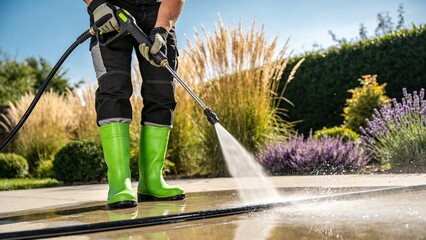
There is something deeply satisfying about watching years of dirt and grime disappear in seconds. A dull driveway suddenly looks bright again, a weathered wall regains its original color, and surfaces that once seemed beyond repair come back to life. Power washing has become one of the most effective and efficient ways to clean and restore a wide range of surfaces, making it a valuable tool for both maintenance and transformation.
Power washing, also known as pressure washing, uses high pressure water to remove dirt, mold, mildew, and other contaminants from surfaces. It is widely used in residential, commercial, and industrial settings because of its ability to deliver fast and noticeable results. Understanding how Windsor Power Wash works and when to use it can help maintain the appearance and longevity of different materials.
Understanding How Power Washing Works
Power washing relies on a high pressure stream of water to break down and remove stubborn debris from surfaces. The equipment typically includes a motor that powers a pump, which increases the pressure of the water before it is released through a nozzle.
The pressure level can be adjusted depending on the type of surface being cleaned. Softer surfaces require lower pressure to avoid damage, while harder surfaces can handle higher levels of force. This flexibility allows power washing to be used in a variety of applications.
Some systems also incorporate heated water, which can improve cleaning effectiveness by breaking down grease and tough stains more easily. The combination of pressure and temperature makes power washing a powerful cleaning method that goes beyond what traditional cleaning techniques can achieve.
Common Surfaces That Benefit From Power Washing
Power washing is suitable for many types of surfaces, making it a versatile cleaning solution. Driveways and sidewalks are among the most common areas treated with power washing. These surfaces often accumulate dirt, oil stains, and debris that can be difficult to remove by hand.
Exterior walls and siding also benefit from this process. Over time, exposure to the elements can cause buildup of dust, mold, and mildew. Power washing helps restore the original appearance and prevents long term damage.
Decks and patios are another key application. Wooden and concrete surfaces can become discolored and slippery due to moisture and organic growth. Cleaning these areas improves both appearance and safety.
Fences, roofs, and outdoor furniture can also be cleaned using power washing techniques. Each surface requires the appropriate pressure and method to ensure effective cleaning without causing harm.
The Difference Between Power Washing and Pressure Washing
While the terms are often used interchangeably, there is a slight difference between power washing and pressure washing. The main distinction lies in the use of heated water.
Power washing typically uses hot water, which is effective for removing grease, oil, and heavy stains. The heat helps break down substances that may not respond well to cold water alone.
Pressure washing, on the other hand, uses high pressure water without heat. It is still effective for general cleaning tasks and is commonly used for residential applications.
Understanding this difference can help determine which method is best suited for a specific cleaning task. In many cases, both approaches can achieve excellent results when used correctly.
Benefits of Regular Power Washing
Regular power washing offers several benefits that go beyond surface level cleaning. One of the most noticeable advantages is improved appearance. Clean surfaces enhance the overall look of a property and create a more welcoming environment.
Another important benefit is the prevention of damage. Mold, mildew, and algae can cause deterioration over time if left untreated. Removing these contaminants helps protect surfaces and extend their lifespan.
Power washing also contributes to health and safety. Slippery surfaces caused by algae or buildup can increase the risk of accidents. Cleaning these areas reduces hazards and creates a safer environment.
In addition, maintaining clean surfaces can increase property value. A well maintained exterior reflects care and attention, which can be appealing to visitors or potential buyers.
Choosing the Right Pressure and Technique
Using the correct pressure and technique is essential for effective and safe power washing. Different materials require different approaches to avoid damage.
Hard surfaces such as concrete and stone can handle higher pressure levels, allowing for deep cleaning of stubborn stains. Softer materials, such as wood or painted surfaces, require lower pressure to prevent chipping or erosion.
The choice of nozzle also affects the outcome. Narrow nozzles produce a more concentrated stream, while wider nozzles distribute the pressure over a larger area. Selecting the appropriate nozzle helps achieve the desired results.
Proper technique involves maintaining a consistent distance from the surface and moving the spray evenly. This prevents uneven cleaning and reduces the risk of damage.
Understanding these factors ensures that power washing is both effective and safe.
Environmental Considerations and Water Usage
Power washing can have an environmental impact if not managed properly. Water usage and runoff are important factors to consider during the cleaning process.
Using eco friendly cleaning solutions can help minimize environmental harm. These solutions are designed to break down contaminants without introducing harmful chemicals into the surrounding area.
Managing runoff is also important, especially when cleaning areas with oil or chemical residue. Proper disposal methods help prevent contamination of nearby soil and water sources.
Efficient use of water can reduce waste while still achieving effective cleaning. Adjusting pressure levels and using the right equipment can make the process more sustainable.
By taking these considerations into account, power washing can be performed in a responsible and environmentally conscious manner.
When to Schedule Power Washing
Timing plays a role in the effectiveness of power washing. Regular maintenance schedules help keep surfaces clean and prevent buildup from becoming difficult to remove.
Seasonal cleaning is a common approach. Many people choose to power wash in the spring or early summer to remove dirt accumulated during colder months. This prepares surfaces for increased outdoor use.
After storms or heavy weather, power washing can help remove debris and restore surfaces. It is also useful before painting or refinishing, as it creates a clean base for new materials.
The frequency of power washing depends on factors such as location, weather conditions, and the type of surface. Regular assessment of surfaces can help determine when cleaning is needed.
Final Thoughts
Power washing is a powerful and efficient method for maintaining and restoring a wide range of surfaces. Its ability to remove dirt, stains, and contaminants quickly makes it an essential tool for both residential and commercial care.
By understanding how power washing works and applying the right techniques, it is possible to achieve impressive results while protecting surfaces from damage. Regular maintenance not only enhances appearance but also extends the life of materials and improves safety.
Whether used for routine cleaning or major restoration, power washing offers a practical solution that combines effectiveness with convenience. With proper care and attention, it can help keep spaces looking clean, fresh, and well maintained for years to come.