Tag: roof inspection

How Roofing Maintenance Can Extend the Life of Your Roof

Performing regular Roofing Helena MT maintenance is a great way to extend the life of your roof. Minor issues like missing shingles can quickly escalate into major problems if left unchecked.
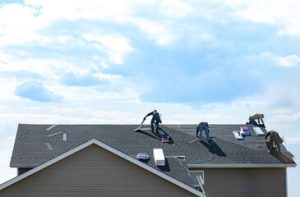
Roofing

Extensive moss growth should also be addressed; extensive growth is a sign of moisture retention and can damage the underlying shingle layers. Keeping trees trimmed is important as well, to prevent branches from scraping the surface of your roof during high winds or severe storms.

A roof isn’t a single element, but a whole system that encompasses several key parts. The shingles or tiles form the outermost layer that bears the brunt of the weather, but there’s also underlayment and the roof deck that provide extra protection. The rafters and trusses make up the roof’s framework, and any sagging or bending can indicate structural damage.

The inspector will carefully examine the attic and eaves to ensure there are no signs of stress or deterioration. They’ll also look at the sheathing and rafters for any rot or water damage. In addition, they’ll check the ventilation systems to ensure that they’re working properly. If not, moisture buildup can lead to rotting and mold.

Next, the inspector will move on to examine the flashing, which provides a durable seal around vent pipes, joints, and edges. Cracks or gaps in the flashing can let rain in and cause further problems. The inspector will also check the ridge caps and chimneys for any damage or blockages. Finally, they’ll examine the soffit boards and fascia for signs of damage or rot.

The inspector will also check the shingles and tiles for any signs of wear or tear. They’ll also look for any missing granules, which can signal shingle deterioration. The inspector will then move on to examine the vents and skylights. They’ll look for any blocked areas or leaks, and they’ll inspect the neoprene pipe boots and turbine vents to ensure that they are functioning properly. If not, the inspector will recommend replacements. The inspector will also carefully examine the interior ceilings for any signs of leaks, such as water stains or mildew. If they spot any, the inspector will take detailed notes and notify the client of the necessary repairs.

Clean the Gutters

Gutter systems play an important role in directing water and debris away from the roof. Clogged gutters can cause flooding and even damage the walls of your home. Regular cleaning will help keep them functioning properly. This is particularly important if you live in a region that experiences tropical storms and hurricanes or has lots of trees close to your house.

Gutter cleaning is typically a DIY job, but it requires access to a ladder and some heavy-duty gloves. It’s also recommended to wear a pair of protective eyewear. To avoid the risk of injury, set up a ladder on solid ground and secure it with a sturdy stabilizer. It’s also a good idea to have someone else hold the ladder while you’re cleaning.

Begin by using a gutter scoop to remove any large materials in the gutters. This will help you break apart any tough clumps and will save your hands from becoming too dirty. Then, flush the gutters with a garden hose to remove any remaining gunk. Make sure to check the downspouts for clogs as well. If necessary, use a plumber’s snake to dislodge any blockages inside the downspouts.

If you’re having trouble getting your gutters clean, try spraying them down with a store-bought solution that’s designed to cut through grime. Alternatively, you can mix up your own chemical solution from cream of tartar and water. The acidic nature of the solution helps break down dirt and stains. Then, rinse the gutters down with a hose to clean them completely. After you’re finished, check the gutters for any leaks or holes. If you find any, repair them as soon as possible to prevent further damage to your roof and walls.

Trim the Trees

Trees are a beautiful part of any landscape, adding curb appeal and value to the property. However, when trees grow too close to the roofline of a home they can cause major damage, particularly during severe storms. Overgrown branches scrape and erode shingles, break gutters and can even pull away tiles from the roof surface. This damage is often overlooked until a serious storm or strong winds cause the limbs to fall. Regular professional tree maintenance will prevent these hazards, protecting the roof and home.

Regular trimming keeps the tree’s canopies open, allowing proper airflow and light penetration. It also removes dead or damaged limbs, helping to prevent rot and insects on the roof. This type of maintenance can save you from expensive structural repair costs later on.

In addition to preventing damage from overhanging limbs, regular pruning helps to reduce the risk of falling debris during a storm or high wind. It can also help prevent leaves and twigs from clogging the gutters, reducing water damage and preventing roof leaks.

It’s also a good idea to check on the condition of trees on a regular basis. Look for signs of insect infestations, such as chew marks or holes in the bark. Insects can be a significant problem for your roof, as they can eat through the shingle and underlying wood, causing leaks.

When choosing a location for new trees, it’s best to plant them as far away from the roofline as possible. Ideally, they should be planted at least 20-30 feet from the house to keep their branches at a safe distance. For existing trees, make sure to trim them regularly and evaluate the landscape after weather events to ensure they aren’t encroaching on the roofline.

Inspect the Flashings

Flashing is the unsung hero of your roof, protecting critical areas like roof valleys and penetrations from water infiltration. It is vital to the structural integrity of your roof and should be inspected regularly for signs of damage or wear.

A thorough inspection of your home’s flashings will help to extend their lifespan. If you are comfortable climbing a ladder, inspect the flashings for visible cracks, gaps, or other signs of deterioration. This will allow you to repair them before the problem worsens. It is important to inspect the flashings and make necessary repairs on a regular basis, especially after severe weather events.

Damaged flashings can lead to water infiltration, which will erode and corrode underlying roofing materials, causing costly leaks and structural damage over time. Fortunately, it is relatively easy to fix any damaged flashings with roofing cement. A roof repair service can also address more extensive flashing issues, such as those caused by ice dams or improper installation.

When inspecting the flashings, pay close attention to areas around chimneys, vents, and skylights. These areas are more likely to suffer from moisture infiltration due to their location. Make sure the flashing is properly sealed around these areas to prevent water infiltration.

It is also a good idea to check for visible signs of moisture damage in your home’s attic. Signs of moisture damage include mold stains, sagging, or other issues that require prompt professional assessment and repair. Taking the time to inspect the flashings and making any needed repairs can significantly extend the lifespan of your roof, saving you thousands in future repair costs.

Replace the Caulk

Caulking is one of the simplest, most effective and least expensive ways to improve roof efficiency, but it must be properly removed and replaced in order to maintain proper function. A knowledgeable craftsperson is required to correctly apply caulking, so it is often best to hire a professional for this work.

The most obvious sign that caulk needs to be replaced is mildew or mold growth, which indicates that the sealant has allowed moisture through. This can lead to serious structural problems, especially if the mold or mildew is underneath a layer of caulk that was not applied with a tight enough seal. In addition to the obvious issues, mildew and mold can also contaminate a building and create a health problem for those living or working inside.

To prevent this from happening, it is important to inspect the caulking on a regular basis. You should look for cracking or missing areas, particularly around chimneys, vents, skylights, pipes, and equipment supports. A professional can repair these issues to prevent water damage and potential structural issues.

Inspecting the roof and making necessary repairs requires specialized equipment that can be costly to rent or purchase. It is wise to develop a checklist for each inspection, as it will ensure that you do not overlook any element that needs attention. However, it is also important to know when to step back and let a professional take on tasks that are beyond your comfort level or skillset. Doing so can save you money in the long run, especially if these tasks involve safety concerns or local building codes. Contact a professional roofing contractor to learn more about roof maintenance and the tools that are needed to complete these tasks safely.
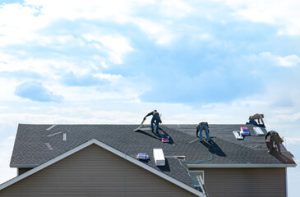
How to Avoid Roof Repair Costs

A little rain must fall, but leaks from a damaged roof are more than just an inconvenience. They can cause everything from structural damage to black mold and electrical issues.

Roof Repair

Localized problems such as a single leak or missing shingles are often best addressed with repairs. More widespread issues like sagging areas or extensive leaks require a full replacement. Contact Five Star Roofing and Contracting for professional help.

The cost of roof repair can vary widely based on the type and extent of damage, as well as the size and complexity of the roofing system. Minor repairs, such as fixing small leaks or replacing a few shingles, are typically less expensive. Larger repairs, such as addressing extensive water damage or replacing large sections of the roof, can be significantly more costly.

The materials used in roof repair can greatly influence the overall cost. Generally, premium roofing materials are more expensive than standard options, but they offer greater durability and longevity. Other factors that impact material costs include the roof’s size and complexity, as well as the geographic location. Labour costs also play a significant role in the final cost of the repair. Complex or intricate repairs may require specialised skills, which can lead to higher labour rates. In addition, larger repairs can generate more waste, which will result in additional disposal costs.

In Maryland, the cost of roof repair can vary based on local labor rates and the availability of roofing materials. In addition, different areas might have differing building codes or permit fees, which can increase the cost of the project.

It’s important to understand the cost of roof repair so that you can budget appropriately. It’s also vital to catch problems early, so that they don’t worsen over time. Delaying roof repairs can increase the risk of more extensive and costly issues down the line.

The cost of repairing and maintaining a metal roof can range from $300 to $1,200 per square foot. This includes the cost of materials, installation, and labour. The average metal roof is 15 to 20 years old, and regular maintenance can help extend the life of the roof. Inspecting the roof on a regular basis is critical to spot potential issues. A professional can perform a complete roof evaluation to help identify problems before they become severe.

A damaged roof can impact the health and safety of your family, as well as your property’s value and resale value. Replacing a roof can cost more upfront, but it adds value and comfort to your home, as well as protecting valuable possessions.

Time

Roofs must endure the elements all year round, so it’s no surprise that they can wear down over time. The key to keeping your roof in good condition is regular maintenance and timely repairs when problems arise. Neglecting to do so can lead to leaks, rot, mold growth, and even structural damage.

Whether your home needs an entire new roof or just minor repairs, it will take some time to complete the work. The length of time will depend on the extent of the repairs and the size of your home.

A roof repair contractor should perform a thorough inspection of your roof before beginning any work. They should be able to examine every inch of your roofing system, locating any areas where the weather has caused damage. They should also be able to recommend the appropriate roof repair solution for these problem areas. If your roof repair contractor finds any damage that insurance will cover, they should be able to guide you through the entire claims process from start to finish.

The most common roof repair is replacing missing or damaged shingles. This may be due to recent storm damage or simply normal wear and tear over the years. Localized water spots or leaks are another common sign that it’s time for a roof repair. These types of problems usually only affect a small area, so they’re easier to address than large leaks or holes in the roof’s surface.

Other common roof repair issues include repairing gutters and flashing. Flashing is a soft metal material that seals the gap between a roof’s surface and any walls or penetrations, like chimneys. This is a common source of leaks in homes, so it’s important to replace any damaged flashing. Inspectors will also look for moss or rot in wet or shaded areas, which can indicate moisture retention and lead to further problems.

Leaky or outdated roofs are a turnoff for potential buyers and can affect the value of your home. Buyers may seek a lower price or delay or back out of the sale altogether, especially if they find out there are serious concerns. The best way to protect your property and save money is by completing roof repairs as soon as possible.

Risk

The structural integrity of a home is dependent on a healthy roof. It is therefore important to identify and address any damage that may be present. Whether this damage is glaring and urgent, or subtle and slow to develop, it can lead to serious interior problems such as sagging ceilings and warped walls. It also poses health risks to the inhabitants of the home, including mold and respiratory problems. In addition, a leaky roof can cause extensive water damage that is expensive and time-consuming to repair.

Even one missing shingle can create a water leak. Often the first signs of leaks are dark streaks or spots on the ceiling, or a trail of moisture that is easy to follow. A professional roofer can perform a thorough inspection to identify the source of the leak and make repairs as necessary.

Water damage can lead to sagging ceilings, mold growth, and rot in the home’s structure. It can also damage the insulation, causing an uncomfortable indoor environment. Regular roof maintenance and repair can prevent these issues, and help you avoid costly structural damage in the future.

In addition, a leaky roof can increase energy costs. Gaps in the roof allow conditioned air to escape, forcing your HVAC system to work harder to maintain a comfortable temperature. This can result in higher energy bills, and a less efficient living space. Replacing the shingles and sealing leaks as soon as possible can save you money in the long run.

Roof leaks can be caused by a number of things, such as faulty flashing, clogged gutters, or worn-out roofing materials. In some cases, these problems can be fixed with a minor roof repair, such as replacing cracked or damaged shingles or resealing cracks around chimneys and vents. In other cases, more extensive damage may be required. For instance, a leaky skylight can require specialist repair to prevent water infiltration and other problems.

There are many dangers associated with roof repair, especially if you’re not a trained professional. Accidents involving falls from roofs are common, and can range in severity from broken bones to fatal injuries. To mitigate these risks, you should only attempt roof repair in favorable weather conditions. Windy or wet conditions can reduce traction and destabilize ladders, while fog, rain, or snow can obscure hazards and cause accidents.

Insurance

One of the best ways to avoid spending thousands of dollars on roof repair is to have insurance coverage that will reimburse you for any damages caused by an unexpected event. Most homeowner’s insurance policies include specific provisions for the protection of your home, including its roof. By familiarizing yourself with these details, you can maximize the benefits of your policy and prevent any unexpected costs from arising.

The type of coverage you’ll want to consider will vary depending on the specific risks in your area. Generally speaking, insurance will cover damage from sudden and accidental events such as fires, tornadoes, or severe storms. However, some policies exclude normal wear and tear due to neglect or poor maintenance.

Keeping up with your regular roof inspections will help ensure that your insurance company will recognize any potential problems when they occur. Ideally, you should also keep a record of any roofing issues, including repairs that have been made and the results. This will help you provide documentation and support to your insurance agent when it comes time to file a claim.

When filing a claim, you’ll need to provide documentation of any damage and request funds for repairing or replacing the damaged parts of your roof. This process will typically involve an insurance adjuster visiting your home and conducting a full inspection. Make sure that you and your contractor are present during the inspection so that they can answer any technical questions.

Once the inspection is complete, your insurance provider will provide you with funds to cover the cost of repairs up to your policy’s limits. They’ll pay out either the actual cash value (ACV) or replacement cost value of your roof minus any deductible. If you’re interested in having your insurer settle claims on a stated value basis rather than an ACV policy, be sure to ask your agent about that option.

While insurance will reimburse you for any damages caused by an unfortunate event, it won’t cover the costs of repairing your roof because of poor maintenance or general wear and tear over time. By staying informed of your coverage, maintaining regular inspections, and advocating for fair settlements from your insurance provider, you can help ensure that your home’s most important structure is protected from the unexpected.

Navigation