Tag: services

What Are the Advantages of 3D Printing?

3D Printing Arizona is the process of using a computer to create objects that are built up layer by layer. These objects can be made of various materials, including polymers, metals, and ceramics.

3D printing offers many advantages over traditional manufacturing processes. These include faster product development, cost-effective market testing, and on-demand manufacturing.
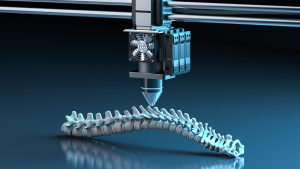
3D printing has allowed faster design iterations, allowing designers to improve a product’s or component’s shape. This translates into a better product that will satisfy customer needs.

Additionally, suppose a design requires the incorporation of complex geometries that would be difficult to machine or cast. In that case, 3D printing can allow for part consolidation by eliminating the need to create separate parts and pieces. This can dramatically reduce the overall number of parts required for a product, which in turn lowers manufacturing costs by cutting down on production time and material consumption.

The 3D printing process works by adding layer upon layer of melted plastic, metal or other materials to produce an object. This is in stark contrast to traditional manufacturing methods, which are based on subtractive processes, similar to sculpting away clay, which can be very costly due to the loss of precious material.

For industrial manufacturers, especially those introducing a large number of new products to the market a year, this can mean significantly reduced development time and improved time-to-market. It can also reduce reliance on an often cumbersome and expensive global supply chain and help companies stay more agile and responsive to changes in customer demand.

This is particularly true in industries where customers place a high value on quality over quantity, such as the automotive and aerospace industries. For example, Ford’s implementation of 3D printing has helped it to reduce its cost of prototyping by up to 90% and accelerate time-to-market. This is because designs that could take months to fabricate using CNC machinery or injection molding can be completed in under a week with a 3D printer.

Increased Innovation

3D printing allows for an increased level of innovation within manufacturing. The process uses a layer-by-layer approach to create a physical prototype that can be used for iterative testing and refinement. This can help to identify any design flaws or improvements to a product faster than traditional methods would allow.

This process also makes it easier to create complex products with intricate details. For example, it’s possible to print multi-faceted or curved surfaces that would be impossible or very expensive using subtractive or injection processes. 3D printing also allows for the creation of specialized tools, such as jigs and molds, that can be used to streamline production or reduce costs. In addition, it is possible to 3D print spare parts or replacement components for existing equipment, eliminating costly downtime caused by breakdowns.

The emergence of 3D printing technology has been fueled by advances in material science. Many of these advances have allowed for greater strength, durability and elasticity in finished prints. This has opened up new possibilities in a wide range of industries. For example, 3D printed prosthetics are currently being developed and used by patients in lieu of costly limb replacements. This has been made possible by the development of materials that are able to mimic human bone and muscle structure, while also being incredibly strong.

This technology could be the catalyst for a major shift in manufacturing. For example, it could enable businesses to produce their own jigs and molds, reducing the cost of outsourced production services. It could also make it much more economical to produce a small run of products, potentially eliminating minimum order quantities and lead time/logistics delays. In addition, it could lead to greater efficiency and sustainability in production, reducing waste and cutting back on the use of raw materials.

Cost-Effective Market Testing

3D printing translates digital CAD files into a three-dimensional physical solid object by depositing material layer by layer. The technology is ideal for product development because it cuts costs and reduces risk. This means a business can test out its idea before investing large sums of capital into tooling, and it can make use of profits generated by sales to fund future production runs.

Moreover, the speed of 3D printing allows for on-demand manufacturing. This on-demand approach eliminates the need to stockpile products, reducing operational expenses and storage requirements. Furthermore, it enables brands to respond to market trends and customer feedback quickly by altering product designs or adding new features.

Aside from cutting back on materials waste, 3D printing also conserves energy. In addition, the printing process brings manufacturing closer to consumers, thereby reducing transportation needs and fuel consumption. This positive impact on the environment can help offset carbon emissions pumped into the atmosphere by factories.

Domestic 3D printers are increasingly becoming available for home use. While early-adopters have been using these machines to create ornamental objects, a wide variety of practical applications are now being explored by makers and enthusiasts. These range from backscratchers and coat hooks to gears for woodworking machines. The rapid development of new materials for use with 3D printing is accelerating the growth of the industry, and companies are implementing processes to capitalize and expense R&D costs that lead to commercially viable products. However, there are still challenges to be addressed in the adoption of 3D printing by the mainstream. For one, the technology isn’t yet cost-effective enough for mass production, and the upfront investment in a professional-grade printer can be prohibitive.

Better Quality Prototypes

Traditional manufacturing methods, including injection molding and machining, require expensive tools and molds to produce prototypes. 3D printing eliminates this cost and enables rapid prototyping with on-demand production of prototype patterns.

However, there are a number of challenges that can impact the quality and effectiveness of 3D printed prototypes. These include:

Print Failures: Issues like nozzle clogs, filament jams, or power outages can disrupt the printing process and waste material. To avoid these issues, calibrate the printer regularly, use high-quality filament, and invest in uninterrupted power supplies.

Prototype Structural Weaknesses: Issues like poor layer adhesion or inadequate infill density can compromise the structural integrity and functionality of prototypes. To resolve these problems, optimise the infill pattern and density, adjust layer heights, and reinforce critical areas with additional shells or supports.

Material Brittleness: Certain materials are brittle and can break easily, making them unsuitable for use in functional prototypes. To overcome this limitation, select more durable materials and explore post-processing techniques.

Lack of Quality Finish: Poor surface finish and detail resolution can detract from the usability of prototypes. To improve the quality of prints, optimise printing parameters and design features to achieve the desired mechanical properties, chemical resistance, and aesthetic appearance.

Printing Time: Printing time varies depending on the size and complexity of the prototype, as well as the quality of the print. To reduce printing time, utilise multiple printers for parallel processing and optimize the print settings to balance print quality with printing speed.

Customization

The emergence of 3D printing has opened up an opportunity for mass customization, giving consumers the freedom to personalize products to their exact preferences. Mass customization, when done right, can help businesses build a stronger brand image and increase customer satisfaction.

Advancements in CAD software and 3D printer technology have made it easier for manufacturers to create and produce customized products on a large scale. With a digital model, designers can alter and test different design variations before they make the final product, and if necessary, change it to better suit the consumer’s needs and preferences.

Another advantage of mass customization using 3D printing is shorter lead times for prototyping and manufacturing. Rather than waiting weeks if not months for custom molds or tooling to be created, manufacturers can quickly print prototypes that are virtually identical to the final end-use product, saving both time and money.

3D printing also offers greater flexibility in production, with the ability to produce a wide range of parts and materials on demand. Unlike traditional injection molding techniques, which require a manufacturing setup for specific products and large production series, 3D printing can directly adapt to any product. This helps to shorten supply chains and improve resilience.

The growing popularity of mass customization also means that businesses can track and gather valuable data about consumer preferences and behaviors. By collecting this information, companies can develop more targeted marketing campaigns and enhance their overall business strategy. Combined with the benefits of 3D printing, these advances can offer a much more powerful and profitable solution to traditional mass production methods. Ultimately, mass customization using 3D printing is a win-win scenario that can help manufacturers, consumers, and the environment.


Heating, Ventilation, and Air-Conditioning

The heating, ventilation, and air-conditioning (HVAC) system in a building or home regulates indoor climate and provides thermal comfort for the building occupants. It is one of the largest energy consumers in schools.

An HVAC system includes an air handler and ductwork that distributes warm or cool air throughout the home. Ductless systems like mini-splits provide heating and cooling for individual rooms without connecting ductwork. Contact Hvac Lexington KY now!

HVAC systems are designed to control the temperature, humidity, and purity of air in a building or other space. They can be found in a variety of settings, including homes, schools, hospitals, and offices. An HVAC system is a complex network of components that take in air, cool or heat it, and blow the air into an indoor space.

Modern HVAC systems prioritize energy efficiency, which cuts down on energy bills and helps combat climate change. They also use advanced air filtration technologies to remove pollutants and pathogens from the air, which creates healthier living spaces.

The heating component of an HVAC system uses a heat pump or furnace to warm up the air, which is then blown through ductwork into multiple rooms in a building. It’s important to keep your ducts clean, as dirty ducts can cause your HVAC system to work harder and decrease its efficiency. It’s a good idea to have your ductwork washed every 2 to 5 years to keep them clean and prevent mold growth.

Most HVAC systems are powered by natural gas, electricity, or oil. Gas-powered systems are usually more efficient than oil-based units. If you choose a gas-powered system, make sure that your home is properly insulated to minimize energy loss.

When it comes to installing a new HVAC system, always hire a licensed professional. This ensures that your system is installed correctly and complies with local codes and safety standards. Additionally, a licensed technician will know how to service your system and perform repairs if necessary.

If you’re planning to sell your home in the future, a high-efficiency HVAC system can increase its value. It’s also likely to save you money on energy bills, which makes it an excellent investment.

Older HVAC systems often rely on refrigerants that have a negative impact on the ozone layer and contribute to global warming. However, newer systems typically use eco-friendly refrigerants with lower GWP values. This reduces the demand for raw materials and lessens the environmental impact of HVAC systems. In addition, some newer systems also incorporate solar energy into their design.

Cooling

The cooling system is the part of hvac that keeps homes and businesses comfortable. It consists of an air conditioner and ductwork to move the air. It also includes fans and blowers to circulate the air. This is all controlled by a thermostat that sets the temperature to match the environment. The heating and cooling systems are both powered by electricity.

The size and complexity of a HVAC system depends on several factors, including building type and climate. Smaller systems may consist of a basic furnace, air conditioner, and ductwork while larger buildings require more advanced systems that integrate multiple components.

An HVAC technician is trained to analyze a building’s energy use and design the most efficient system for it. In some cases, the technician may recommend a retrofit or replacement of existing equipment rather than installing a new system. A skilled technician will make sure that the air distribution system is designed correctly, and that a building’s electrical and mechanical systems are compatible with the HVAC equipment.

There are two main types of HVAC systems: centralized and decentralized systems. Centralized systems have primary equipment located in one place, while decentralized systems have the equipment in a number of places throughout the building or home. A central system is usually more expensive than a decentralized one, but it offers more flexibility and efficiency.

In addition to traditional heating and cooling systems, a HVAC technician can install or replace ventilation systems, air cleaners, and humidifiers. These devices help keep the air in your house healthy by adjusting its humidity and removing spores, bacteria, viruses, and other toxins. They can also reduce the amount of dust in your house, which will improve your indoor air quality.

In the United States, most people use natural gas or electricity to power their heating and cooling systems. Some people choose to use renewable energy sources, such as solar, wind, or geothermal, for their HVAC systems. Some also use smart technologies, such as zoning and connected thermostats, to increase their energy efficiency. These systems can even alert you to problems and notify your HVAC tech when it is time for maintenance.

Ventilation

Ventilation involves the movement of air around a building or room, either naturally through openings in walls and windows, or mechanically by fans. This system exchanges air between the indoor and outdoor environments, removing metabolic pollutants and controlling temperature and humidity.

HVAC is a broad field of technology that is constantly improving to better serve the needs of its occupants. The latest innovations are geared towards reducing energy consumption, which is the highest cost component of any building operation. Energy efficiency can also be achieved through innovative design techniques, such as passive solar heating and cooling.

In general, ventilation systems are designed to provide fresh, filtered air in areas where people spend most of their time. This helps to reduce dust and other contaminants that can lead to illness, and can improve comfort by lowering indoor temperatures. However, the need for ventilation varies from one location to another, and it is important to consider local weather conditions when designing a ventilation system.

Historically, HVAC design has focused on temperature control, but new technologies and environmental concerns have expanded the focus of ventilation to include a much wider range of issues. Building codes have been revised to address issues such as sustainable design, the conservation of natural resources and energies, indoor & outdoor air quality and many other societal values.

For example, some ventilation systems include filters that remove gases and volatile organic compounds from the air in schools. These filters, which require regular maintenance, can be used to reduce the amount of toxins in the ventilation system that are potentially harmful to occupants.

Other ventilation systems include a heat pump that can both heat and cool homes, using refrigerant to absorb and transport heat. These systems are designed to be as energy efficient as possible, and they often use a fan to circulate the warm or cool air throughout the home.

Other types of ventilation systems use air ducts to move conditioned air from an air handler to each living space. This system is usually filtered and humidified, and is ideal for maintaining comfort in older buildings that have been sealed tightly to save on energy costs.

Ductwork

The ductwork in your home plays an important role in heating and cooling. It carries air from your HVAC unit into the house, then back out through return vents and through supply vents to deliver conditioned indoor air. But because ducts are concealed beneath floors and behind walls, they can be difficult to inspect and determine their condition. Understanding how ducts work and what factors affect them can help you recognize problems such as dust buildup, odors, unexplained energy costs, uneven heating and cooling, and other symptoms.

Properly sized ductwork allows heated and cooled air to circulate throughout the house at an adequate velocity to maintain consistent temperatures. Insufficiently sized ducts can result in restricted air flow, increasing the load on your HVAC unit and making it work harder. They can also lead to hot or cold spots, as the vents leading to smaller rooms may not be proportionate to the size of the room.

Ducts can be made of a variety of materials, each with its own advantages and disadvantages. Sheet metal ducts are constructed of galvanized steel or aluminum and can be custom-cut to fit your home’s space. They are durable, long-lasting, and have a low weight to minimize air loss.

Fiberglass ducts are a cost-effective alternative to sheet metal. They are durable, lightweight and flexible, and have an interior lining to limit dust penetration. However, they tend to be less effective at preventing leaks and have a shorter life span than metal ducts.

Noninsulated flex ducts are cheaper and more flexible than metal ducts, but they have lower heat-retention capacities and are more prone to pest damage. They are available in many sizes and shapes, and can be fabricated to fit into tight spaces or around obstacles.

Leaky ducts lose a significant amount of conditioned air, increasing the workload on your HVAC system and reducing efficiency. Sealing and insulation can minimize this loss, but it’s essential to have a professional evaluate and repair your ductwork to ensure proper operation. Ducts that aren’t properly sealed and insulated can introduce contaminants into the home, requiring the use of air filters to remove them from circulation.

The Importance of Working With an Auto Accident Lawyer

Auto Accident Lawyer Maryland can lead to serious injuries and expensive medical treatment. A skilled auto accident attorney can help you recover compensation for your losses.

They investigate the details of your accident, interview witnesses, and gather evidence. They also know how to negotiate with insurance companies and prevent them from undervaluing your claim.

In addition to paying for medical bills and lost wages, victims can also recover compensation for their pain and suffering caused by the accident. This type of damages, which is often referred to as non-economic damage, covers the pain and anguish the victim has endured as a result of their injuries or the death of a loved one.

Pain and suffering is difficult to quantify because it is heavily influenced by personal tolerance levels and emotions. However, a skilled lawyer can use a victim’s testimony and documentation to help substantiate the severity of their injuries. Having a New York car accident attorney on your side is important because insurance companies are notorious for undervaluing victims and minimizing the extent of their losses.

Physical pain and suffering consists of any immediate injuries the victim suffers as a result of the crash, including any ongoing treatment they may require for their injuries. It can also include any injuries that are not apparent immediately after the collision but become noticeable at a later time. For example, a victim may experience a fractured arm that requires weeks of physical therapy to heal and back pain that is not evident in the emergency room but only becomes pronounced after a few days.

Emotional pain and suffering includes mental distress and loss of enjoyment of life that the victim experiences as a result of the accident. It can include feelings of anger, depression, shock, and other mental health issues like post-traumatic stress disorder (PTSD).

A good car accident lawyer will be able to demonstrate the extent of your emotional suffering and mental anguish by using documented evidence. This can include written statements from friends and family members regarding how your injuries have affected their relationship with you or your inability to pursue hobbies and interests. It is also worth keeping a journal of your injuries so you can provide detailed details about the impact they have had on your daily life.

An auto accident lawyer will be able to determine the maximum amount of compensation you should receive for your injuries and losses, including future loss of earnings. This will be based on a thorough examination of the facts and details of your case, a careful assessment of liability, and negotiation with the at-fault party’s insurance company or their lawyers if necessary.

Medical Expenses

Car accident victims often incur medical bills as a result of their injuries. These bills are a major reason why it is important to contact an experienced auto accident attorney promptly following a crash. The lawyer can help ensure that medical bills are paid in a timely manner, and will fight for maximum compensation to cover future medical expenses as well.

Insurance companies often dispute car accident medical bills. This can be due to a number of factors, including misunderstandings, lack of information, or incorrect interpretations of the facts. Disputes can be resolved through open communication and by providing clarifying information that reassesses the situation accurately. It is also essential that any information provided to insurance adjusters is recorded and documented, so that the details are accurate.

The at-fault driver’s insurance company typically pays medical expenses related to a crash, but the victim can also pursue compensation from their personal health care or automobile insurance policies. Some automobile insurance policies offer medical payment coverage or a specific provision for accident-related medical expenses, and these may cover the costs of treatment as they accumulate. Other insurance options include uninsured/underinsured motorist coverage, and these cover medical expenses regardless of who was responsible for the crash.

Medical bills can be overwhelming and debilitating for a victim, and it is common to delay or avoid seeking medical treatment due to financial concerns. An experienced accident attorney can ensure that the victim accesses adequate medical care and receives proper treatment to maximize their recovery of damages from the negligent party.

It is important that the victim provides accurate and complete documentation of all medical treatments, including their diagnosis, procedure code, and estimated length of stay in the hospital. This will enable the insurance company to identify and calculate all medically necessary treatments. The injured person must also provide a detailed listing of all medications they are taking, as well as their dosages and frequency.

The insurance company will review the policy to verify that the medical expenses claimed are covered under the terms of the policy. This includes evaluating whether the claim is subject to any deductibles or copayments, and considering policy limits and any restrictions or exclusions.

Lost Wages

When car accident injuries prevent you from working, it can be financially devastating. The good news is that you are entitled to compensation for your lost income, as well as other damages like pain and suffering. The key is to keep detailed records of your lost wages, and work with an experienced car accident lawyer to ensure that your claims are fairly compensated.

The first step in calculating lost wages is to determine your pre-accident earnings. You can do this by submitting pay stubs and other wage documents. It is also important to include overtime, performance bonuses and other employment perks in your calculation of lost income.

You should also consider sick days and vacation days that you have used as a result of your injuries. You are entitled to reimbursement for those days, and your lawyer can help you get it.

Depending on your injury and the amount of time that you have missed from work, the insurance company may offer you a settlement for your lost income. This amount will typically be less than your actual lost earnings. However, your lawyer can assist you in presenting compelling evidence to show that you are owed more compensation.

In some cases, you may be able to recover compensation for your future lost earnings as well. This is especially true if your injuries are severe and prevent you from returning to your previous occupation, or if you can only return at a lower paying position. To calculate your future lost earning capacity, it may be necessary to involve a forensic economist or other expert witness.

In Florida, a no-fault state, injured accident victims can recover up to $10,000 of their lost income through their personal injury protection (PIP) coverage, regardless of who was at fault for the car accident. For people who have sustained serious injuries and cannot use PIP, or whose medical expenses exceed the policy limit, it may be possible to file a liability claim against the at-fault driver for their negligence. However, this option will likely require proof that the other driver has sufficient coverage to pay for your losses.

Property Damage

In many cases, the property damage portion of your car accident claim is just as important as your personal injury claim. Requesting compensation for your property damages can help you pay your bills and move forward from the crash.

An auto accident lawyer can help you understand what damages you may be eligible to receive and how to calculate them. They can also negotiate with the insurance companies to get you fair compensation for your losses.

When calculating your property damage, an attorney takes into account not only immediate costs such as repair or replacement expenses but also the impact on your life in the long term. This includes evaluating current and future medical treatments, the impact on your ability to work, and the emotional impact of your injuries.

If the at-fault driver does not have collision coverage, you may need to use your own car insurance for property damage. This is because New York’s no-fault laws prevent the at-fault party’s insurer from covering your vehicle repairs. In these situations, your car accident lawyer can file a property damage claim with your own insurer while simultaneously pursuing the other driver’s insurer for your recovery through the personal injury claims process.

Your lawyer can also pursue compensation for items inside your car that are not directly related to the accident such as books, textbooks, laptops, cell phones, and other electronic devices. Sentimental items, such as antiques or heirlooms, can be included in your property damage claim.

Depending on the type of property damage, you may be entitled to compensation for the diminished value of your vehicle. This is based on either the cost of repairing your vehicle or its Blue Book value before the accident. If you choose to repair your vehicle, then your property damage lawyers will take the repair bill into account when calculating your diminished value award.

If you were involved in a car accident and suffered property damage, then it is essential that you speak with an experienced car accident lawyer immediately. An initial consultation can give you a sense of an attorney’s dedication and approach as well as whether or not they are a good fit for your case. Most car accident attorneys work on a contingency fee basis, which means that they only collect their fees if they successfully win or settle your case.

How to Fix Up Your Deck For Less Than You Might Think

Decks are great spaces for family gatherings and fun, but they need to be maintained to avoid structural damage and safety risks. Luckily, there are ways to fix up your deck for less than you might think.

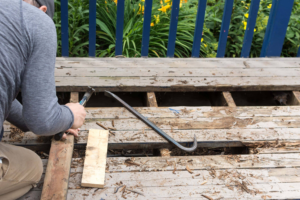
Replacing deck joists costs $150 to $350 per joist. This project may also require pest treatment to prevent future infestations of termites or carpenter ants. Contact Deck Repair Charleston SC now!

Whether you have an old wood deck or a new composite deck, structural damage and deterioration must be addressed promptly. This can be caused by loose or weakened connections, rotted boards, and insect infestation. It’s essential to hire a professional to assess the situation and perform proper repairs, as leaving these problems unchecked could result in serious injuries for you and your guests and even deck collapse.

Stairs are often the first part of a deck to show signs of wear and tear. The stairs themselves may start to loosen or shift, and you might see gaps in the handrails or notice that they’re sagging. The wood may also be splintering or showing signs of general deterioration. In some cases, the stairs might need to be replaced entirely, depending on the severity of the problem.

A deck is a great place to relax and entertain, but it’s important to keep it in good condition for safety reasons. Decks can become unstable if there’s a lot of wear and tear or if certain components like the railings are deteriorating. It’s also a fire hazard to have loose or hanging parts of the structure, so it’s vital to inspect them regularly for any signs of wear and tear.

Another common issue that affects decks is termite infestation. These insects feed on the cellulose in wood, causing severe structural damage over time. If left unchecked, this can cause a deck to be unsafe for people to use and reduce its overall value. This is why it’s important to perform regular inspections and take preventive measures, such as using wood preservatives or removing any form of vegetation from the area around the deck.

Another issue that can affect a deck’s structure is soil erosion. If the footings and support posts of a deck are placed in damp soil, it can lead to rotting and eventually total destruction. This is why it’s important to properly drain the area surrounding your deck and to redirect rainwater away from the deck. It’s also a good idea to use gravel, rocks, and sand at the base of your footings and supports to minimize moisture.

Wood Rot

Wood rot is one of the biggest threats to decks. It weakens the structure and can cause irreparable damage if left untreated. This can lead to structural problems that may not only be unsafe but also unsightly. If the damage to your deck has reached a point where it is no longer structurally sound, you will need to consider replacing it altogether.

Both wet and dry rot can effect the wood in a deck’s foundation, posts, railings, and other parts of your deck. You can check for rot by inspecting your deck with a flashlight and a long-handled screwdriver. If the screwdriver sinks in easily, the wood is rotten. You can also look for a musty smell and darkened or discolored wood.

Wet rot is caused by the most common type of fungus, cellar fungus (Coniophora puteana). The fungus grows best in moist, oxygen-poor wood with temperatures between 4degC and 38degC. The presence of the fungus makes your deck prone to fungal digestion that depletes the wood’s strength.

Dry rot is less common, but it can still be a serious problem for your deck. This fungus attacks the wood by absorbing the moisture, causing it to shrink and eventually become soft. In order to prevent dry rot from spreading, it is important to keep your deck clean of debris and to remove any standing water immediately.

Oftentimes, only the affected boards must be replaced rather than the entire deck. Replacing these boards, especially those that are walked on or are structural, will restore the deck’s safety and strength. Repainting the deck can also improve its appearance and prolong its life.

To determine if your deck is at risk of rot, it’s helpful to hire an ASHI-certified home inspector or qualified deck builder to inspect the deck for safety and determine the extent of the rot. You can also assess the deck’s overall condition using this handout from the North American Deck and Railing Association, which includes a 10-point inspection checklist. If you find that the rot has spread beyond a few boards and is impacting joists and rafters, it’s likely time to replace the deck.

Staining

Staining your deck not only provides a pop of color that can brighten your home’s exterior, but it also protects the wood and extends its lifespan. In fact, staining your deck can save you from costly repairs down the road, preventing rot and decay, as well as UV damage.

Whether you prefer to use a transparent type that allows the natural wood grain to show or a solid color, it’s important to choose a high-quality product and follow proper application methods to keep your deck looking new. It’s also a good idea to stain your deck every 1-2 years, depending on your climate.

Before you apply a new stain:

  1. Make sure the surface is completely clean and dry. If you find any loose paint or finish, use a scraper tool to remove it.
  2. Use a sanding pole and coarse sandpaper to rough up the deck, including railings, balusters and handrails.
  3. Use a dust mask when sanding to prevent breathing in the fine wood shavings.
  4. After you sand, wash the deck again with a mild solution of wood wash and wait for it to fully dry.

You’ll want to stain the deck on a clear day with no rain in the forecast for the next 24 hours to avoid washing your hard work away! Humid weather can cause the stain to flash dry, preventing it from penetrating the wood and cutting down on its longevity. If you’re unsure whether it’s a good day for staining, test the water repellency of the deck by pouring a capful of water on different areas. The water should soak into the wood in less than a minute, and if it beads up, you’ll need to re-sand the area.

Staining your deck is a preventative measure that can save you money down the road. While you may think the cost of a few coats of stain is steep, it’s a fraction of the price of extensive deck repair or even replacement. And with regular cleaning and touch-ups, you can prolong the time between stain jobs, too! So, if your deck is in need of some TLC, don’t delay—contact a professional to get the job done right.

Painting

A deck requires regular painting to protect the wood from damage and rot. This also keeps the surface attractive and preserves its structural integrity for years to come. Paint is available in a wide variety of colors, and can match the aesthetic of the rest of your home or highlight certain features of your landscape. Paint is easy to clean, and it’s effective at keeping dirt and grime off of the wood. However, the paint itself can become damaged over time, and must be replaced periodically.

A good quality paint can last about ten years before needing to be redone. It’s a good idea to examine your deck for signs that the existing paint is beginning to wear, such as cracking or flaking. If you notice any of these signs, it’s important to repaint the deck as soon as possible to prevent further damage and extend its lifespan.

Paint can chip and peel over time, especially if the deck is subject to heavy foot traffic or exposure to high levels of moisture. In addition, it’s a good idea to move outdoor planters, furniture, and other items regularly to avoid trapping moisture that could lead to rot or insect infestation.

The best time to stain a deck is the fall. This is because the weather in Maryland and other parts of the Mid-Atlantic region is typically milder during the day than it is during the summer, and cool enough at night to allow for proper curing.

A professional can help you decide whether or not to stain your deck and assist with the preparation process. This includes sweeping away any dirt or debris, scrubbing the wood with deck-specific cleaner, and smoothing rough patches with sandpaper. Before attempting to apply any stain, it’s also a good idea to repair any rotten boards and ensure that all nails or screws are tight and in place.

Both painting and staining your deck is vital to its protection from the elements, but the type of product you choose depends on your preference for how your deck looks. Painting offers a wider range of color options and is easy to maintain, but it can chip or crack over time, and may require more maintenance than stain. Stain, on the other hand, can enhance the natural beauty of your deck while offering protection from sun damage and rot.

Navigation